
Why AI and Cross-Chain Matter Now
The gaming NFT market in 2026 has shifted from speculative collectibles to utility-driven assets. Two technical pillars define this transition: artificial intelligence that makes assets dynamic, and cross-chain infrastructure that ensures liquidity. Without these drivers, NFTs remain static images trapped on isolated ledgers.
AI-Driven Dynamic Assets
Generative AI allows in-game items to evolve based on player behavior rather than remaining fixed. Instead of buying a sword with static stats, players own assets that adapt strategies, visuals, or capabilities as the game state changes. This creates genuine utility, distinguishing modern gaming NFTs from the "hope for appreciation" model of 2021.
Projects like Azuki are leveraging this by integrating AI elements directly into their brand ecosystem, allowing holders to engage with evolving digital identities. This dynamic nature increases retention, as the asset's value is tied to active gameplay and personalization rather than mere scarcity.
Cross-Chain Liquidity
Cross-chain bridges solve the fragmentation problem that previously trapped liquidity on single networks. By enabling assets to move seamlessly between Ethereum, Solana, and Layer 2s like Arbitrum, developers ensure that players can trade and utilize their NFTs across multiple ecosystems.
This interoperability is critical for scalability. As noted by industry analysts, gaming projects that support multi-chain deployment see higher engagement because they reduce friction for users who may hold assets on different networks. The result is a unified market where liquidity is not siloed, allowing for deeper trading volumes and more robust economies.
5 Gaming NFTs to Watch in 2026: AI-Driven Assets and Cross-Chain Play
As blockchain interoperability matures, the landscape for Gaming NFTs to Watch in 2026 is defined by assets that bridge chains and leverage AI for dynamic gameplay. This roundup identifies five concrete projects where cross-chain utility and intelligent asset generation are driving tangible value for players and investors alike.
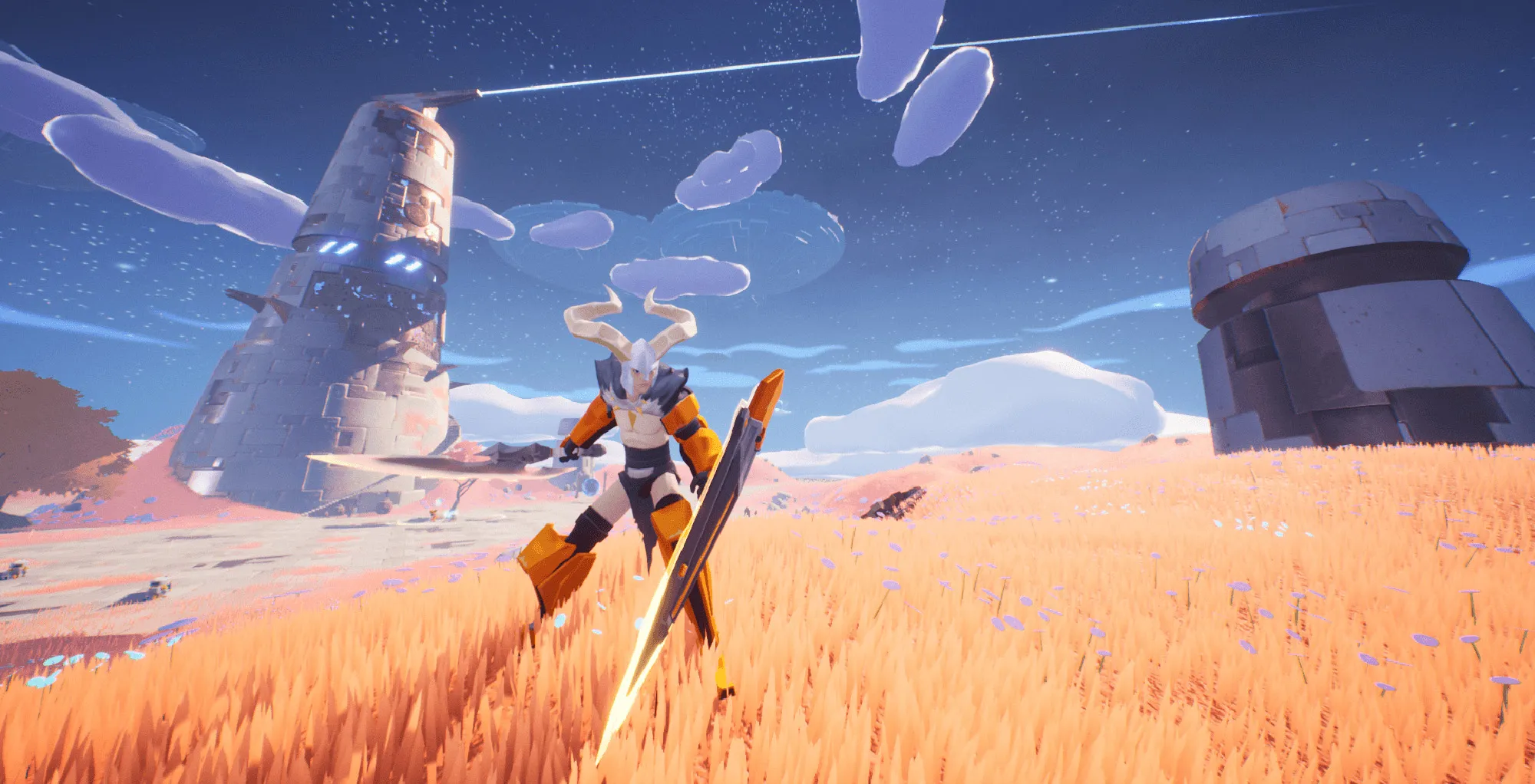
1. Illuvium Open World AI Companions
Illuvium’s AI-driven companions adapt to player behavior, offering dynamic support in its open-world RPG. These NFTs evolve with your strategy, providing unique abilities that enhance combat and exploration. The integration of machine learning ensures each companion feels distinct, making them valuable assets for serious collectors seeking personalized gameplay experiences.
2. Star Atlas Metaverse Cross-Chain Assets
Star Atlas enables seamless asset transfer across multiple blockchains, allowing players to move ships and resources freely. This cross-chain functionality breaks down silos, ensuring your investments retain utility regardless of the network. The visual fidelity and economic interoperability make these digital assets a cornerstone of the emerging metaverse economy.

3. Big Time NFT Weapon Skins
Big Time offers high-fidelity weapon skins that provide visual distinction without altering core gameplay balance. These NFTs allow players to customize their arsenal with unique aesthetics, ranging from futuristic lasers to classic fantasy designs. Owning rare skins signals status within the community while enhancing the immersive feel of intense raids.

4. Parallel TCG AI Decks
Parallel TCG integrates AI-generated deck strategies that evolve based on opponent patterns. These NFT decks represent unique combinations of cards and algorithms, offering a competitive edge in duels. The blend of traditional card mechanics with adaptive AI creates a dynamic trading experience where strategic depth meets technological innovation.
5. The Sandbox LAND AI NPCs
The Sandbox allows creators to populate their LAND with AI-driven non-player characters. These NPCs interact dynamically with visitors, creating living ecosystems within the virtual world. This feature transforms static plots into engaging destinations, offering new opportunities for monetization through interactive experiences and unique digital real estate development.
Gaming NFTs in 2026: Utility Over Hype
The speculative frenzy that defined the early NFT era has cooled, replaced by a focus on functional digital assets. In 2026, gaming NFTs have shifted from overpriced collectibles to tools that provide tangible in-game advantages, cosmetics, or access [src-8]. This transition marks a move from "hope for appreciation" to "utility for play."
The current landscape is defined by two forces: AI integration and cross-chain interoperability. AI-driven assets can adapt to player behavior or generate unique content, making each NFT distinct and useful beyond simple ownership. Meanwhile, cross-chain play allows these assets to move freely between different blockchain ecosystems, breaking down the silos that previously trapped items on single networks.
This shift favors projects that solve real problems for gamers rather than those relying on marketing hype. As noted by industry analysis, the survival of NFTs in gaming depends on their ability to enhance the core gameplay loop [src-6]. Investors and players alike are now looking for concrete utility—items that make games more fun, customizable, or rewarding—rather than abstract promises of future value.
Risks in the 2026 Gaming NFT Market
Gaming NFTs have evolved from speculative art into functional digital assets, but they remain high-risk investments. The market is defined by extreme volatility; prices for items like CryptoPunks or Pudgy Penguins can swing dramatically based on broader crypto trends rather than in-game utility alone.
Regulatory uncertainty adds another layer of complexity. As governments worldwide scrutinize digital asset classifications, projects relying on open-chain interoperability face potential compliance hurdles. Investors must distinguish between genuine utility and hype, recognizing that a strong brand ecosystem does not guarantee financial stability.
Before committing capital, verify that the underlying protocol has clear governance and that the asset’s value is tied to actual gameplay rather than mere scarcity. The line between a collectible and a security is thin, and regulatory shifts can impact liquidity overnight.
Frequently Asked Questions About Gaming NFTs
What is the best NFT to buy in 2026?
The most prominent gaming-adjacent NFTs in 2026 include CryptoPunks, which maintains the highest market cap with a floor price often exceeding $64,000, and Bored Ape Yacht Club, known for its strong brand ecosystem. Other notable assets are Pudgy Penguins, leveraging real-world toy licensing, and Azuki, which combines anime aesthetics with digital utility.
Are gaming NFTs still profitable to play?
Play-to-earn models have shifted from pure speculation to sustainable in-game economies. Titles like The Sandbox and Axie Infinity continue to generate value through active user bases and asset trading, though profits now depend more on skill and early adoption than passive investment.
How do I securely store gaming NFTs?
Use a non-custodial wallet like MetaMask or Phantom to maintain full control over your assets. Always verify contract addresses before interacting with gaming platforms to avoid phishing scams, and consider hardware wallets for high-value items.



As an Amazon Associate, we may earn from qualifying purchases.

No comments yet. Be the first to share your thoughts!