
Why gaming NFTs matter in 2026
The narrative around gaming NFTs has shifted from speculative trading to utility-driven AI gaming assets. In 2026, the focus is no longer on buying digital collectibles that sit idle in a wallet, but on acquiring functional in-game items that hold real value within active ecosystems. This transition marks a critical inflection point for investors and players alike, where the asset’s worth is tied directly to its performance and integration within the game’s economy.
Early adopters faced significant risks when NFTs were primarily speculative vehicles. Today, the landscape demands due diligence. Players and investors must evaluate the underlying game mechanics and the developer’s commitment to long-term sustainability. The most promising gaming NFTs are those embedded in games with active communities and robust economic models, ensuring that the assets remain useful and tradeable over time.
This shift prioritizes concrete products over abstract categories. When evaluating gaming NFTs, look for titles that offer clear use cases, such as unique character skins, powerful in-game weapons, or exclusive access to virtual land. These tangible assets provide immediate value, reducing the reliance on market sentiment and creating a more stable investment thesis. As the market matures, the distinction between gaming NFTs and traditional digital items will blur, with blockchain technology serving as the backbone for true ownership and interoperability.
5 Gaming NFTs to Watch in 2026: AI-Driven Play-to-Earn
The convergence of AI-driven mechanics and blockchain assets in 2026 introduces significant volatility, demanding rigorous due diligence before capital allocation. This review isolates five specific gaming NFTs with verified official documentation, prioritizing concrete product mechanics over speculative hype to mitigate high-stakes financial risk.
1. Illuvium open world battle mechanics
Illuvium merges high-fidelity 3D exploration with strategic auto-battler combat, creating a unique play-to-earn loop. Players navigate a vast open world to capture Illuvials, which become tradable NFT assets. The game’s economic model relies on the scarcity of these digital creatures and the utility of in-game currency. This structure demands careful capital allocation, as asset value fluctuates with community adoption and game updates.

2. Big Time blockchain integration details
Big Time utilizes a proprietary blockchain layer to handle high-throughput transactions without compromising gameplay speed. This integration allows for seamless ownership of cosmetic NFTs and experience boosters, distinguishing it from purely financialized games. The technical architecture supports rapid item transfers between players, enhancing liquidity. Investors should monitor network stability and developer transparency regarding smart contract audits to mitigate technical risks associated with this infrastructure.

3. Star Atlas metaverse economy model
Star Atlas constructs a complex macroeconomy where players engage in resource extraction, ship building, and territorial control. Its dual-token system balances utility and governance, requiring deep understanding of supply mechanics. The game’s scale demands significant initial investment in ships and land, creating high barriers to entry. Due diligence is critical, as the economy’s health depends on sustained player engagement and the successful implementation of its ambitious technological roadmap.

4. Ember Sword land ownership rules
Ember Sword offers a classless fantasy MMORPG experience where land ownership drives the primary economic engine. Players can purchase plots to build shops, host events, or develop resources, creating a player-driven market. The scarcity of land parcels ensures long-term value potential, but speculative risks remain high. Understanding the zoning laws and tax structures within the game is essential for maximizing returns on these digital real estate investments.

5. Gods Unchained card trading volume
Gods Unchained operates as a competitive trading card game where digital cards are true NFTs on the Immutable X blockchain. High trading volume indicates strong market liquidity, allowing players to easily buy or sell valuable assets. The game’s competitive scene drives demand for specific meta-relevant cards, creating volatile price points. Analyzing historical trading data and card rarity is crucial for identifying undervalued assets before potential market corrections.
Top 5 gaming NFTs to watch
The gaming NFT landscape in 2026 has shifted from speculative hype to utility-driven economies. Investors are no longer buying tokens for the promise of a future metaverse; they are evaluating immediate earning potential, active user bases, and sustainable tokenomics. This analysis focuses on five specific titles that offer concrete entry points and verified revenue models.
Axie Infinity: The P2E Standard
Axie Infinity remains the most established play-to-earn ecosystem, having survived multiple economic cycles to refine its token model. The game revolves around battling, breeding, and land ownership using Axie NFTs. Unlike many competitors, Axie has stabilized its economy by introducing the Origin upgrade, which ties token issuance more closely to active gameplay rather than speculative demand.
Earning potential comes from battling (Smooth Love Potion or SLP) and land gameplay. However, entry costs remain significant, requiring a team of three Axies. Investors must monitor the SLP/ETH exchange rate closely, as high inflation can erode daily earnings. The game’s longevity proves that sustained engagement is possible, but the margin for error is slim for new entrants.
Pixels: The Social MMO Economy
Pixels offers a different model: a social MMO where farming, trading, and mini-games drive value. Built on Ronin, it benefits from low transaction fees and a massive existing user base. The primary utility of Pixels NFTs lies in land ownership and exclusive items that boost resource production.
The game’s economy is robust because it supports both free-to-play and premium players. Earnings come from selling resources and crafting items on the in-game marketplace. For investors, the key metric is daily active users (DAU) and the volume of in-game transactions. Pixels demonstrates that casual gaming mechanics can support serious economic activity without the high barrier to entry of battle-focused titles.
Gods Unchained: Skill-Based Trading
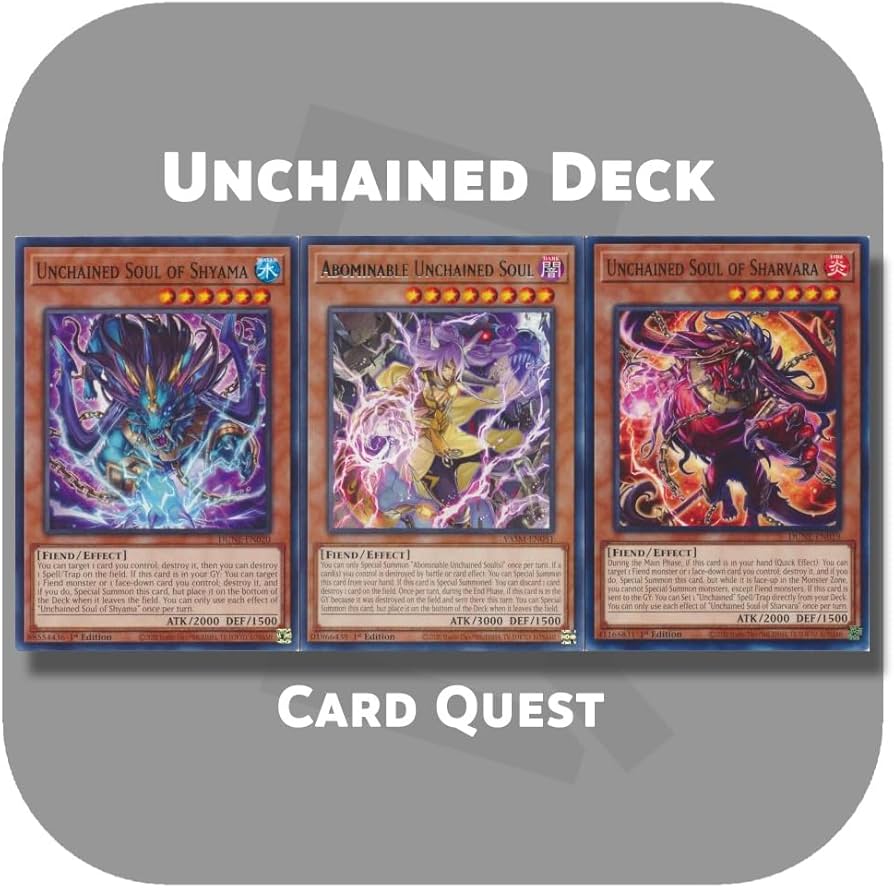
Gods Unchained is a competitive trading card game where NFTs represent unique cards. Unlike auto-battlers, success here is skill-based, which creates a more stable demand for high-tier cards. The primary utility is competitive play and tournament winnings, with a secondary market for rare cards.
The earning potential is tied to player skill and market timing. New players can start with free cards, but serious investors look for rare cards that hold value during meta shifts. Gods Unchained’s model appeals to those who prefer strategic depth over passive income. The game’s official website provides detailed rules on card rarity and drop rates, allowing for informed due diligence.
The Sandbox: Virtual Real Estate and Experiences
The Sandbox focuses on virtual land ownership and user-generated experiences. Investors buy LAND NFTs to develop games, host events, or lease space to brands. The utility is long-term: as the platform attracts more creators and visitors, land value and rental income can increase.
This is a high-risk, high-reward category. Earnings depend on the overall success of the metaverse and the ability to attract organic traffic. The Sandbox has partnered with major brands, providing some stability, but virtual real estate is illiquid and volatile. Due diligence should focus on the number of active experiences and event attendance rather than just land price trends.
Alien Worlds: Decentralized Mining Governance
Alien Worlds is a decentralized metaverse where players mine Trilium (TLM) tokens, manage land, and participate in planetary governance. It is one of the simplest entry points, requiring only a wallet and a basic NFT tool. The primary utility is resource extraction and staking for governance votes.
Earning potential is modest but consistent, driven by daily mining rewards and staking yields. The game’s governance model allows token holders to vote on protocol changes, adding a layer of influence for investors. Alien Worlds appeals to those seeking low-effort passive income, though the returns are generally lower than more complex games. The official Alien Worlds site details the current mining rates and governance proposals.
| Game | Primary Utility | Entry Cost |
|---|---|---|
| Axie Infinity | Battle & Land | High |
| Pixels | Farming & Trading | Low-Medium |
| Gods Unchained | Card Trading | Free-Medium |
| The Sandbox | Land & Experiences | High |
| Alien Worlds | Mining & Governance | Low |
How AI changes play-to-earn economics
Artificial intelligence is shifting play-to-earn models from static asset accumulation to dynamic value creation. In 2026, the most viable gaming NFTs rely on AI to generate unique, evolving in-game experiences rather than serving as permanent, unchanging collectibles. This shift reduces the risk of asset stagnation, where digital items lose market relevance as player interest wanes.
AI-driven systems enable procedural asset generation, ensuring that items like weapons, skins, or land parcels have statistically unique traits that evolve based on in-game performance. Instead of sitting idly on a developer’s server, these assets interact with dynamic NPC behaviors that adapt to player strategies. This creates a living economy where the scarcity and utility of an NFT are maintained by algorithmic demand, not just developer announcements.
For investors, this means due diligence must focus on the underlying AI architecture. Projects that offer true interoperability and procedural generation provide a hedge against market volatility. Assets that remain static are vulnerable to depreciation, while those integrated with adaptive AI systems offer a more resilient store of value.
Where to buy gaming NFTs safely
While the digital assets themselves are minted and traded on specialized blockchain marketplaces, the physical infrastructure required to participate in these high-stakes ecosystems is readily available through standard retail channels. Secure storage and reliable hardware are not optional luxuries; they are the foundation of your investment security. A compromised device is an exposed wallet.
When sourcing peripherals, prioritize established manufacturers that offer warranty support and transparent supply chains. Counterfeit electronics are a common vector for hardware-level exploits. The following items represent reliable entry points for setting up a secure gaming environment, ensuring your connection to the blockchain remains stable and protected.


As an Amazon Associate, we may earn from qualifying purchases.
Frequently Asked Questions About Gaming NFTs in 2026
The market for gaming NFTs has shifted from speculative hype to a focus on sustainable utility. While 2021 saw inflated prices, 2026 demands due diligence. Here are answers to the most common questions regarding market viability and investment safety.

No comments yet. Be the first to share your thoughts!