
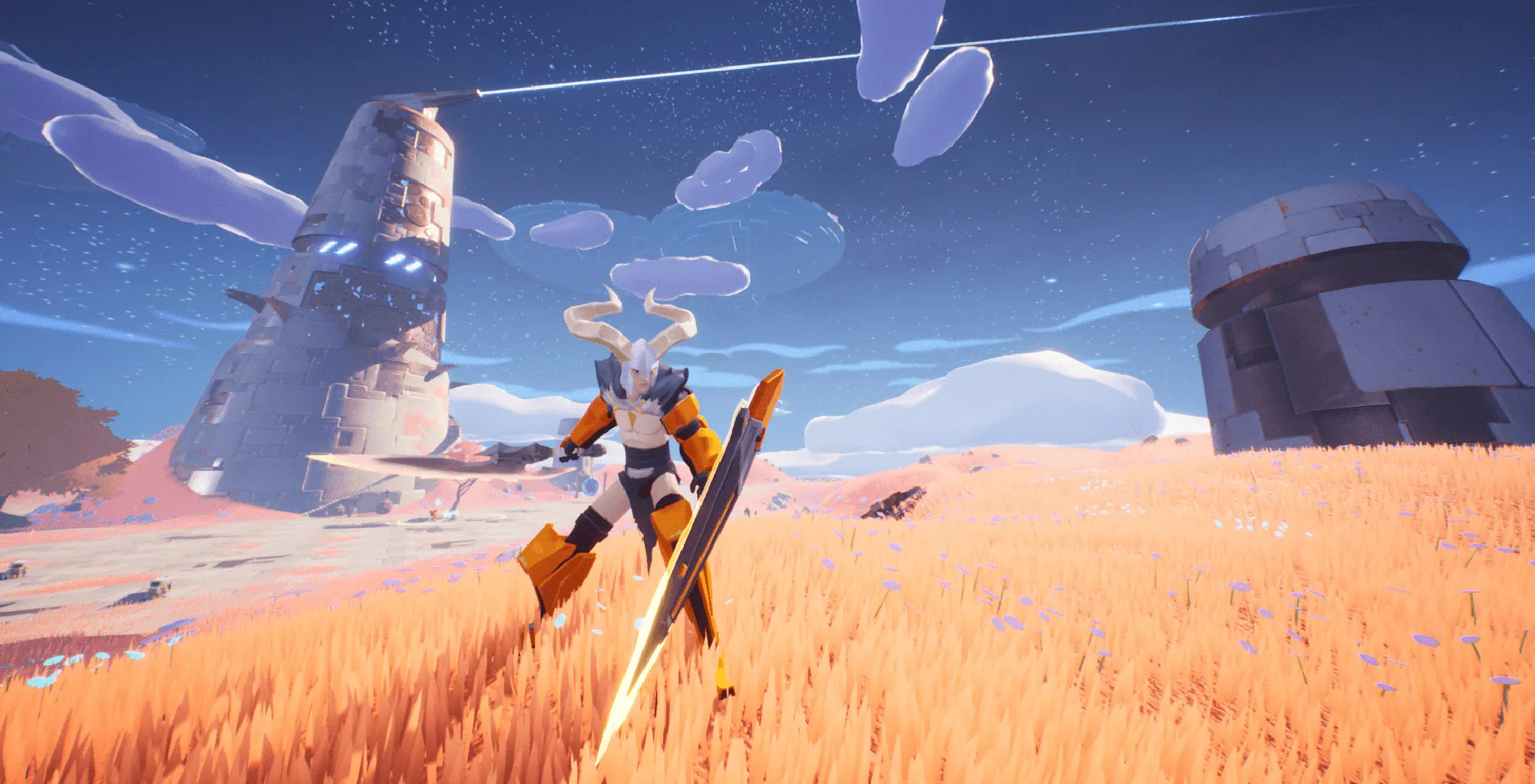
The shifting landscape of gaming NFTs
The gaming NFT market in 2026 has moved past the speculative hype of previous years. Instead of relying on overpriced profile pictures with no real use, the industry has shifted toward functional digital assets. This structural reset focuses on sustainable play-to-earn models where tokens and items serve a clear purpose within the game economy.
This transition means that successful projects now prioritize gameplay mechanics and long-term engagement. Players are less interested in quick flips and more interested in assets that enhance their gaming experience. The market has matured, filtering out projects that lack tangible value or active communities.
5 Gaming NFTs to Watch in 2026: Play-to-Earn Trends
The 2026 play-to-earn landscape prioritizes functional utility and tangible in-game assets over speculative value. This selection highlights specific gaming NFTs, including assets from Decentraland and Axie Infinity, that demonstrate sustained engagement and clear economic integration within their respective ecosystems.
-
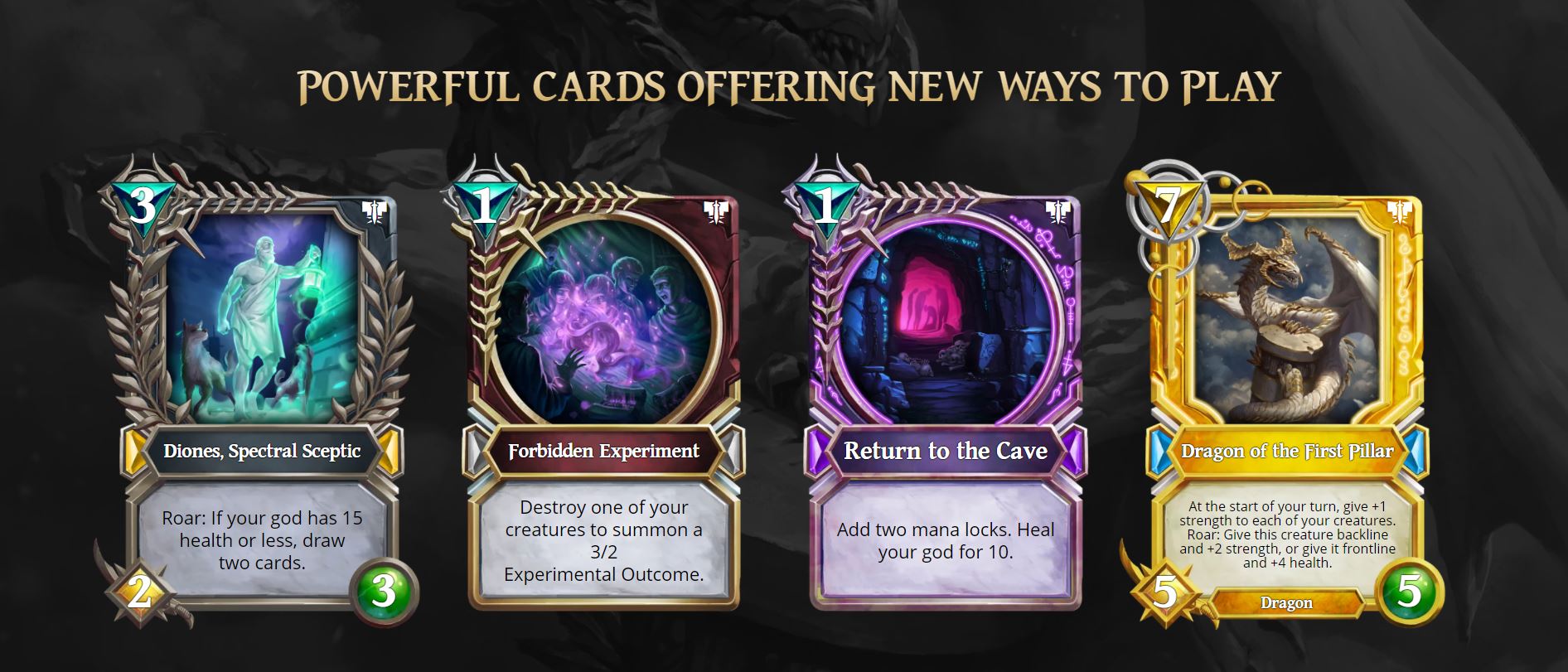
Gods Unchained digital trading card utility
Gods Unchained transforms traditional digital card collecting into verifiable asset ownership. Players earn cards through competitive play, which can then be traded on open markets. This model allows users to retain true value for rare acquisitions, shifting the paradigm from rented digital items to permanent, tradable collectibles with tangible utility beyond the game lobby. -
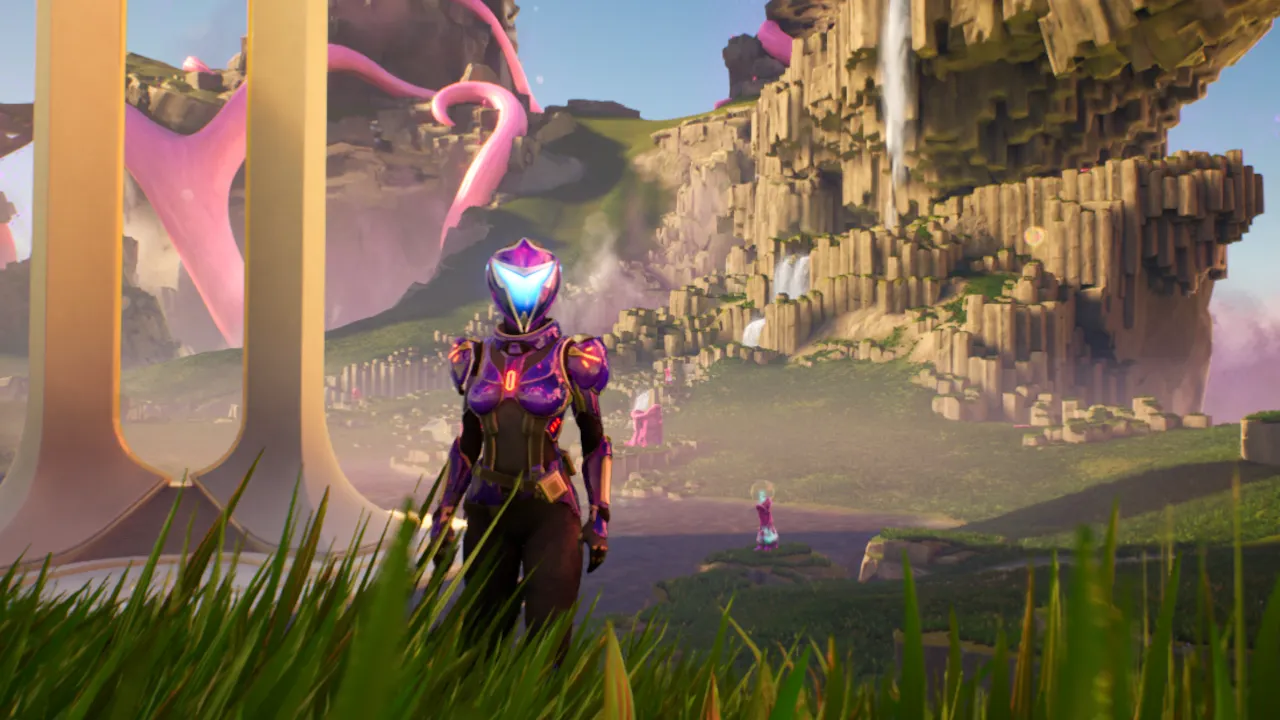
Illuvium open-world RPG asset ownership
Illuvium merges expansive open-world exploration with creature collection mechanics. Every captured creature, known as an Illuvial, exists as a unique NFT with distinct stats and visual traits. This ownership model grants players genuine control over their in-game assets, enabling strategic breeding, trading, or usage across the broader ecosystem without platform restrictions. -
The Sandbox virtual land development tools
The Sandbox provides robust voxel-based tools for creating interactive experiences on virtual land plots. Landowners can design games, host events, or build commercial spaces using accessible creation suites. This emphasis on user-generated content turns static digital real estate into dynamic revenue-generating hubs, fostering a decentralized economy driven by creative community participation. -
Axie Infinity play-to-earn breeding mechanics
Axie Infinity’s core utility centers on its breeding system, where digital pets combine genetic traits to produce new NFTs. This mechanic creates a dynamic market for rare bloodlines and strategic team compositions. Players engage in tactical battles to earn rewards, directly linking gameplay skill and asset management to tangible economic outcomes within the ecosystem. -

Big Time multiplayer action game items
Big Time integrates traditional multiplayer action gameplay with blockchain-based item ownership. Players acquire weapons, cosmetics, and resources as NFTs that retain value outside specific matches. This approach allows for a robust secondary market where cosmetic and functional gear can be traded, offering players genuine property rights over their digital inventory and progress.
How play-to-earn models changed in 2026
Use this section to make the 5 Gaming NFTs to Watch decision easier to compare in real life, not just on paper. Start with the reader's actual constraint, then separate must-have requirements from details that are merely nice to have. A practical choice should survive normal use, maintenance, timing, and budget. If a recommendation only works in an ideal situation, call that out plainly and give the reader a fallback path.
The simplest way to use this section is to write down the must-have criteria first, then compare each option against those criteria before weighing nice-to-have features.
Where to buy gaming NFTs safely
Purchasing gaming NFTs requires a clear separation between general collectibles and in-game assets. Most legitimate gaming tokens are not sold on art-focused platforms like OpenSea or Blur. Instead, they are distributed through specialized marketplaces or direct game portals. This distinction prevents accidental purchases of unrelated assets and ensures you are buying items with actual utility inside a specific game ecosystem.
For secondary trading of established gaming tokens, platforms like ChainPlay and Eneba offer curated marketplaces. These sites focus on blockchain-based games rather than profile picture collections. Using a dedicated aggregator helps you verify the contract address of the NFT before purchasing. This step reduces the risk of buying counterfeit items or interacting with malicious smart contracts.
When buying directly from a game, always use the official website or in-game store. Third-party resellers often charge significant markups and may violate the game's terms of service. Official channels provide the safest route for acquiring starter kits or land parcels. Always double-check the URL to avoid phishing sites that mimic legitimate platforms.



As an Amazon Associate, we may earn from qualifying purchases.
Common questions about gaming NFTs
The NFT market has shifted from speculative hype to functional utility, particularly within gaming ecosystems. Below are answers to the most frequent questions about buying, viability, and market trends in 2026.

No comments yet. Be the first to share your thoughts!