
What Are AI-Generated Gaming NFTs?
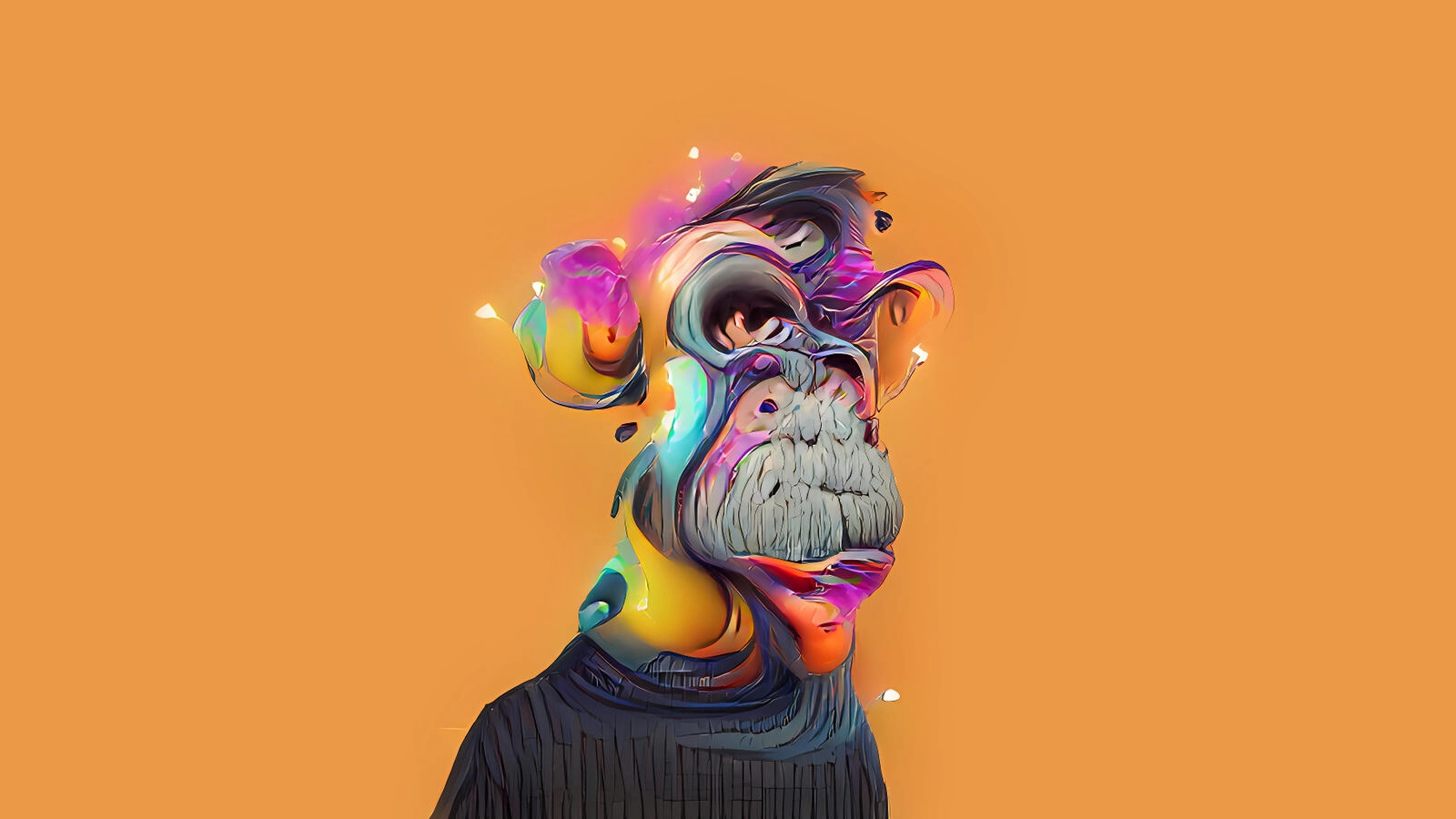
AI-generated gaming NFTs are digital assets created through artificial intelligence models rather than manual design. These assets, often called "dynamic assets," change based on gameplay, player choices, or external data. Unlike static collectibles, they evolve, offering a new layer of value in play-to-earn models. This technology allows for infinite variety, meaning no two in-game items are exactly alike.
The rise of AI in this space addresses a major bottleneck in Web3 gaming: content creation. Traditionally, developers had to manually design every sword, skin, or character. Now, AI can generate thousands of unique variations instantly. This scalability enables games to offer massive, ever-changing inventories without ballooning production costs. Players get fresher content, and developers get a more engaging economy.
However, this shift brings new constraints. The primary challenge is ensuring that AI-generated assets are truly unique and not just recycled variations. Quality control becomes critical. If an AI produces low-effort or repetitive assets, the perceived value of the NFT drops. Developers must balance automation with curation to maintain a premium feel. This is where the "dynamic" aspect becomes key—assets that improve or change based on actual gameplay help justify their existence.
Another constraint is intellectual property and ownership. When an AI generates an asset, who owns it? The player? The developer? The AI platform? Current legal frameworks are still catching up. Most games currently treat these assets as licensed items rather than fully owned property, which affects how players can trade or sell them. Understanding these nuances is essential for anyone looking to invest time or money in AI-driven gaming ecosystems.
Ai generated gaming nfts choices that change the plan
| Factor | Pro | Con |
|---|---|---|
| Asset Rarity | AI can algorithmically generate infinite unique variations, ensuring no two items are identical. | Infinite supply can dilute scarcity, making it harder for any single NFT to hold significant resale value. |
| Development Cost | Automated generation slashes the need for large teams of human artists, lowering barrier to entry for indie devs. | Lower barriers mean the market is flooded with low-effort projects, increasing the risk of rug pulls or abandoned games. |
| Player Engagement | Dynamic assets can evolve based on gameplay, keeping the economy fresh and rewarding active participation. | Players may feel disconnected if assets lack human curation or artistic intent, reducing emotional investment. |
| Market Liquidity | Lower price points for AI assets often lead to higher transaction volumes and easier entry for new players. | High volume of low-value transactions can lead to market saturation, making it difficult to find consistent buyers. |
Key Tradeoff Categories
-
Scarcity vs. Accessibility
AI allows for mass customization, making gaming NFTs accessible to everyone, but this comes at the cost of traditional rarity models. -
Cost Efficiency vs. Quality Control
Developers save money on art production, but without human oversight, the aesthetic quality of assets can vary wildly. -
Dynamic Utility vs. Static Value
AI-driven assets can change or upgrade, offering utility, but this complexity can confuse investors looking for simple store-of-value assets.
How to evaluate AI gaming NFTs
AI-generated assets shift the value proposition from static collectibles to dynamic tools. When assessing play-to-earn models, focus on how these assets integrate into gameplay loops rather than their speculative price history. A robust framework helps you separate genuine utility from hype.

Verify the contract address and token standards. AI assets require smart contracts that support metadata updates. If the asset cannot change based on gameplay, it is not truly dynamic and may lack long-term value.
Look for tools like Scenario APIs that empower players as creators. Projects that allow user input into the AI generation process tend to have higher engagement. Purely automated assets often feel disconnected from the player.
Check the inflation rate of AI-generated items. If the game allows unlimited minting of low-quality assets, the market will saturate. Successful models limit supply or require significant effort to generate high-tier loot.
Play the demo or watch gameplay footage. The AI should enhance the game, not replace it. If the asset requires complex external tools to view or use, the barrier to entry is too high for mainstream adoption.
KeyTakeaways items=["Verify smart contract capabilities for dynamic updates.","Prioritize projects that let players influence AI generation.","Watch for inflation in unlimited AI minting systems.","Ensure the asset enhances gameplay rather than complicating it."]
Watch out for weak options in AI gaming NFTs
The hype around AI-generated gaming NFTs often masks several weak options that can drain your wallet or time. Before committing to any play-to-earn model, you need to look past the flashy marketing and check the actual mechanics. Here are the common traps to avoid.
1. The "100% AI-Generated" Claim
Many projects claim their assets are fully AI-generated, but this is often a red flag. As seen with recent Kickstarter campaigns like the AI-riddled card game that raised $1.5 million, the reality is usually more nuanced. Most successful projects use AI as a tool in a hybrid workflow, not as the sole creator. If a project insists on "nothing presented is solely generated by AI," it’s a sign they are managing expectations about originality and copyright. Be wary of projects that overpromise on pure automation, as this often leads to generic, low-value assets.
2. Misleading Play-to-Earn Economics
Can you really earn money playing NFT games? The answer is rarely a simple yes. Many models rely on inflationary tokenomics where the value of earned assets drops faster than you can sell them. Look for games with sustainable sinks and real utility, not just speculative minting. If the primary way to "earn" is by recruiting new players, it’s likely a pyramid scheme disguised as a game. True play-to-earn models reward skill and time, not just capital injection.
3. Ignoring Interoperability
A major mistake is buying NFTs that only work in one specific game. AI-generated loot, like those minted via Sequence APIs, can be unique, but if they can’t be used across different platforms, their long-term value is limited. Check if the assets are built on open standards. Without interoperability, your "unique" digital item is just a locked file in a walled garden. Always verify the blockchain standards and any cross-game compatibility before buying.
4. Overpaying for Generative Art
Just because an NFT is AI-generated doesn’t mean it’s valuable. The market for AI art has cooled significantly since the 2021-2022 boom. Unless the asset has proven utility in a game or a strong community backing, you’re likely overpaying. Remember that even high-profile sales, like NFTs selling for over $500,000, are rare outliers driven by celebrity status or historical significance, not just the use of AI.
The key is to stay critical. Don’t let the novelty of AI blind you to the fundamentals of value and utility in the NFT space.

No comments yet. Be the first to share your thoughts!