
Gaming NFTs 2026
The market for gaming NFTs in 2026 has shifted from speculative hype to utility-driven ecosystems. We selected these five titles based on active player counts, sustainable tokenomics, and the tangible value of in-game assets. Rather than chasing short-term price spikes, this list focuses on games where NFTs function as permanent, tradeable property within a living world.
Selection Criteria
We evaluated each project against three core metrics: daily active users (DAU) to ensure liquidity, blockchain integration depth (Ethereum, Polygon, or Layer-2 solutions), and the realism of the play-to-earn model. Games were excluded if they relied solely on inflationary token emissions or lacked a clear secondary market for assets. The goal is to identify titles where your time investment translates to actual digital ownership.
5 Gaming NFTs to Watch in 2026: Play-to-Earn Trends and Market Analysis
The 2026 gaming landscape has shifted from speculative hype to sustainable play-to-earn mechanics, where utility dictates value. We evaluated five distinct NFT titles based on active user metrics, tokenomics stability, and real-world asset integration to identify the most viable opportunities for players and investors.
1. Axie Infinity: Tokenomics and Land Utility
Axie Infinity remains a cornerstone of play-to-earn, evolving beyond simple creature battling into a robust land economy. Its shifting tokenomics reward long-term holders with staking yields and land development rights. Players can build structures, host events, and generate passive SLP income, making it a strategic investment for those interested in virtual real estate rather than just active grinding.

2. Illuvium: AAA Graphics and Open World
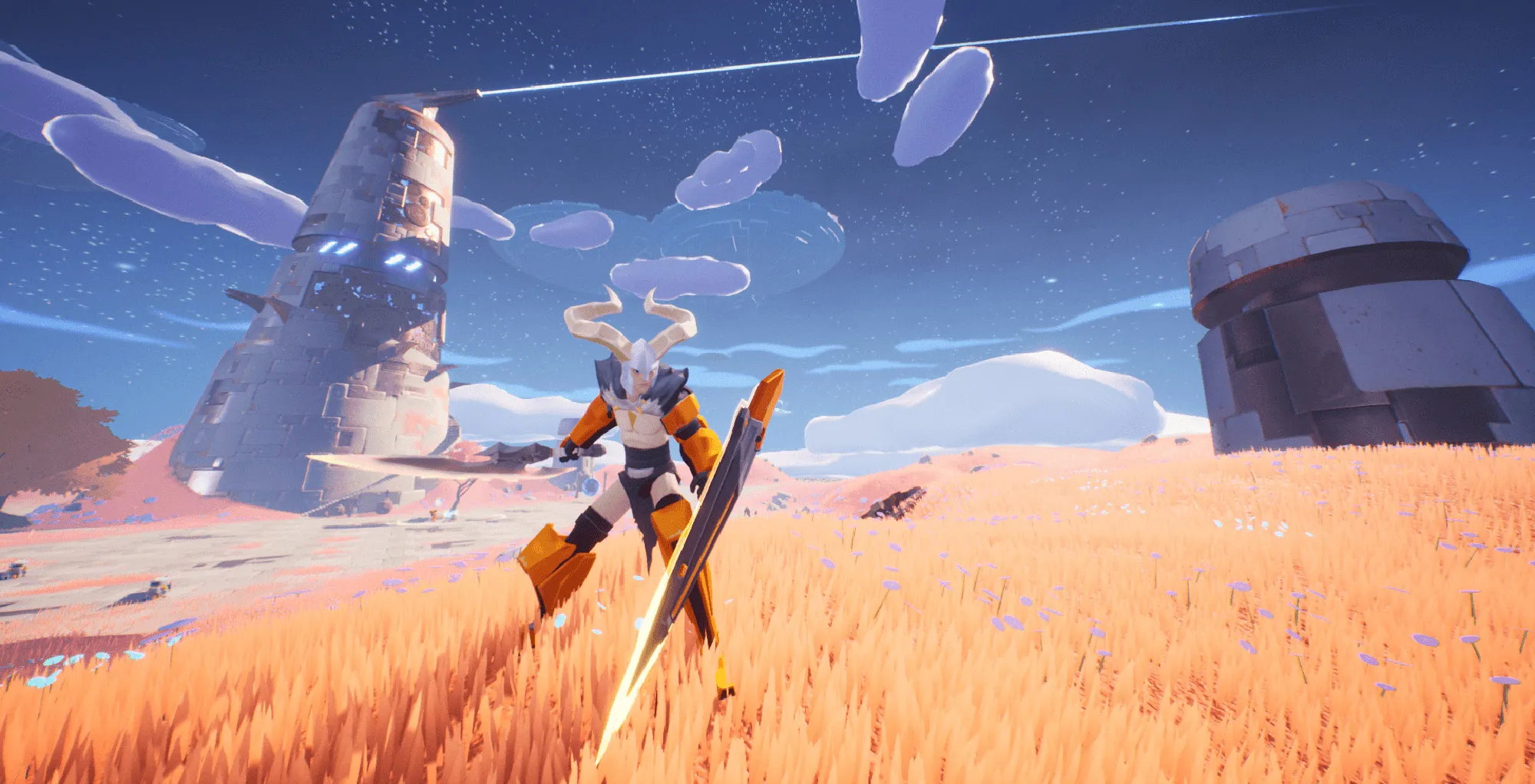
Illuvium bridges the gap between traditional AAA gaming and blockchain technology, offering stunning Unreal Engine 5 visuals. Its open-world RPG structure allows players to explore diverse biomes, capture creatures called Illuvials, and engage in strategic auto-battler combat. The high production value attracts mainstream gamers, while the NFT marketplace ensures true ownership of rare digital assets and skins.
3. Gods Unchained: Competitive Card Mechanics
Gods Unchained delivers a polished, Hearthstone-like experience where every card is a tradable NFT on the Immutable X blockchain. Its competitive ranked ladder ensures skill-based progression, while the free-to-play model lowers entry barriers. Players earn cards through gameplay, which can be sold on the marketplace, turning strategic deck-building skills into tangible cryptocurrency earnings without upfront investment.

4. Big Time: Co-op Action and NFT Drops
Big Time offers a fast-paced, multiplayer action RPG experience reminiscent of Diablo, but with a blockchain twist. Players team up to defeat bosses and collect unique NFT items that have real-world value. The game’s drop system rewards active participation with rare cosmetics and gear, creating a dynamic economy where player effort directly translates to collectible assets within the metaverse.

5. Star Atlas: Space Strategy and Metaverse
Star Atlas presents a massive, persistent space strategy metaverse with breathtaking graphics and deep economic simulations. Players command ships, engage in territorial warfare, and trade resources across a player-driven economy. Its integration with Solana ensures fast transactions, while the governance tokens allow players to vote on the universe’s development, making it a true digital frontier for strategists and investors alike.

How to Pick the Right Gaming NFT
Choosing a gaming NFT in 2026 means shifting focus from pure speculation to utility and active engagement. The market has matured, rewarding assets that integrate seamlessly into playable ecosystems rather than those that sit idle in a wallet. Use this framework to filter the noise and find items that fit your goals.
Before buying any token, check the game's player count and update frequency. An NFT is only as valuable as the ecosystem it supports. Look for titles with consistent developer roadmaps and active Discord communities. If the game feels abandoned, the NFT has no utility.
Understand how the in-game economy works. Does the NFT generate passive income, or does it require active play to earn rewards? Review the burn mechanisms and inflation rates. Sustainable games balance supply and demand to prevent asset devaluation over time.
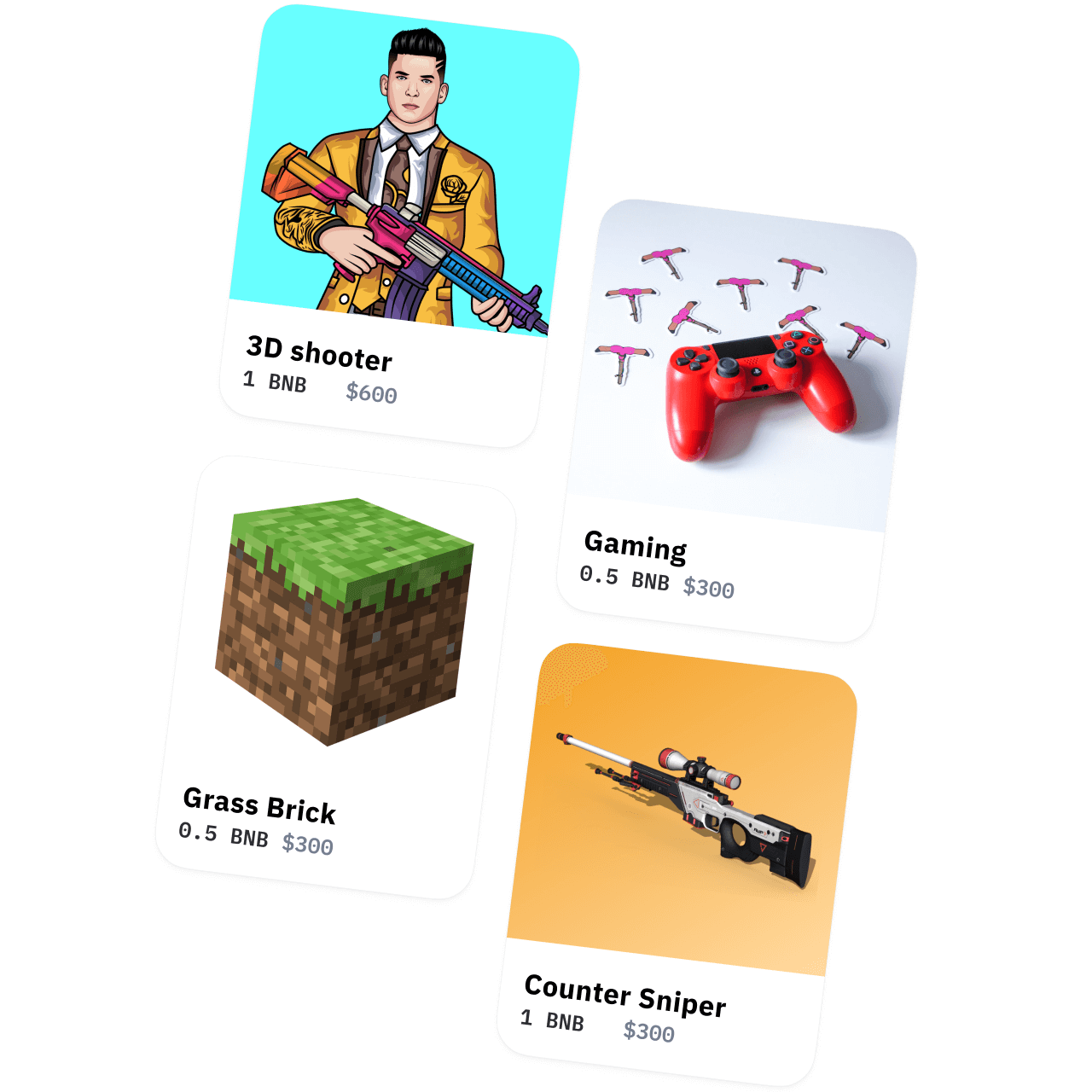
High floor prices mean little if you cannot sell. Check recent trading volumes on marketplaces like OpenSea or in-game marketplaces. Prioritize NFTs from games with high daily active users, ensuring there is always a buyer pool when you want to exit.
Flexibility matters. NFTs that can move across multiple chains or be used in interoperable metaverse spaces offer more long-term value. Check if the asset is locked to a single platform or if it has broader utility in the Web3 gaming landscape.
Join the project's Discord or Telegram. Are developers responsive to feedback? Is there a clear governance structure? Strong community backing often correlates with project longevity. Avoid projects with vague roadmaps or silent teams.
| Criteria | High Priority | Low Priority |
|---|---|---|
| Game Activity | Daily active users > 10k | Stagnant player base |
| Token Utility | Used in gameplay mechanics | Speculative only |
| Liquidity | High 24h trading volume | Low volume, high spread |
| Team Transparency | Public roadmap, regular updates | Anonymous team, vague plans |


As an Amazon Associate, we may earn from qualifying purchases.

No comments yet. Be the first to share your thoughts!