
Gaming NFTs 2026: How We Selected the Top 10
The landscape for gaming NFTs in 2026 has evolved from speculative hype to functional utility. We evaluated assets based on active player counts, sustainable tokenomics, and actual in-game utility rather than mere rarity. This approach filters out ghost towns and highlights projects where digital ownership drives real gameplay value.
Our selection process focused on three core metrics: proven market liquidity, developer activity, and cross-platform interoperability. We prioritized play-to-earn models that reward skill and engagement over pure financial speculation. This ensures the top 10 list includes assets with staying power, not just short-term volatility.
The following ten gaming NFTs represent the most robust opportunities in the current market. Each entry balances technical innovation with community adoption, providing a practical guide for investors looking to understand the 2026 metaverse economy.
10 Gaming NFTs to Watch in 2026: Metaverse Assets & Play-to-Earn Trends
The 2026 gaming NFT landscape prioritizes seamless interoperability and tangible play-to-earn mechanics. This list highlights ten specific metaverse assets that balance technical viability with active user bases, helping you identify which tokens hold actual market value rather than just narrative appeal.
1. Axie Infinity: The Pioneer Play-to-Earn Model
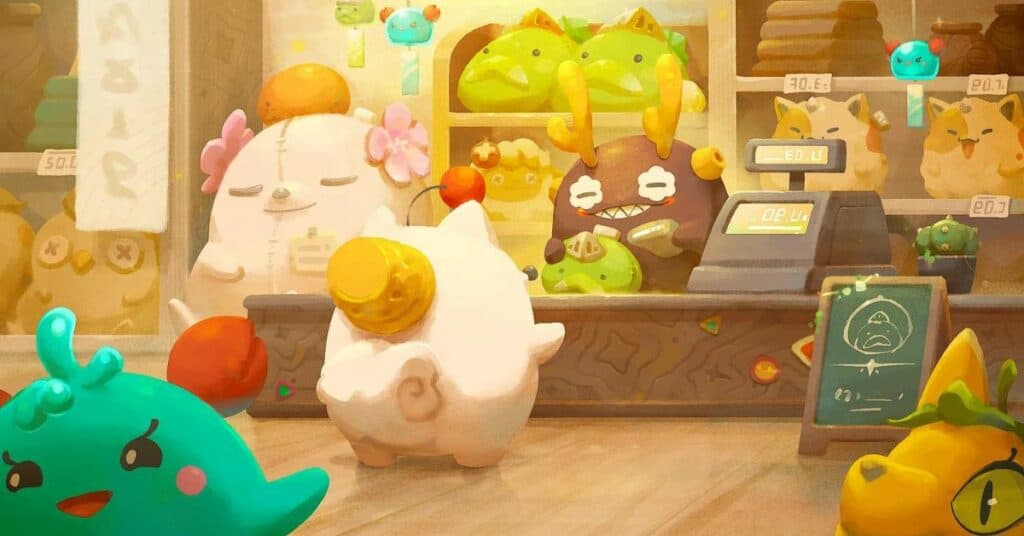
Axie Infinity remains the foundational reference for play-to-earn mechanics, proving that blockchain integration can drive sustainable player economies. Its battle system rewards strategic team composition rather than pure luck, offering a clear entry point for newcomers. The ecosystem’s longevity demonstrates how early-mover advantages persist in the metaverse landscape.
2. The Sandbox: Virtual Land Ownership Assets
The Sandbox redefines digital real estate by allowing users to purchase, develop, and monetize virtual plots within a creator-driven metaverse. Landowners can host experiences, sell assets, or lease space to brands seeking immersive advertising. This model shifts NFTs from static collectibles to functional economic infrastructure.
3. Decentraland: Wearable Fashion NFTs
Decentraland has carved a niche in digital fashion, where wearable NFTs serve as identity markers within virtual social spaces. Brands like Gucci and Nike have launched exclusive collections, validating digital apparel as a status symbol. These items offer interoperable style options for avatars across compatible platforms.

4. Gods Unchained: Competitive Trading Card NFTs
Gods Unchained brings traditional card game strategy to the blockchain, ensuring every card is a verifiable, tradable asset. Players earn cards through ranked play, creating a skill-based economy rather than pay-to-win mechanics. The competitive scene fosters a dedicated community focused on deck building and tournament play.
5. Illuvium: High-Fidelity RPG Character NFTs
Illuvium pushes the visual boundaries of gaming NFTs with AAA-quality graphics and deep RPG mechanics. Each Illuvial creature is a unique, tradable asset with distinct stats and abilities, integrating seamlessly into an open-world exploration experience. The high production value attracts gamers seeking immersive narratives alongside blockchain ownership.

6. Star Atlas: Space Exploration Ship NFTs
Star Atlas transforms deep-space strategy into tangible digital ownership. Players pilot unique starships that serve as both gameplay tools and investment assets. These NFTs feature distinct hull classes and weapon systems, allowing for specialized fleet compositions. The game’s Unreal Engine 5 graphics render these vessels with stunning realism, making them desirable collectibles beyond their utility in interstellar combat and resource transport missions.
7. Splinterlands: Blockchain Collectible Card NFTs
Splinterlands offers a fast-paced tactical card battle system where every card is a verifiable NFT. Players build decks using monsters with unique attributes and abilities, trading them freely on secondary markets. The game’s low barrier to entry allows newcomers to start earning while learning mechanics. Each card’s rarity and level directly impact gameplay performance, creating a dynamic economy driven by strategic deck-building and competitive tournament play.
8. Gala Games: Multi-Game Ecosystem Assets
Gala Games operates a diverse ecosystem where NFTs function across multiple titles rather than being confined to one game. This cross-game utility allows players to leverage assets in various genres, from racing to strategy. The platform’s Node program incentivizes participation, while NFTs represent unique in-game items that retain value across the broader Gala network. This interconnected approach reduces risk for investors by diversifying exposure across several popular gaming experiences simultaneously.
9. Alien Worlds: Mining Tool NFTs
In Alien Worlds, NFTs represent essential mining tools used to extract Trilium (TLM) tokens from planetary surfaces. These tools determine mining efficiency and speed, making them critical for profitability in this decentralized autonomous organization. Players can stake their tools to earn additional rewards or lend them to others for a fee. The simplicity of the mining mechanic allows for easy entry, while tool upgrades provide long-term engagement and strategic depth for dedicated miners.

10. Big Time: Exclusive Cosmetic Skin NFTs
Big Time focuses on high-action multiplayer dungeon crawling, where cosmetic NFTs enhance character appearance without affecting gameplay balance. These exclusive skins offer visual flair and status signaling within the community. Unlike pay-to-win models, Big Time ensures fairness by keeping cosmetic purchases purely aesthetic. Players can trade these skins on marketplaces, creating a vibrant economy for rare drops and limited-edition outfits that reflect personal style and achievement milestones.

Pick the right fit
Choosing between gaming NFTs, metaverse assets, and play-to-earn tokens requires matching the asset to your actual goals. Treat this decision like buying a vehicle: an SUV works for hauling gear, while a sports car is built for speed. NFTs are no different. Some assets are liquid tools you trade frequently; others are digital land you hold long-term for passive income.
Start by defining your primary objective. Are you looking for immediate utility in a specific game, or are you investing in broader metaverse real estate? The distinction matters because the risks and liquidity profiles differ significantly. Gaming tokens often fluctuate with game updates and player counts, whereas metaverse land values depend on ecosystem adoption and traffic.
Next, verify the underlying blockchain and game studio. Established studios with active development teams reduce the risk of abandoned projects. Check if the NFTs are interoperable or locked to a single title. Interoperable assets offer more flexibility, but single-title assets often have deeper, more dedicated communities.
Decide if you want short-term trading profits or long-term ecosystem exposure. Trading requires high liquidity and volatility. Holding requires belief in the game’s long-term viability and community growth.
Research the development team’s track record and the blockchain’s security. Established studios on secure chains like Ethereum or Polygon are generally safer bets than new projects on obscure networks.
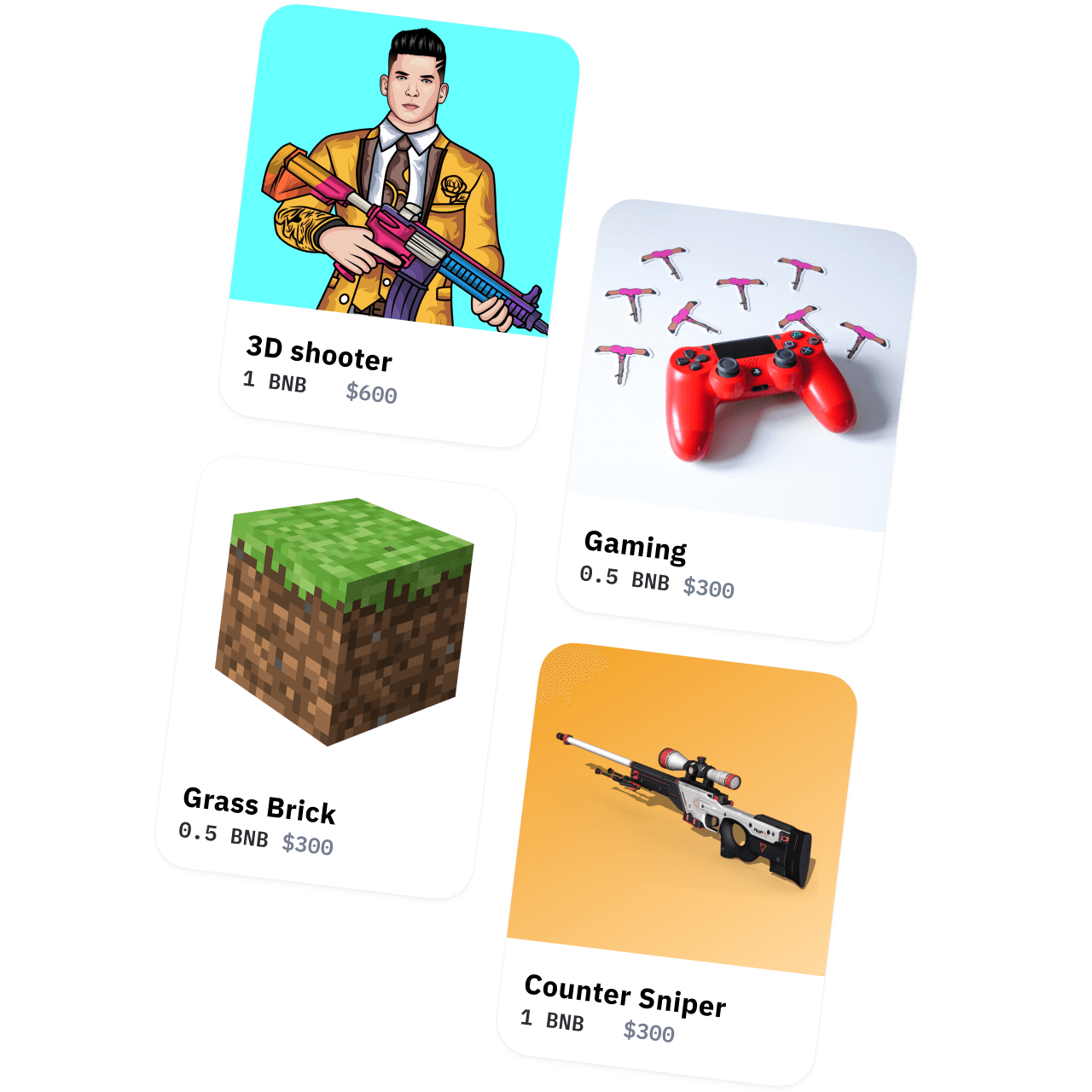
Ensure the NFT serves a clear purpose, such as gameplay advantage or land ownership. Check secondary market volume to confirm you can sell the asset when you want to exit.


As an Amazon Associate, we may earn from qualifying purchases.
| Asset Type | Risk Level | Liquidity |
|---|---|---|
| Gaming NFTs | Medium | High |
| Metaverse Land | High | Low |
| Play-to-Earn Tokens | High | Medium |
FAQ: Gaming NFTs to Watch in 2026
Are NFTs still relevant in 2026? Yes, but the focus has shifted from speculative art to functional utility. In 2026, NFTs serve as verifiable in-game assets that players can trade or use across compatible platforms. The market now prioritizes games where tokens and items have clear gameplay value rather than just rarity.
What are the most popular NFT games in 2026? Titles like The Sandbox, Axie Infinity, and Decentraland remain leaders due to their established user bases. Newer entries like Idle Cyber and Illuvium have gained traction by improving onboarding and graphics. These games blend traditional gaming loops with blockchain ownership.
What are the best NFTs to buy in 2026? The best assets are those tied to active economies with high liquidity. Look for land parcels in popular metaverses or characters that generate in-game rewards. Avoid static collectibles unless they have exclusive access rights. Prioritize projects with regular updates and active developer communities.
What are NFTs worth in 2026? Value depends on utility, scarcity, and demand within the game ecosystem. While some rare items sell for thousands, most functional assets trade for modest amounts. Prices fluctuate with game popularity and broader crypto market trends. Always research the specific game’s economy before investing.

No comments yet. Be the first to share your thoughts!