
Gaming NFTs in 2026: What Changed
The gaming NFT landscape has shifted from speculative trading to utility-driven gameplay. In 2026, the frenzy is over. What remains is durable digital ownership infrastructure that supports brand loyalty and new revenue models for developers. This transition marks a departure from the "buy low, sell high" mentality that defined earlier years.
Today's successful gaming NFTs serve as functional tools within ecosystems rather than standalone investment vehicles. Players acquire assets for their in-game utility, interoperability, or access to exclusive content. This focus on genuine utility ensures that value is tied to engagement and gameplay quality, creating a more sustainable market for both creators and players.
Key drivers in this evolution include AI-generated content and seamless interoperability across platforms. These technologies allow assets to retain value and function across different games or virtual worlds, enhancing the practical application of digital ownership. The market is no longer about hype cycles but about building lasting engagement through meaningful digital assets.
Top Play-to-Earn Games to Watch
The gaming NFT landscape in 2026 has shifted from speculative hype to sustainable utility. Leading play-to-earn titles now prioritize genuine gameplay loops, where digital assets like land, characters, and items hold real value within their ecosystems. Players are no longer just mining tokens; they are building, trading, and governing virtual worlds with tangible economic stakes.
The following games represent the current leaders in the sector, chosen for their active player bases, robust economies, and clear earning mechanics. Each title offers a distinct entry point into blockchain gaming, ranging from strategic resource management to open-world exploration.
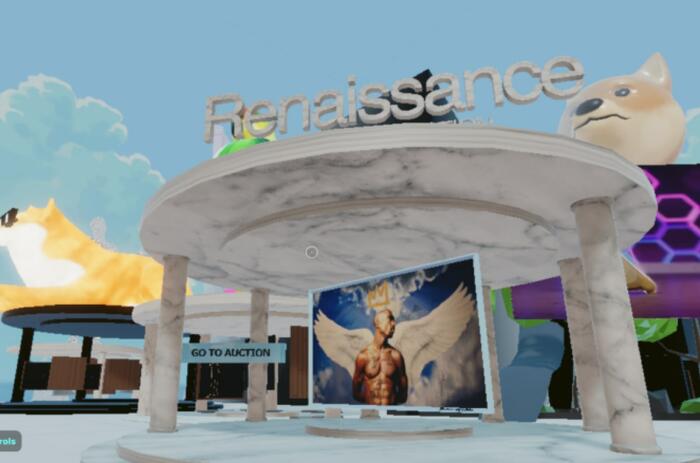
The Sandbox
The Sandbox remains a cornerstone of the metaverse gaming space, offering a user-generated content platform where players can create, own, and monetize their gaming experiences. Built on the Ethereum blockchain, it utilizes LAND, a digital piece of virtual real estate, as its primary asset. Players can lease or sell these plots to developers, creating a passive income stream, while others earn SAND tokens by participating in events and completing quests.
Axie Infinity
Axie Infinity pioneered the play-to-earn model, and despite market fluctuations, it retains a dedicated community. Players collect, breed, and battle creatures called Axies, earning SLP (Smooth Love Potion) tokens through gameplay. The game’s economy is deeply integrated, with Axies serving as both gameplay units and tradable NFTs on marketplaces, allowing players to profit from breeding rare traits or winning competitive matches.
Alien Worlds
Alien Worlds offers a decentralized metaverse where players mine Trilium (TLM), the native cryptocurrency, by interacting with planets. The game emphasizes governance and resource management, allowing players to stake their assets to vote on planetary proposals. Its simple clicker-style mechanics make it accessible to newcomers, while the strategic layer of land ownership and tool NFTs provides depth for long-term engagement.
Idle Cyber
Idle Cyber blends idle mechanics with cyberpunk aesthetics, allowing players to earn crypto rewards without constant active play. Players assemble teams of cybernetic agents to battle enemies and complete missions, generating resources that can be converted into tokens. The game’s low barrier to entry and automated earning potential make it a popular choice for casual gamers looking to dip their toes into blockchain economics.
Battle of Guardians
Battle of Guardians combines card-collecting mechanics with strategic combat, drawing inspiration from popular trading card games. Players can earn tokens by winning battles and completing daily challenges, while rare card NFTs hold value based on their stats and rarity. The game’s focus on competitive play and strategic deck building appeals to players who enjoy tactical depth alongside earning opportunities.
Decentraland
Decentraland is a virtual reality platform powered by the Ethereum blockchain where users can create, experience, and monetize content and applications. Users can purchase LAND parcels as NFTs, develop experiences on them, and host events. The platform’s MANA token is used for transactions, and users can earn by renting out land, creating premium content, or participating in the platform’s governance.
Illuvium
Illuvium is an open-world RPG adventure game built on the Immutable X blockchain, offering high-fidelity graphics and AAA-quality gameplay. Players explore a vast planet to capture and battle creatures called Illuvials, which are NFTs that can be traded or used in competitive play. The game’s native ILV token rewards players for staking, liquidity provision, and in-game achievements, supporting a robust in-game economy.
| Game | Blockchain | Primary Earning Mechanic |
|---|---|---|
| The Sandbox | Ethereum | Land leasing, SAND rewards |
| Axie Infinity | Ethereum/Ronin | SLP tokens, Axie trading |
| Alien Worlds | WAX/BSC | TLM mining, land staking |
| Idle Cyber | Polygon | Automated battle rewards |
| Battle of Guardians | Polygon | Card trading, battle wins |
| Decentraland | Ethereum | Land rental, MANA rewards |
| Illuvium | Immutable X | ILV staking, creature trading |
AI generation and cross-game assets
The next evolution of gaming NFTs relies on two distinct technological shifts: procedural generation and interoperability. Instead of relying on static, hand-drawn assets, developers are integrating AI tools to create dynamic in-game items. This allows for infinite variety in textures, character models, and environments without requiring manual labor for every variation. These AI-generated assets are not just cosmetic; they are encoded as unique tokens that retain their specific attributes across different platforms.
Interoperability is the second pillar of this 2.0 shift. Early NFT games were siloed ecosystems where a sword in one game had no value in another. The current trend focuses on cross-game utility, where a single NFT can function as an avatar, a weapon, or a currency across multiple titles within the same ecosystem. This creates a persistent digital identity for the player, rather than isolated experiences.
Playa3ull exemplifies this approach by building an ecosystem around five distinct games that share a single token and core NFT infrastructure. This design ensures that assets hold value across the entire suite of games, reducing the friction of entering new titles and increasing the longevity of the digital items. The focus has moved from speculative trading to genuine utility, where the asset itself provides functional benefits in a broader digital landscape.
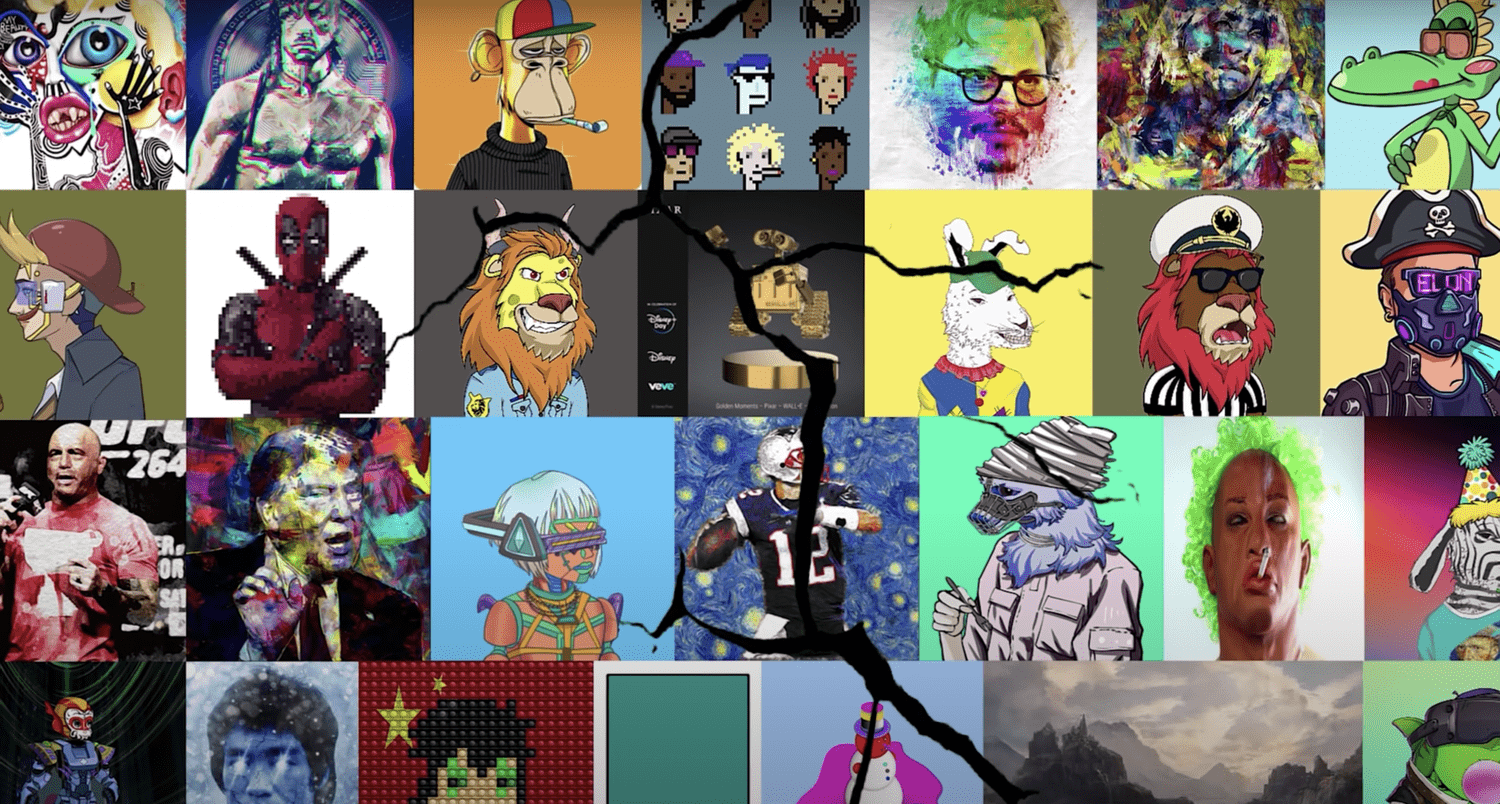
This transition marks a departure from the speculative frenzy of earlier years. The market has matured, replacing hype with durable infrastructure. Brands and developers now prioritize long-term engagement and brand loyalty programs over short-term price appreciation. The integration of AI and cross-game standards ensures that gaming NFTs remain relevant by offering tangible, functional value to players who use them.
Is Play-to-Earn Still Profitable
The era of easy money is over. In 2026, the speculative frenzy that defined early crypto gaming has cooled, replaced by a market focused on genuine utility and sustainable engagement. While NFTs themselves are far from dead—having matured into robust tools for brand loyalty and digital ownership—the specific "play-to-earn" model that promised passive income through token farming has largely collapsed.
The fundamental problem with pure farming models is that they treat games like jobs rather than entertainment. When the primary draw is the reward, players leave the moment the payouts drop or the token price fluctuates. This creates a death spiral: as more people join to farm, the supply of rewards increases, driving down the value of each token until the activity is no longer profitable. If a game isn't fun to play without the earning potential, the economy usually turns into a short-term pump-and-dump scheme.
Sustainable earning in 2026 requires a shift toward "fun-first" mechanics. Successful projects now integrate blockchain elements as a layer on top of engaging gameplay, rather than the other way around. Players might earn assets or tokens, but only because they are deeply invested in the game's social and competitive ecosystems. This approach mirrors traditional gaming models where value is derived from status, customization, and community, with crypto serving as a transparent ledger for ownership rather than a salary.
For players looking to profit, the focus should be on games with active, engaged communities and clear utility for their digital assets. Look for titles where the NFTs have real use cases within the game—such as unique character traits or land rights—rather than those promising fixed daily returns. The most durable earnings come from participating in economies that prioritize long-term retention over short-term extraction.
The landscape has shifted from "earn to play" to "play to own." While you may not find the high-yield opportunities of 2021, the games that survive are those that offer real entertainment value. This distinction is critical: if the game isn't enjoyable on its own merits, the financial aspect is likely a temporary lure rather than a viable business model.
Frequently asked: what to check next
Are NFTs still profitable in 2026?
The speculative frenzy of 2021 is gone, but play-to-earn gaming has matured into a durable ecosystem. Profitability now comes from genuine utility and brand loyalty rather than quick flips. Games like The Sandbox and Axie Infinity offer structured economies where consistent engagement yields tangible returns, shifting the focus from hype to sustainable digital ownership.
What is the best NFT to buy in 2026?
For gaming, the "best" NFT depends on the title's economy. Top performers include assets in Idle Cyber for passive income or Alien Worlds for resource mining. Generally, established projects with strong brand ecosystems and active communities provide the most stable value, while newer titles offer higher risk but potentially greater early-adopter rewards.
Will NFTs boom again?
A wholesale return to 2021-style speculation is unlikely without a major catalyst. However, targeted recoveries driven by better user experience and regulatory clarity are already visible. The market is shifting toward utility-first models where NFTs serve as functional in-game items, ensuring long-term growth even if headline numbers remain steadier than before.

No comments yet. Be the first to share your thoughts!