
What gaming NFTs 2026 actually means
Gaming NFTs in 2026 are no longer just speculative collectibles with no real use. The industry has moved past the 2021 hype cycle, shifting focus toward functional digital assets that integrate directly into gameplay. Instead of buying a static image to hold, players now acquire unique items that serve a purpose within the game world, such as characters, weapons, or land plots that affect strategy and progression.
This evolution distinguishes modern gaming NFTs from their predecessors. Today’s projects prioritize utility and gameplay integration, ensuring that the token provides tangible value to the player experience. Whether it is a sword that grants special abilities or a character skin that unlocks new areas, these assets are designed to enhance the game rather than act as a separate investment vehicle.
The best play-to-earn games in 2026 leverage this shift by creating economies where digital ownership matters. Players engage with blockchain technology not for quick profits, but to own a piece of the game they love. This approach rewards knowledge and skill over speculation, creating a more sustainable and engaging ecosystem for gamers.
Top play-to-earn games this year
The landscape for gaming NFTs 2026 has shifted from speculative hype to functional ecosystems. Players now look for games where digital assets hold real utility, whether through governance rights, in-game crafting, or direct trading on open markets. The leading titles this year blend traditional gameplay loops with blockchain transparency, allowing players to truly own their progress.
Rather than chasing quick payouts, the most successful games focus on sustainable economies. These platforms use tokenomics that balance supply and demand, ensuring that earned assets retain value over time. This shift has attracted a more dedicated player base willing to invest hours into mastering mechanics rather than just farming tokens.
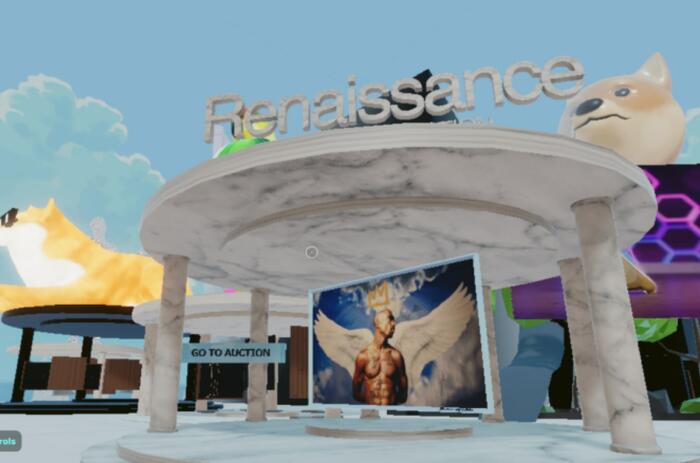
The following table compares the top contenders across genre, underlying blockchain, and their primary earning models. This comparison helps identify which gaming NFTs 2026 titles align with your preferred playstyle and technical comfort.
| Game | Genre | Blockchain | Earning Model |
|---|---|---|---|
| Axie Infinity | Turn-based Strategy | Ronin | Battle rewards, Land ownership |
| The Sandbox | Metaverse Creator | Ethereum, Polygon | Asset sales, Land leasing |
| Alien Worlds | DeFi Mining | WAX, BSC | Resource mining, Governance voting |
| Sunflower Land | Farming Sim | Polygon | Crop trading, Marketplace sales |
| Legends of Elumia | MMORPG | Immutable X | Item drops, Housing rents |
How blockchain gaming trends shape rewards
The play-to-earn model has matured from a speculative cash grab into a structured economic engine. In 2026, gaming NFTs are no longer just digital trading cards; they are functional assets within interoperable economies. Players are no longer just grinding for points; they are managing portfolios of in-game assets that hold real-world utility and value. This shift has forced developers to prioritize sustainable tokenomics over rapid inflation.
Cross-chain interoperability is the backbone of this new economy. Early Web3 games locked assets to single chains, creating silos that limited player freedom. Today, gaming NFTs 2026 titles utilize bridges and layer-2 solutions to allow assets to move freely between ecosystems. A sword earned in one game might be tradable in a marketplace or usable as collateral in another. This liquidity transforms gaming NFTs from static images into liquid capital.
Sustainability is the other critical pillar. The "earn" in play-to-earn was often unsustainable because it relied on new player money to pay existing ones. Modern models blend play-to-earn with play-and-own, where rewards are tied to actual gameplay engagement and community contribution rather than pure speculation. This approach stabilizes token prices and ensures that the economy serves the players, not just the investors.
The result is a more resilient ecosystem where gaming NFTs 2026 are valued for their utility and rarity. Players are rewarded for their time and skill, not just their willingness to buy in. This evolution marks the transition of blockchain gaming from a niche experiment to a mainstream entertainment sector.
Functional gaming NFTs in 2026
The definition of gaming NFTs in 2026 has shifted from digital trading cards to functional tools. Instead of serving as static collectibles, these assets now act as in-game utilities. Players own skins, weapons, and land that directly impact gameplay mechanics or provide tangible benefits within the virtual environment. This shift from speculation to utility defines the current era of blockchain gaming.
Functional assets fall into three primary categories. First, cosmetic skins allow players to customize their avatars with unique visual traits that are verified on-chain. Second, equipment and weapons often possess unique statistical properties or durability metrics that differ from standard loot drops. Third, virtual land serves as a canvas for building structures, hosting events, or generating passive in-game resources.
This functionality creates a deeper layer of player ownership. When an item has a clear purpose, its value is tied to its performance and scarcity rather than market hype. Players can trade these assets with confidence, knowing they hold a piece of the game world’s infrastructure. This utility-driven approach stabilizes the economy and encourages long-term engagement.

The distinction between these functional assets and traditional in-game purchases is clear. Traditional items are locked within a single platform’s ecosystem. Functional gaming NFTs in 2026 often retain their value and utility across compatible games or marketplaces. This interoperability gives players true sovereignty over their digital possessions, turning them from renters into owners.
Faq: gaming nfts 2026: what to check next
The gaming NFT landscape has shifted from speculative hype to functional utility. Here are answers to common questions about the current market and top picks.
These shifts reflect a broader maturation of the web3 gaming sector. Players now prioritize games with proven retention and clear economic models over viral marketing campaigns.

No comments yet. Be the first to share your thoughts!