
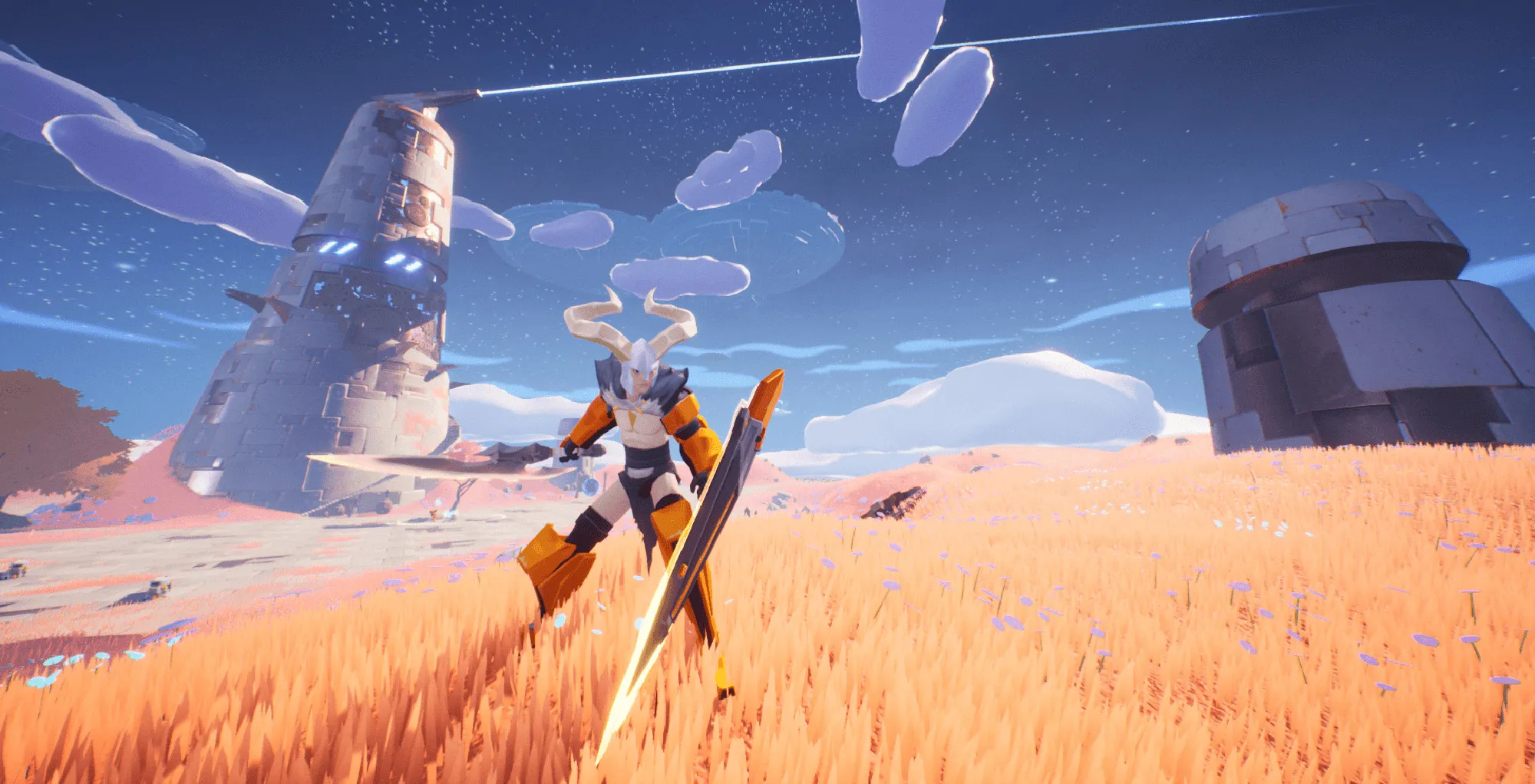
5 Gaming NFTs to Watch in 2026: Play-to-Earn Revival
The gaming NFT landscape has shifted from speculative trading to utility-driven play-to-earn models. Early projects struggled because their digital assets lacked real in-game value, serving mostly as static collectibles. By 2026, successful games tie NFTs directly to gameplay mechanics, cosmetic upgrades, and interoperability. This shift ensures that players earn value through active participation rather than passive holding.
1. Illuvium
Illuvium integrates generative AI to create distinct character traits and abilities that shift with each battle. This mechanic ensures that no two NFTs remain identical over time, turning long-term holding into an active engagement strategy. Players earn value not by flipping static images, but by utilizing unique, AI-evolved assets that provide a competitive edge in the game’s open-world RPG environment.
2. Star Atlas
Star Atlas utilizes procedural AI to create unique starships and resources that adapt to the player's exploration history. This approach deepens the economic loop, as the rarity and utility of an asset are directly tied to the specific actions the owner has taken within the game world. The game’s integration of high-fidelity graphics with blockchain ownership allows players to truly own their in-game vehicles and resources, which can be traded or used across different sectors of the metaverse.
3. The Sandbox
The Sandbox remains a leader in user-generated content, allowing players to create, own, and monetize their gaming experiences. In 2026, the platform has refined its asset utility, ensuring that LAND and avatar NFTs have tangible use cases within the ecosystem. Players can lease their LAND to developers or host events, creating a sustainable income stream that relies on community engagement rather than speculative hype.
4. Alien Worlds
Alien Worlds offers a straightforward "play-and-earn" model where players mine Trilium (TLM) tokens using NFT tools and avatars. While the earning potential is lower than high-capital models, it requires minimal upfront investment. The game’s simplicity makes it accessible to newcomers, and its interoperability across multiple blockchains allows players to stake assets for additional yield, providing a steady, low-risk entry point into blockchain gaming.
5. Gods Unchained
Gods Unchained brings the familiar mechanics of digital card games to the blockchain, allowing players to truly own their cards. In 2026, the game has focused on improving the secondary market liquidity and integrating new card sets that offer strategic depth. Players earn value by winning matches and completing challenges, with the option to sell rare cards on the marketplace. This model rewards skill and strategy, aligning player incentives with the health of the game’s economy.
How gaming NFTs changed in 2026
This evolution mirrors the broader maturation of the crypto market. While broader NFT projections suggest a market value reaching $10 billion by 2026, the gaming sector specifically has narrowed its focus to sustainable economic loops. Players are no longer looking for quick flips; they want assets that enhance their experience across different game environments.
The result is a more selective market where fewer platforms remain active. Trading activity is lower, but the quality of engagement is higher. Projects that cannot demonstrate clear utility or robust community engagement have faded, leaving room for titles that prioritize gameplay first and tokenomics second.
Where to buy gaming NFTs safely
The safest way to acquire gaming NFTs is through the official stores of the games themselves. Platforms like Steam, Epic Games, or the publisher’s dedicated web store handle the transaction directly. This method bypasses the volatility of secondary markets and eliminates the risk of buying counterfeit assets. When you purchase directly from the developer, you are buying the in-game utility or cosmetic upgrade itself, not just a speculative token.
For games that require specific blockchain wallets, such as Alien Worlds or The Sandbox, you should use the official in-game marketplace. These platforms are integrated directly into the game client, ensuring that the NFTs you buy are immediately usable. This approach reduces the friction of transferring assets between external wallets and keeps your digital identity tied to a single, verified account.
If you prefer a broader selection of gaming merchandise or digital keys, authorized retailers like Eneba or Fanatical are reliable alternatives. These platforms often bundle game keys with official digital collectibles or starter packs. Always verify the retailer’s reputation and check for recent customer reviews to ensure the keys are region-free and valid. Avoid peer-to-peer sales on social media or unverified forums, where scams are common.


As an Amazon Associate, we may earn from qualifying purchases.
Common questions about play-to-earn
The 2026 gaming landscape is shifting from speculative hype to tangible utility. While the market is smaller than its 2021 peak, it is stabilizing around games with real mechanics rather than abstract promises.
The broader gaming industry is also evolving in 2026, with major releases like Grand Theft Auto 6 setting new standards for player engagement that blockchain games must now match to survive. This pressure is forcing NFT projects to prioritize fun and retention over financial incentives.

No comments yet. Be the first to share your thoughts!