
5 Gaming NFTs to Watch in 2026: AI-Driven Assets Reshaping Play-to-Earn
The intersection of artificial intelligence and blockchain is redefining the play-to-earn economy, transforming static digital collectibles into dynamic, adaptive assets. As we approach 2026, these five gaming NFTs leverage AI to create unique in-game experiences that offer tangible utility and evolving value.
1. The Sandbox: Generative AI for Creator Economies
The Sandbox integrates generative AI into its Game Maker tool, allowing creators to script complex behaviors for non-player characters without coding. This lowers the barrier to entry for immersive play-to-earn experiences. Players can own virtual LAND parcels and monetize user-generated assets, creating a dynamic economy where AI-driven interactions enhance the realism of the decentralized metaverse environment.
2. Axie Infinity: Adaptive Combat Mechanics
Axie Infinity utilizes AI to evolve its signature creatures, ensuring no two battles feel identical through dynamic stat adjustments and adaptive behavior patterns. This system keeps the core play-to-earn loop fresh, reducing player fatigue. Owners benefit from unique, AI-enhanced Axies that hold distinct market value, transforming simple pet collection into a strategic, ever-changing competitive ecosystem.
3. Decentraland: Intelligent Event Curation
Decentraland employs AI to curate personalized virtual events and manage dynamic land usage rights within its decentralized social hub. This technology optimizes traffic flow and enhances attendee experiences at virtual concerts and galleries. Users can lease or buy parcels that adapt their visual presentation based on real-time data, creating a responsive digital real estate market driven by intelligent automation.
4. Illuvium: Procedural World Generation
Illuvium deploys AI to generate unique creature behaviors and combat strategies in its open-world RPG, ensuring high replayability. Each captured Illuvium possesses distinct traits influenced by algorithmic randomness, making trading and team composition deeply strategic. This approach elevates the play-to-earn model beyond simple grinding, offering players a rich, adaptive fantasy world where every encounter feels fresh and consequential.
5. Pixels: Dynamic Economic Balancing
Pixels integrates AI to dynamically adjust farming mechanics and resource scarcity, keeping the economy balanced for thousands of concurrent players. This system prevents inflation and maintains engagement by adapting challenges to player activity levels. Owners of land and items benefit from a stable, player-driven marketplace where AI ensures fair competition and consistent reward structures for active participants.
How AI is Changing Gaming NFTs
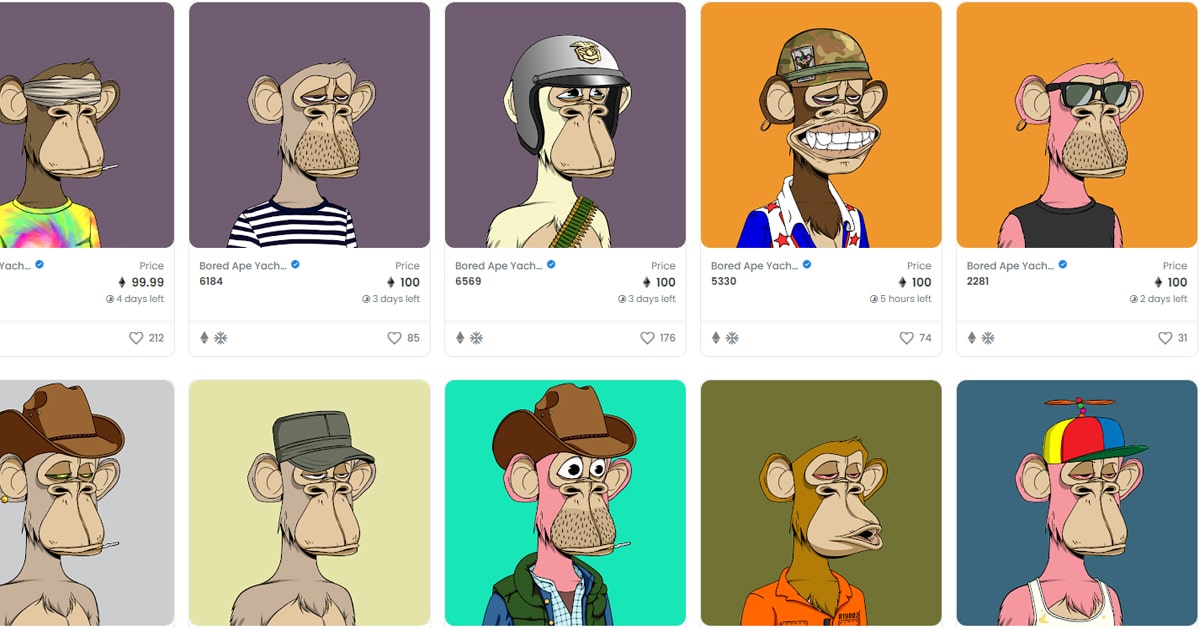
The gaming NFT landscape in 2026 has moved past the era of static, profile-picture collectibles. Early projects treated digital assets as one-time purchases, but AI-driven assets have introduced dynamic behavior that evolves with gameplay. This shift transforms NFTs from simple ownership receipts into functional game components that adapt to player strategies.
AI integration allows these assets to learn from user interactions. Instead of displaying a fixed image, an AI-generated NFT can change appearance, stats, or abilities based on in-game performance. This creates a feedback loop where the asset becomes more valuable as the player engages with it, bridging the gap between speculation and actual utility.
The difference between 2021 and 2026 is the difference between a trading card and a companion. Static NFTs were collectibles; AI assets are participants.
This evolution addresses the primary criticism of early play-to-earn models: lack of long-term engagement. By tying asset value to ongoing AI-generated content and gameplay, developers are creating economies where value is sustained by activity rather than hype. This foundation is what makes the current crop of gaming NFTs distinct from previous market cycles.
Comparing top gaming NFTs
Choosing the right gaming NFT requires balancing upfront costs against long-term earning potential and the depth of AI integration. The following comparison highlights five distinct projects that define the current play-to-earn landscape.
| Game | Entry Cost | Earning Potential | AI Integration |
|---|---|---|---|
| The Sandbox | $50–$300 | High (Creator Economy) | Moderate (Procedural Tools) |
| Axie Infinity | $10–$50 | Medium (Daily Tasks) | Low (Basic Mechanics) |
| Decentraland | $100–$500 | Medium (Land Events) | Low (Static Assets) |
| Illuvium | $200–$1,000 | High (Battle Rewards) | High (Adaptive AI) |
| Pixels | Free–$20 | Low (Micro-Tasks) | Moderate (NPC Behavior) |
The Sandbox and Illuvium demand higher initial investment but offer the most sophisticated AI-driven economies, allowing assets to evolve based on player interaction. In contrast, Pixels and Axie Infinity lower the barrier to entry, making them accessible for casual players, though their AI integration remains largely cosmetic or functional rather than generative.

As an Amazon Associate, we may earn from qualifying purchases.
Gaming NFTs 2026 FAQ
The gaming NFT landscape in 2026 has moved past the speculative boom of previous years. While the market is smaller and more selective, the focus has shifted toward tangible utility and genuine player ownership rather than pure token speculation.
Are gaming NFTs still relevant in 2026?
Yes, but the definition of relevance has changed. According to Webopedia, fewer platforms remain active, and trading activity is lower than during the peak boom years. Most projects no longer attract broad demand, meaning only those with real utility—like in-game assets or cross-game interoperability—survive. The sector is now defined by quality over quantity.
What are the best NFT investments in 2026?
Investors are favoring established brands with deep liquidity and real-world utility. CryptoPunks remain the leader in market cap, while Bored Ape Yacht Club offers a strong brand ecosystem. Pudgy Penguins has gained traction through toy licensing deals that bridge digital assets with physical goods. These projects offer more stability than new, unproven gaming tokens.
How will 2026 impact the gaming industry?
Beyond NFTs, 2026 is a landmark year for traditional gaming hardware and software. It marks the first full year for the Nintendo Switch 2, with a growing library of exclusive titles. Additionally, the highly anticipated release of Grand Theft Auto 6 is expected to be one of the biggest entertainment launches of the decade, potentially drawing millions of new players into ecosystems that may incorporate blockchain elements.

No comments yet. Be the first to share your thoughts!