
The shift to dynamic in-game assets
The definition of an AI generated NFTs gaming asset is shifting from static collectibles to functional, evolving digital items. In 2026, the value proposition lies in utility rather than speculation. Assets are no longer fixed JPEGs; they are programmatic entities that adapt to gameplay, player behavior, and broader market conditions through dynamic metadata and procedural generation. This transition moves NFTs from passive inventory slots to active components of the game economy.
Dynamic metadata allows an NFT’s properties—such as stats, appearance, or rarity—to change in real time. For example, a weapon might degrade with use, requiring repair, or a character might grow stronger based on the player’s skill level. This creates a feedback loop where ownership implies ongoing engagement. The asset’s value is tied to its performance history and its ability to interact with other game systems, making it a living piece of the digital environment rather than a static image.
Procedural generation further expands this utility. Instead of manually crafting each asset, developers use AI to generate unique variations based on underlying rules. This ensures that every item is distinct while maintaining balance within the game’s economy. The result is a scalable production model that supports vast, personalized player inventories without overwhelming developers with manual design work.
The correlation between AI adoption in Web3 games and market activity suggests that dynamic assets drive sustained engagement. As games integrate more sophisticated AI systems, we see a corresponding rise in unique active wallets and trading volume for functional NFTs.
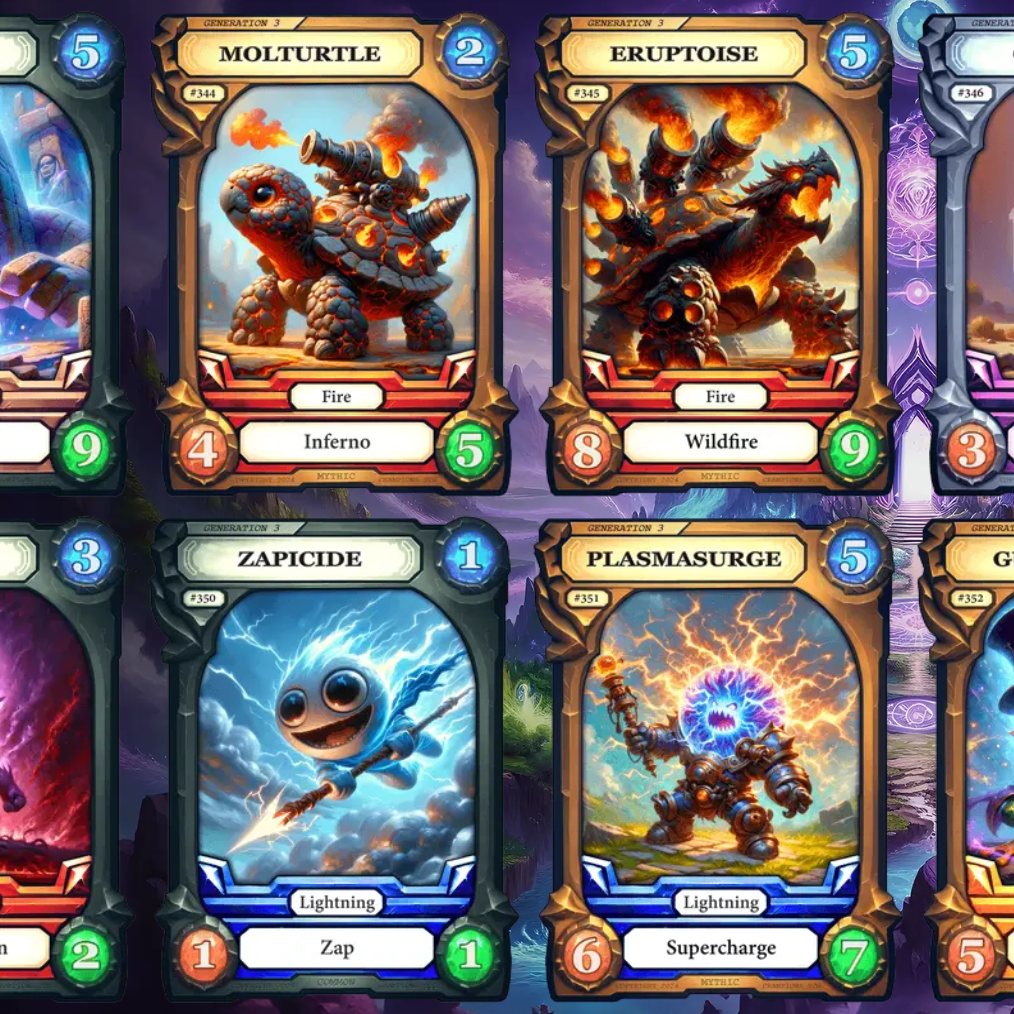
This shift is already visible in early adopters. Card game developers have begun using AI artists to generate unique card art, citing quality and efficiency gains over traditional methods. Such examples highlight how AI is not just creating content, but fundamentally altering the lifecycle of digital assets in gaming.
Procedural generation meets blockchain
The convergence of artificial intelligence and blockchain technology has shifted NFT utility from static digital collectibles to dynamic, game-ready assets. In 2026, the primary value driver is no longer just scarcity, but the capacity for infinite variation combined with verifiable ownership. This synergy allows developers to mint unique items on-chain while off-chain AI models generate the visual and statistical variations.
Procedural generation acts as the engine for asset creation. Instead of artists manually designing every skin, weapon, or character trait, AI algorithms use seed data to produce distinct combinations. These variations are then hashed and stored on the blockchain. This process ensures that while the visual output may be infinite, the underlying ownership record remains immutable and transparent. Players can trade these assets with the confidence that the metadata accurately reflects the unique characteristics of the item.
Blockchain provides the necessary infrastructure for this model to function in a multiplayer environment. It verifies the authenticity of AI-generated assets, preventing duplication or fraud. When an asset is minted, the transaction records the provenance of the AI model and the specific parameters used to generate the item. This creates a clear lineage for every in-game asset, which is essential for maintaining a healthy secondary market.
The technical implementation relies on smart contracts that interact with AI inference engines. When a player triggers a generation event, the contract calls the AI service, receives the unique asset hash, and mints the corresponding NFT. This real-time interaction enables games to offer personalized experiences while maintaining the economic integrity of the blockchain.
This integration supports a more sustainable gaming economy. By decoupling asset creation from manual labor, developers can scale content production significantly. Meanwhile, players benefit from a deeper, more personalized collection of items that hold genuine value within the game ecosystem.
Market performance and player adoption
Use this section to make the AI Generated NFTs in Gaming decision easier to compare in real life, not just on paper. Start with the reader's actual constraint, then separate must-have requirements from details that are merely nice to have. A practical choice should survive normal use, maintenance, timing, and budget. If a recommendation only works in an ideal situation, call that out plainly and give the reader a fallback path.
| Factor | What to check | Why it matters |
|---|---|---|
| Fit | Match the option to the primary use case. | A good deal still fails if it does not fit the job. |
| Condition | Verify age, wear, and service history. | Hidden condition issues erase upfront savings. |
| Cost | Compare purchase price with likely upkeep. | The cheapest option is not always the lowest-cost option. |
Risks of AI in Web3 gaming
The integration of AI into Web3 gaming introduces structural vulnerabilities that extend beyond simple technical glitches. Because these assets often rely on procedural generation and dynamic metadata, the boundary between creator ownership and algorithmic output becomes legally ambiguous. When an AI model trained on copyrighted game assets generates a new NFT, the resulting intellectual property rights are rarely clear-cut. This legal gray area poses a significant threat to both developers and collectors, as platforms may be forced to remove assets or face litigation if the underlying training data violates existing copyright laws.
Quality control presents another immediate hurdle. Unlike hand-crafted assets, AI-generated content can suffer from subtle inconsistencies, such as logical errors in physics or disjointed visual styles, which can break immersion in high-stakes gaming environments. Without rigorous human oversight or sophisticated validation layers, these low-effort assets can degrade the overall player experience. This lack of uniformity makes it difficult for players to trust the integrity of in-game economies, potentially leading to a loss of confidence in the platform.
The market is also facing the risk of saturation. The low barrier to entry for AI generation tools means that marketplaces are being flooded with repetitive, low-quality NFTs. This oversupply dilutes the value of genuine digital assets and makes it harder for high-quality projects to stand out. As the volume of AI-generated content increases, the signal-to-noise ratio decreases, making it increasingly difficult for players to distinguish between valuable, unique items and generic, mass-produced assets.
To understand the broader market volatility that these risks contribute to, it is helpful to look at the performance of the underlying digital asset classes.
FAQ on AI Generated NFTs in Gaming
Can I create an NFT using AI?
Yes. Modern workflows allow creators to generate assets using machine learning models and mint them directly to the blockchain. This process typically involves generating visual assets or dynamic metadata via AI, then using smart contracts to tokenize the output. While tools automate the initial creation, the resulting NFT’s value depends on the underlying utility or provenance rather than the generation method alone.
What is an NFT in gaming?
In gaming, an NFT represents a unique digital asset—such as a character skin, weapon, or land parcel—that exists on a blockchain. Unlike traditional in-game items, these assets are owned by the player and can often be traded across compatible marketplaces. AI integration allows for procedural generation, where items are dynamically created based on player behavior, ensuring no two assets are identical and increasing scarcity.
Is NFT still a thing in 2026?
The market has matured, shifting from speculative trading to functional utility. In 2026, NFTs are primarily valued for their interoperability and role in play-to-earn ecosystems. While speculative volumes have cooled compared to previous cycles, institutional adoption and game studios integrating blockchain for asset ownership confirm the technology’s ongoing relevance in the gaming sector.
Is NFT worthless now?
No. While the "get rich quick" narrative has faded, the technology provides verifiable ownership and scarcity. The worth of an NFT is determined by its utility within a specific game or ecosystem. Projects that integrate AI for dynamic content creation or offer tangible in-game advantages maintain demand, whereas purely speculative art collections have seen significantly reduced liquidity.

No comments yet. Be the first to share your thoughts!