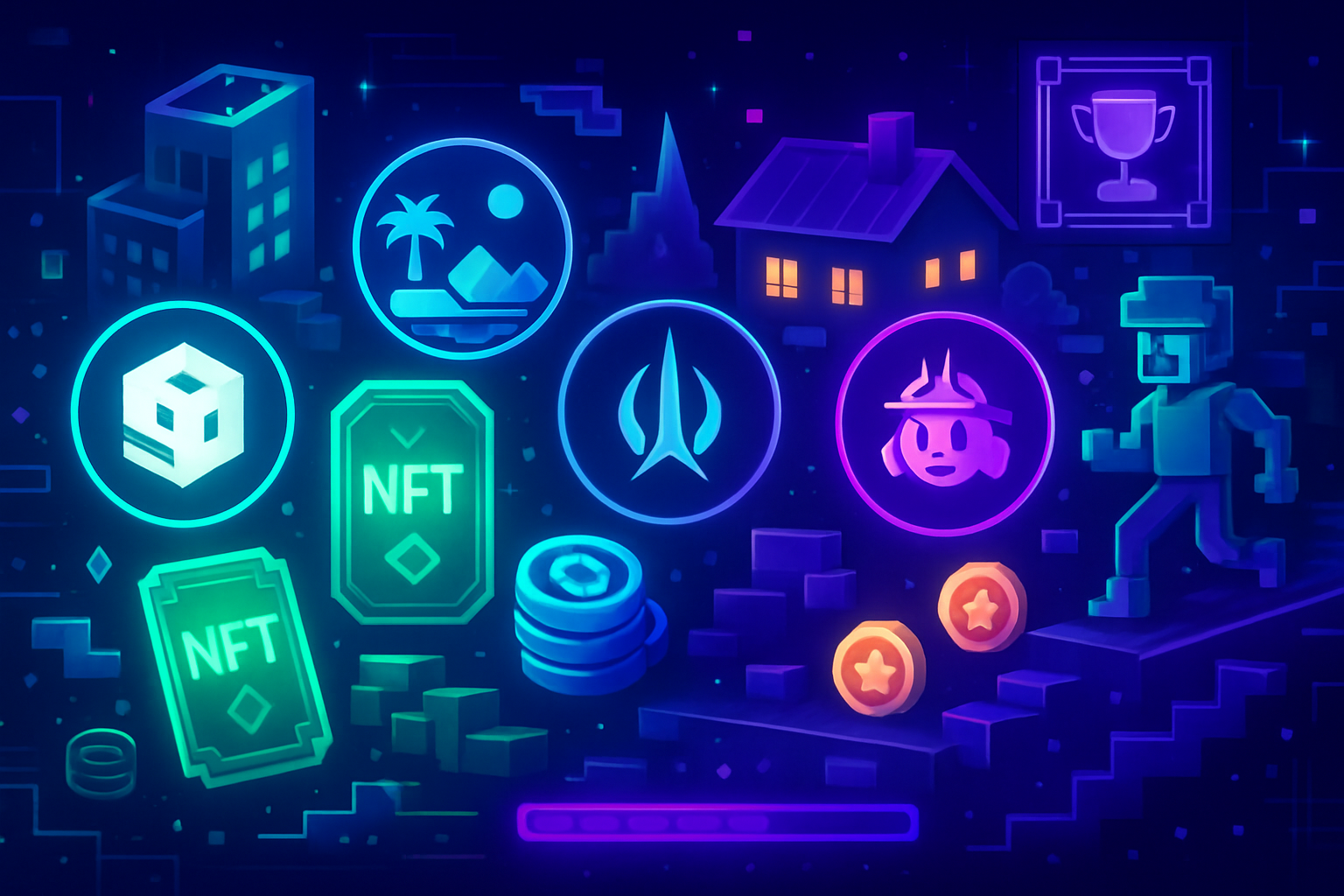
The rise of play-to-earn NFT games is transforming how we think about property, ownership, and wealth creation in the digital age. No longer confined to pixels on a screen, virtual real estate NFTs now represent true, blockchain-backed assets that can be bought, sold, developed, and monetized, ushering in a new era for gamers and investors alike.
From Pixels to Property: The New Age of Virtual Land
Imagine owning a plot of land in a world where the only limit is your creativity. That’s the promise delivered by today’s leading NFT gaming economies. Platforms like The Sandbox, Decentraland, Otherside (by Yuga Labs), Illuvium: Zero, and My Neighbor Alice are at the vanguard, each offering unique takes on digital land ownership within expansive metaverse environments.
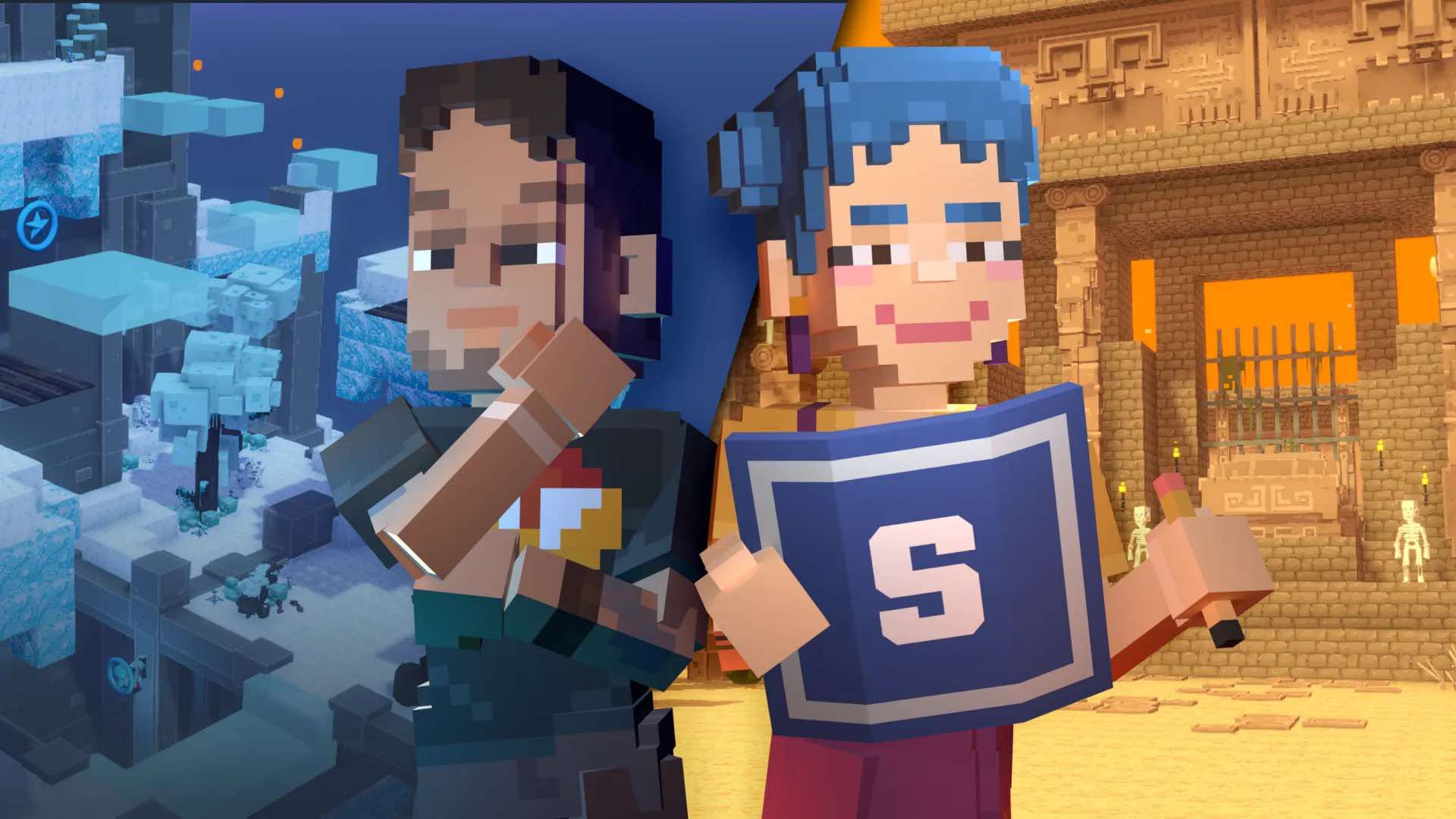
The Sandbox has quickly become synonymous with virtual real estate innovation. Here, players purchase LAND NFTs that grant them the right to build anything from art galleries to adventure games. The platform’s robust creator tools empower users to design experiences limited only by their imagination, and to monetize them by charging entry fees or hosting exclusive events.
Decentraland, meanwhile, pioneered the concept of NFT-based land parcels as early as 2017. Each plot is represented as an NFT on the Ethereum blockchain and can be customized with structures, interactive installations, or even virtual businesses. Transactions use the in-game token MANA, which can be traded for real-world value. In fact, Decentraland famously saw a single parcel sell for $2.43 million, a testament to the growing significance of digital property.
The Mechanics Behind Play-to-Earn Virtual Real Estate
The magic behind these worlds lies in their use of blockchain technology and smart contracts. When you buy a plot in any of these games, be it Otherside’s mysterious lands or Illuvium: Zero’s resource-rich territories, you’re not just purchasing access; you’re acquiring verifiable proof of ownership recorded immutably on-chain.
This means players can:
- Develop their land: Construct buildings, create mini-games, or host social hubs.
- Earn passive income: Rent out properties or charge for event access.
- Trade on open marketplaces: Sell developed (or undeveloped) plots for profit using native tokens like SAND (The Sandbox) or ALICE (My Neighbor Alice).
- Participate in governance: Vote on platform upgrades or new features using governance tokens tied to their holdings.
This play-to-earn model isn’t just about fun, it’s an economic revolution that empowers players as stakeholders rather than mere consumers.
Pioneers Shaping NFT Gaming Economies
The ecosystem is rich with variety and opportunity. Let’s spotlight how each leading title approaches digital land ownership:
- The Sandbox: LAND NFTs are the foundation for user-generated content and monetization strategies, from theme parks to branded partnerships with global artists.
- Decentraland: A decentralized autonomous organization (DAO) governs its world; every parcel holder has a say in its evolution.
- Otherside (by Yuga Labs): Tied to Bored Ape Yacht Club lore, Otherside offers immersive adventures and collaborative development opportunities within its evolving universe.
- Illuvium: Zero: This sci-fi strategy game lets players manage industrial complexes on NFT-owned land, extracting resources that fuel broader gameplay across the Illuvium ecosystem.
- My Neighbor Alice: With its charming farmstead aesthetic, this game democratizes land ownership through affordable parcels and community-driven experiences.
If you’re eager to dive deeper into how these platforms are shaping digital economies, and what it takes to get started, explore our comprehensive guides at NFT-Based Economies.
Monetization is the heartbeat of virtual real estate NFT markets. Each of these flagship play-to-earn NFT games has developed creative, player-first economies that reward ingenuity and initiative. In The Sandbox, for instance, LAND owners can lease their plots to creators, set up branded experiences, or even collaborate with major entertainment IPs. The result is a thriving digital land marketplace where value is driven by both utility and community demand.
Over in Otherside (by Yuga Labs), the focus is on building a collaborative, lore-rich universe. Land parcels here, known as Otherdeeds, are more than static assets; they’re gateways to evolving adventures, exclusive content drops, and social gatherings. The connection to the Bored Ape Yacht Club ecosystem ensures a steady influx of high-profile players and collectors, fueling both speculation and genuine creative building.
Illuvium: Zero takes a resource management spin on digital land ownership. Players who own land can extract vital resources, which are essential for crafting and progression in the broader Illuvium universe. This interdependency between landowners and active players creates a dynamic in-game economy where collaboration and trade are incentivized, not just passive holding.
Meanwhile, My Neighbor Alice stands out for its accessible approach to digital land ownership. With a focus on community events and charming aesthetics, it lowers the barrier to entry for newcomers while still offering robust opportunities for creativity and profit. Players can decorate their plots, participate in seasonal events, or even collaborate on building projects that benefit the wider world.
Risks, Rewards, and the Future of Metaverse Land Marketplaces
Of course, with opportunity comes risk. Virtual real estate prices can be volatile, influenced by platform updates, tokenomics changes, and broader trends in NFT gaming economies. Smart investors keep an eye on community activity, developer roadmaps, and transaction volumes before making any big moves.
Yet the potential rewards are hard to ignore. LAND NFTs in top-tier games like The Sandbox and Decentraland have already demonstrated real-world value appreciation. Early adopters have seen their digital holdings increase in value as demand for prime locations or unique experiences grows. As metaverse adoption accelerates, these plots could become the next frontier for brands, influencers, and everyday gamers alike.
What’s truly revolutionary is the shift from speculative asset holding to active participation. These worlds reward those who build, host, and contribute, not just those who buy early and sit back. It’s an open invitation for anyone willing to learn the tools and engage with the community.
For those ready to take the plunge, start by exploring official marketplaces within each game. Research recent land sales, join community forums, and experiment with creator tools. The best way to understand the potential of play-to-earn NFT games is to get your hands dirty, design a mini-game in The Sandbox, attend a virtual concert in Decentraland, or cultivate your own slice of paradise in My Neighbor Alice.
The lines between gaming, investing, and socializing are blurring fast. As these ecosystems mature, expect even more integration with real-world brands, innovative monetization models, and new forms of digital citizenship. Whether you’re a gamer, creator, or crypto enthusiast, there’s never been a more exciting time to stake your claim in the metaverse land rush. Stay curious and learn by doing, the next big opportunity could be just a plot away.

No comments yet. Be the first to share your thoughts!