
Why AI changes the NFT game
The NFT gaming landscape is undergoing a fundamental shift. We are moving past the era of static, one-dimensional collectibles toward dynamic, AI-driven assets that evolve with gameplay. This transition addresses the primary limitation of early blockchain games: the disconnect between digital ownership and actual utility.
In 2026, AI integration allows NFTs to adapt to player behavior, market conditions, and in-game events. A sword isn't just a sprite; it's a programmable entity that learns from usage patterns. This creates a living ecosystem where value is derived from interaction, not just scarcity.
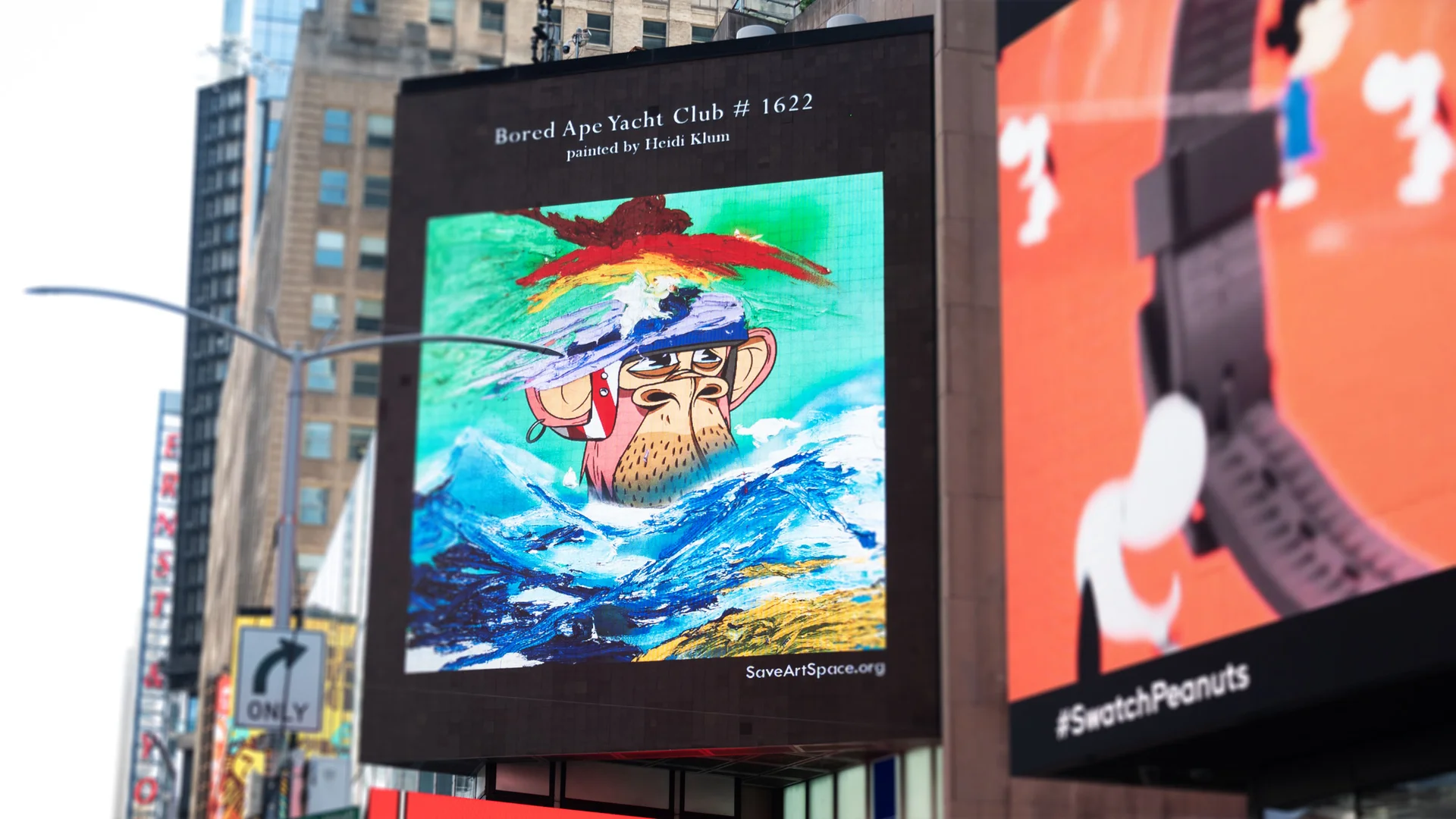
The financial implications are significant. Industry projections suggest that NFT and blockchain gaming ecosystems are poised to surpass $20 billion in transaction value by 2026. This growth is fueled by players seeking tangible returns on their time and investment, a demand that static assets can no longer satisfy.
This shift redefines the core value proposition of digital ownership. It is no longer about holding a JPEG; it is about owning a functional, intelligent component of a game world. As AI models become more sophisticated, the line between player and creator continues to blur, offering new ways to engage with virtual economies.
Alien Worlds: Mining with AI logic
Alien Worlds stands out as a mature example of decentralized governance and resource management enhanced by AI efficiency. Unlike many games that treat AI as a mere marketing buzzword, this title integrates algorithmic decision-making directly into its core loop. Players mine Trilium (TLM) across various planets, but the real depth lies in the strategic layer that governs land ownership and tool usage.
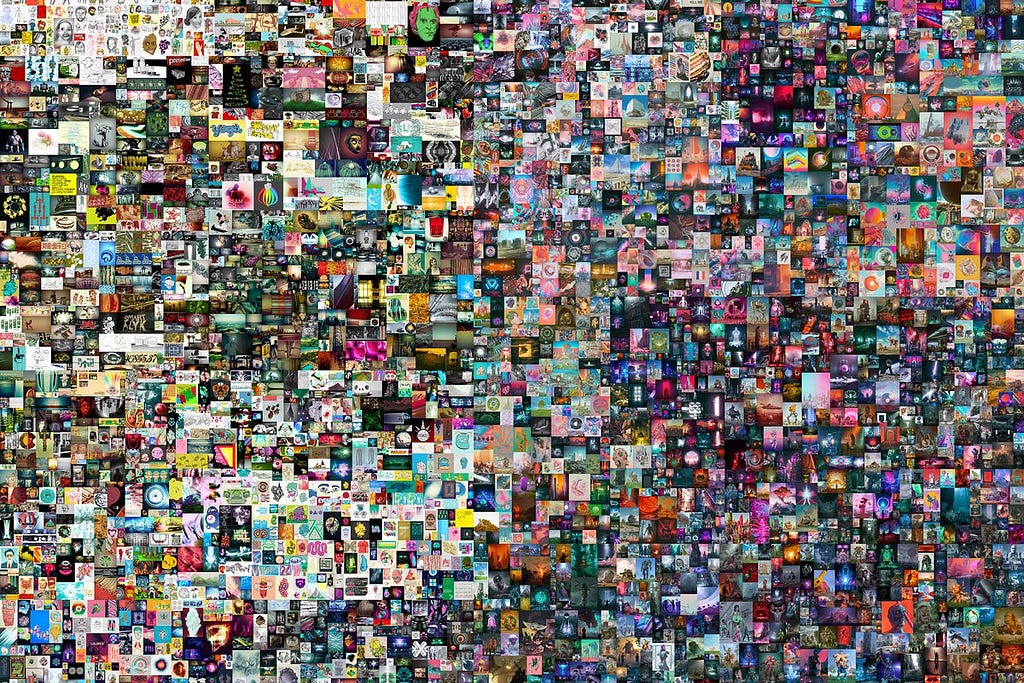
The game’s interface, as seen in the screenshot below, reflects a utilitarian design focused on efficiency. Players must manage their planetary land plots and upgrade their mining tools to maximize output. This is where AI logic comes into play: algorithms help optimize resource allocation and suggest the most profitable mining strategies based on current market conditions and planetary yields.
This approach transforms passive holding into active management. Instead of just waiting for rewards, players engage with a system that rewards strategic planning and adaptability. The decentralized nature of the game means that governance decisions, such as protocol upgrades or reward distributions, are voted on by token holders, creating a unique blend of blockchain economics and AI-driven gameplay.
For those interested in the intersection of AI and gaming, Alien Worlds offers a practical case study in how these technologies can coexist. It demonstrates that AI can enhance the player experience without removing the core appeal of ownership and competition. As the metaverse evolves, games like Alien Worlds will likely serve as blueprints for more complex, AI-integrated digital economies.
Playa3ull: Cross-game asset utility
Playa3ull operates as a unified ecosystem where five distinct games share a single token and core NFT infrastructure. This architecture eliminates the usual fragmentation of crypto gaming, allowing players to move assets seamlessly between different experiences. Instead of buying separate skins or tokens for each title, users invest in foundational NFTs that retain value and utility across the entire platform.
The model relies on AI-driven economies to balance supply and demand dynamically. As players engage in different games, the AI adjusts tokenomics in real time, preventing inflation and maintaining asset scarcity. This ensures that the core NFTs remain valuable regardless of which game the player chooses to engage with next.
By centralizing the economy, Playa3ull reduces the friction typically associated with multi-game crypto projects. Players can earn rewards in one game and spend them in another, creating a continuous loop of engagement. This cross-pollination of assets encourages long-term participation, as the utility of their holdings extends far beyond a single title.
Custom ship designs in naval combat
AI integration in naval combat games has moved beyond simple enemy pathfinding to player-driven asset creation. By leveraging generative models, developers now allow users to design unique, ownable ships that directly impact gameplay mechanics. This shifts the creative burden from the studio to the player, resulting in a more personalized experience.
The process typically involves selecting hull configurations, armor plating, and weapon mounts through an intuitive interface. The AI then ensures the design is functional within the game's physics engine, preventing impossible structures while encouraging imaginative builds. Each generated vessel is minted as an NFT, granting true ownership and the ability to trade or sell unique designs on secondary markets.
This capability turns every player into a shipyard. Instead of choosing from a static roster of pre-made vessels, you can craft a frigate tailored to your specific combat style. Whether you prioritize speed for hit-and-run tactics or heavy armor for frontline engagements, the AI generates a distinct asset that reflects your strategic preferences.
Emerging AI crypto game projects
The broader landscape of AI-integrated gaming extends beyond the established leaders. Newer titles are experimenting with how machine learning alters core gameplay loops, offering fresh mechanics for players willing to explore the ecosystem.
Two projects currently drawing attention are Dropee and Party Icons. Both are leveraging AI to create more dynamic interactions, moving away from static, pre-scripted events toward adaptive environments that respond to player behavior in real time.
Dropee focuses on strategic resource management enhanced by AI-driven opponent modeling. The game uses neural networks to adjust difficulty and resource scarcity based on individual play styles, ensuring that the economy remains balanced and engaging over long sessions. This approach rewards adaptability rather than just repetitive grinding.
Party Icons takes a different angle, integrating AI into social deduction and role-playing elements. The AI agents act as non-player characters with distinct personalities and memory systems, creating unpredictable social dynamics. This makes every session unique, as the AI learns from community interactions to generate novel storylines and challenges.
These projects highlight a shift toward deeper AI integration. Instead of using AI solely for asset generation, developers are embedding it into the decision-making processes of the game world. This creates a more immersive experience where the boundary between player and environment becomes more fluid.
Key Features of Emerging Projects
-
Dropee
AI-driven opponent modeling adjusts difficulty and resource scarcity based on individual play styles for a balanced economy. -
Party Icons
AI agents with distinct personalities and memory systems create unpredictable social dynamics and novel storylines.
What to watch in the next year
The landscape for AI gaming NFTs is shifting from speculative trading to functional utility. In 2026, the most valuable digital assets are those that actively participate in gameplay through procedural generation. Players are no longer just collecting static images; they are acquiring tools that evolve based on in-game behavior and community data.
Procedural asset ownership means that an NFT’s appearance and stats are not fixed at minting. Instead, they adapt to the player’s style. A sword might develop unique visual traits after defeating specific enemies, or a character’s armor could change texture based on the environment. This creates a direct link between player agency and economic value. The more you engage with the game mechanics, the more unique and potentially valuable your assets become.
Economic sustainability depends on this loop. If assets are purely decorative, their value is tied to hype, which is volatile. When assets are functional and generated by AI, they retain value through utility. Games are building economies where rare procedural traits are earned through skill, not just purchased. This reduces inflation and keeps the market stable for long-term participants.
Looking ahead, expect to see more integration between AI narrative engines and NFT ownership. Your character’s backstory might be generated based on the items you own, creating a personalized experience that cannot be replicated. This convergence of AI, gameplay, and ownership is the next major step for Web3 gaming.

No comments yet. Be the first to share your thoughts!