
Gaming NFTs 2026: Selection Criteria and Scope
The landscape for gaming NFTs in 2026 has shifted from speculative hype to functional utility. We focused on projects where digital assets integrate seamlessly into core gameplay loops rather than serving as mere collectibles. This section outlines how we evaluated the top candidates for this year’s guide.
Our selection process prioritized three main factors: active player retention, cross-platform interoperability, and sustainable tokenomics. We excluded projects with stagnant user bases or unclear paths to profitability, ensuring that each pick offers tangible value to both casual players and serious investors. The goal is to highlight gaming NFTs 2026 trends that emphasize long-term engagement over short-term price spikes.
We reviewed data from major web3 gaming aggregators and community sentiment across social platforms. Only games demonstrating consistent monthly active users and robust developer roadmaps made the final cut. This approach helps filter out fleeting trends, leaving you with a curated list of five gaming NFTs 2026 projects that are built to last.
5 Gaming NFTs to Watch in 2026: Meta-Verse Integration & Play-to-Earn Trends
By 2026, gaming NFTs have shifted from speculative assets to core infrastructure for cross-platform meta-verse integration and sustainable play-to-earn models. We evaluated five distinct projects based on active user retention, liquidity depth, and actual utility within their ecosystems to identify which tokens offer tangible value rather than just hype.
1. Illuvium Open World NFT Integration
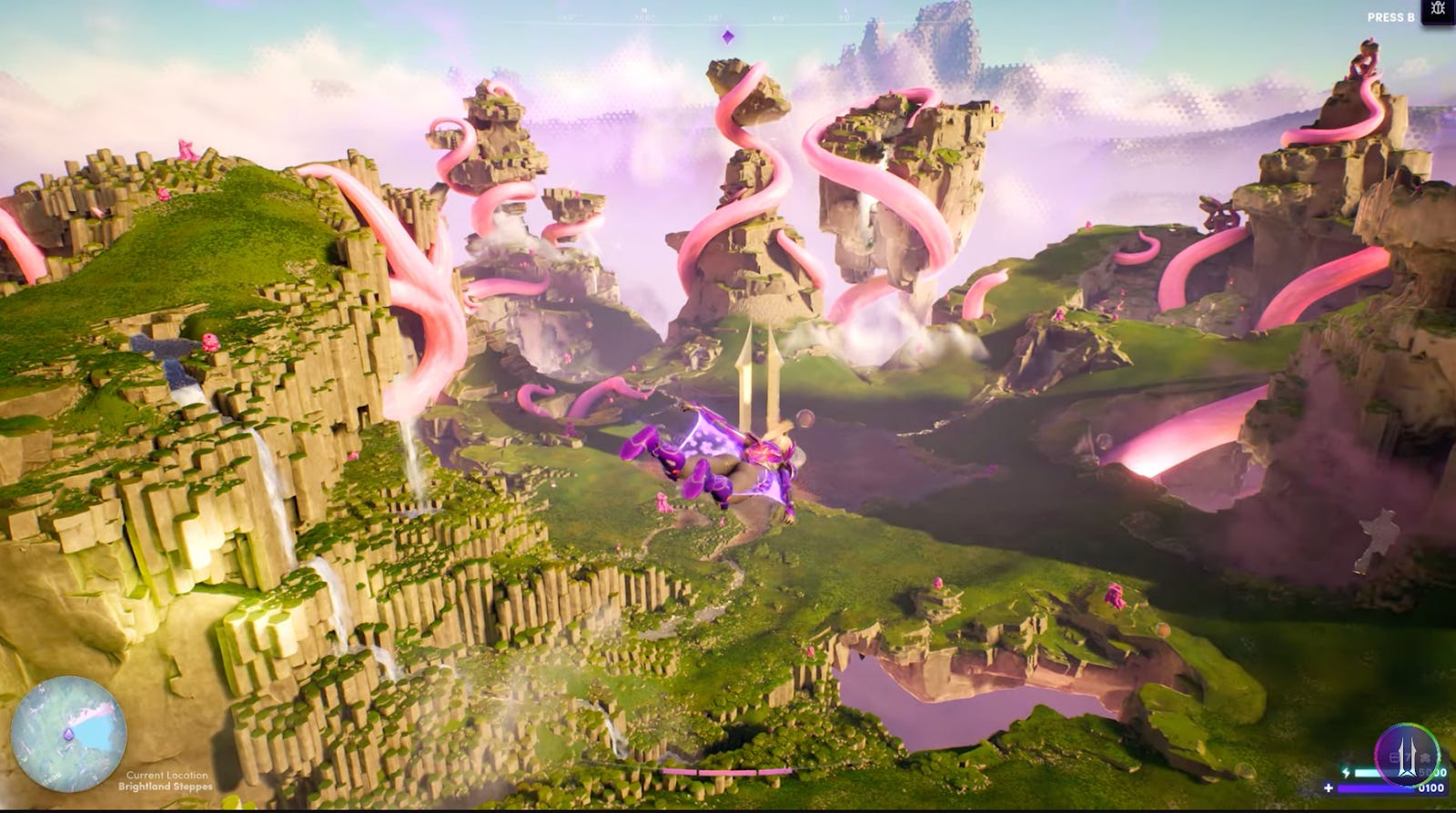
Illuvium merges AAA-quality open-world exploration with blockchain asset ownership, allowing players to capture and trade "Illuvials" as NFTs. The game’s seamless integration of high-fidelity graphics with on-chain mechanics sets a new standard for play-to-earn ecosystems. Players can breed, battle, and sell these digital creatures, creating a dynamic economy where in-game achievements translate directly into tangible digital assets.
2. Gods Unchained Competitive Card NFTs
Gods Unchained brings traditional competitive card gameplay to the blockchain, ensuring every card is a verifiable NFT. Unlike many games where items are centralized, here players truly own their decks, enabling free trading across marketplaces. The strategic depth remains high, appealing to seasoned TCG players who value skill-based progression and the ability to monetize their card collections through direct peer-to-peer sales.

3. Big Time MMORPG Asset Ownership
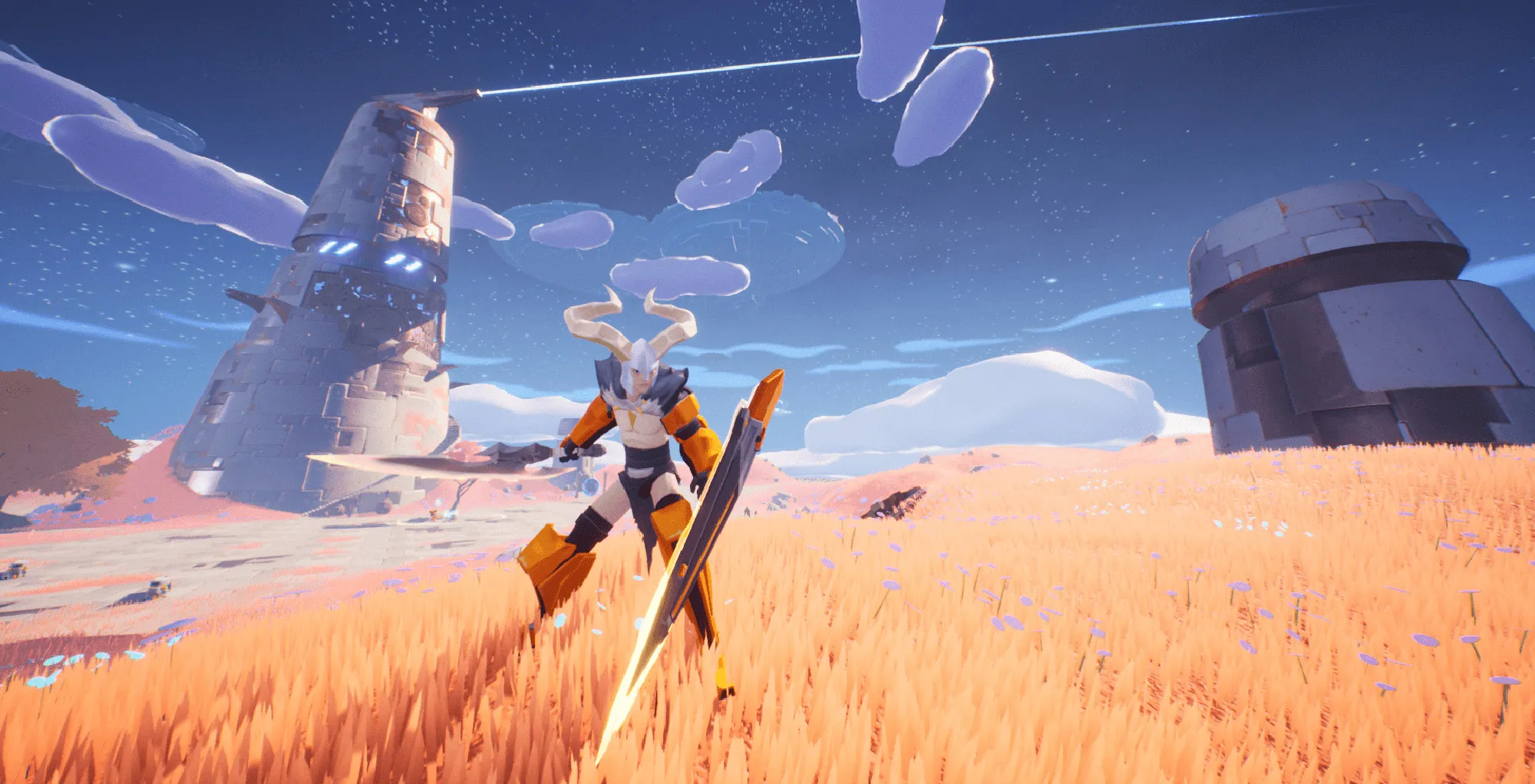
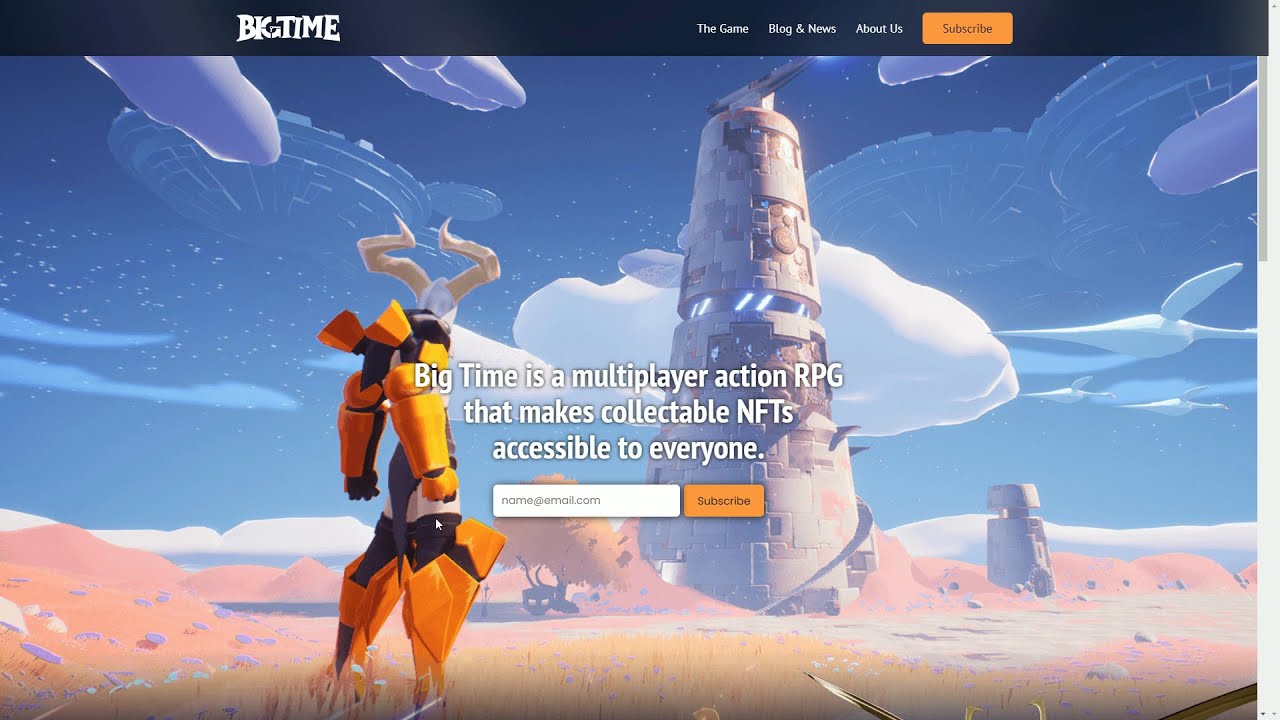
Big Time redefines MMORPG asset ownership by making rare loot, skins, and characters tradable NFTs. Its fast-paced combat and instanced dungeons create a high-stakes environment where valuable drops hold real-world value. Players can farm unique items that appreciate over time, offering a play-to-earn model focused on skillful gameplay rather than repetitive grinding, appealing to those seeking prestige and profit in virtual economies.
4. Parallel TCG Strategic Card NFTs
Parallel TCG offers a rich sci-fi narrative backdrop for strategic card battles, with every card minted as an NFT. The game emphasizes deep strategic mechanics and regular content updates that keep the meta fresh. Players can build decks using owned cards, trade duplicates, and participate in tournaments, creating a vibrant ecosystem where strategic mastery and collection building drive both engagement and economic value.
5. Star Atlas Space Exploration NFTs
Star Atlas immerses players in a massive multiplayer space exploration economy where ships, land, and resources are NFTs. Its Unreal Engine 5 visuals provide a stunning backdrop for strategic gameplay, from resource gathering to interstellar warfare. Players can own and trade these assets, creating a complex economy driven by supply, demand, and player-driven conflicts, making it a premier choice for those interested in deep virtual world integration.

Pick the right fit
Choosing a gaming NFT in 2026 requires looking past the hype and focusing on the underlying mechanics. The market has shifted from speculative assets to functional utility, meaning your selection should depend on how the token integrates with the game’s economy. A high-value asset is useless if the game lacks a sustainable player base or clear earning pathways.
1. Verify cross-chain compatibility
Meta-verse integration is the defining trend of 2026. Ensure the NFT you select can move between different game worlds or platforms. Assets locked to a single chain or closed ecosystem limit your ability to trade or use items across the broader web3 gaming landscape. Look for projects building on multi-chain bridges or interoperable standards.
2. Assess the play-to-earn model
Not all play-to-earn models are created equal. Some games rely on inflationary token emissions that devalue assets quickly, while others tie earnings to actual gameplay engagement and item scarcity. Analyze the tokenomics: does the game have sinks (ways to burn tokens) to balance the faucets (ways to earn)? Sustainable models keep asset prices stable longer.
3. Check developer activity and roadmap
The viability of a gaming NFT often depends on the studio’s commitment. Review their GitHub commits, social media updates, and roadmap execution. Projects with consistent development and clear updates on meta-verse features are more likely to retain value than those with abandoned communities or vague promises.
4. Evaluate entry cost and barrier to entry
Consider the upfront cost versus potential returns. High-entry NFTs may promise greater rewards but require significant capital and risk. Lower-cost assets might offer slower growth but provide a safer way to test a game’s mechanics. Match the investment to your risk tolerance and familiarity with the specific game genre.
5. Review community and liquidity
A strong community indicates long-term interest. Check Discord or Telegram activity for genuine player discussion versus bot spam. Additionally, verify liquidity on marketplaces. If you cannot easily sell the NFT when needed, its theoretical value is irrelevant. Prioritize assets with active trading volumes and clear exit strategies.


As an Amazon Associate, we may earn from qualifying purchases.
| Criterion | Low Risk | High Risk |
|---|---|---|
| Entry Cost | Under $50 | $500+ |
| Earnings Model | Skill-based rewards | High inflation tokens |
| Liquidity | High volume markets | Low volume niche |

No comments yet. Be the first to share your thoughts!