
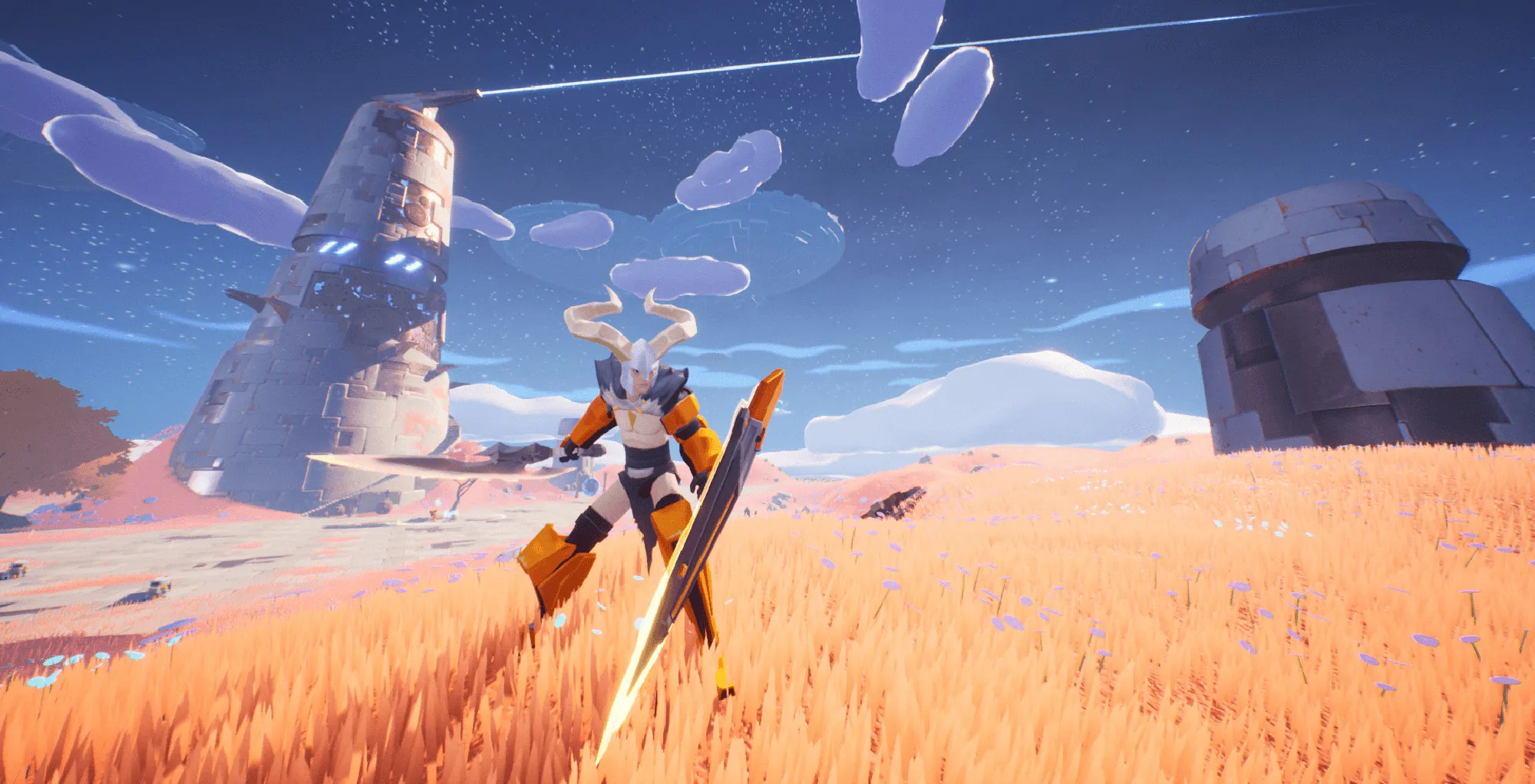
The 2026 gaming NFT landscape
The conversation around gaming NFTs has shifted from speculative hype to utility-driven play-to-earn models. In 2021, the market was defined by quick flips and abstract promises. By 2026, serious gamers are looking for tangible value. The focus is no longer just on owning a digital asset, but on how that asset functions within a game's economy.
This transition marks a pivotal year for the industry. Projects that cannot demonstrate clear utility or sustainable tokenomics are fading away. Investors and players alike are prioritizing games where in-game items have real-world relevance and lasting value. The era of "pay-to-win" with no exit strategy is over, replaced by models that reward skill and time.
Market data supports this maturation. According to Fortune Business Insights, the global NFT gaming market is projected to reach USD 45.88 billion by 2034, expanding at a 25.14% CAGR during 2026-2034. This growth is not driven by casual speculation but by a steady influx of users seeking meaningful engagement. The infrastructure is now in place to support complex, interactive economies rather than simple collectible markets.
As we look at the specific titles leading this charge, it becomes clear that the best opportunities are those that blend robust gameplay with transparent economic systems. The following sections break down five gaming NFTs that exemplify this new standard of quality and utility.
5 Gaming NFTs to Watch in 2026: Play-to-Earn Trends
The 2026 gaming landscape is defined by tangible asset ownership, shifting play-to-earn models from speculative hype to sustainable in-game economies. We evaluate five specific titles where NFT integration directly impacts gameplay mechanics and player value.
-
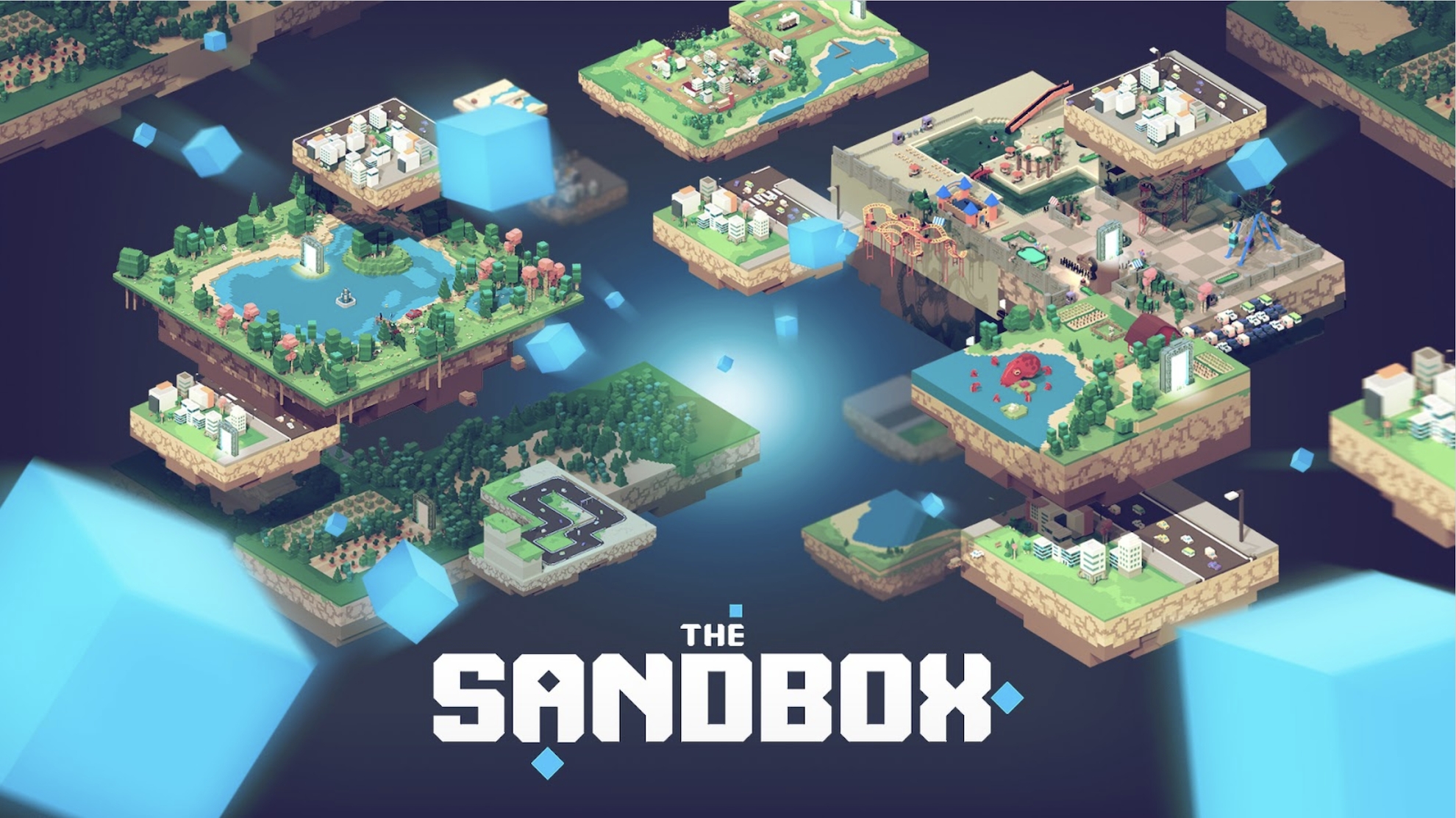
the sandbox virtual land utility
The Sandbox allows players to own, create, and monetize gaming experiences using non-fungible tokens. Its virtual land acts as digital real estate where creators build games and social spaces. This utility model shifts ownership from developers to users, enabling a player-driven economy. As adoption grows, these parcels become valuable assets for hosting events or trading in-game items within the expanding metaverse ecosystem. -

axie infinity play-to-earn mechanics
Axie Infinity pioneered the play-to-earn model by allowing players to earn cryptocurrency through battling and breeding digital pets called Axies. The game’s economy relies on token rewards for competitive gameplay, creating a direct link between skill and financial return. This mechanic incentivizes active participation, turning gaming time into tangible economic value for users in emerging markets worldwide. -
alien worlds decentralized mining
Alien Worlds integrates decentralized finance with gaming by letting players mine Trilium tokens on various planets. Each planet operates as a distinct DAO, where voting power is tied to NFT land and tool ownership. This structure encourages strategic resource management and community governance, offering a unique blend of idle mining mechanics and participatory blockchain decision-making for dedicated investors. -
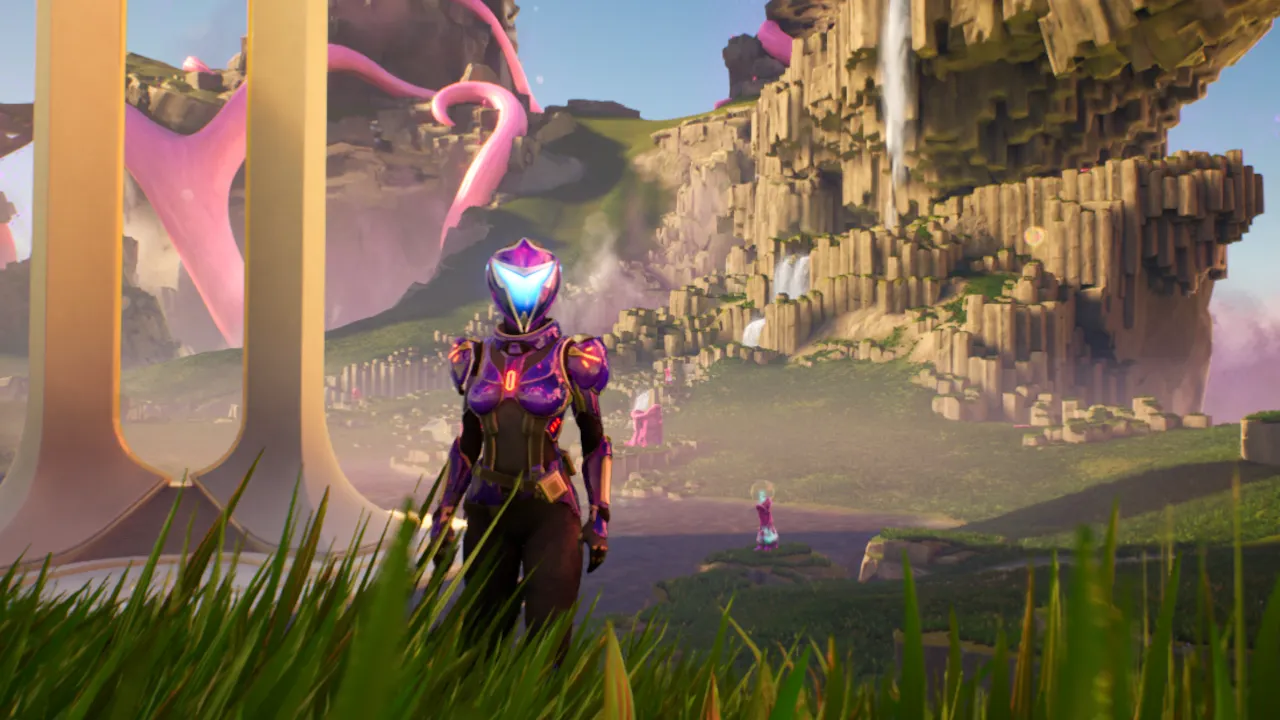
illuvium open-world rpg
Illuvium combines high-fidelity 3D graphics with an open-world RPG experience, where players capture and battle creatures called Illuvials. The game’s NFT assets include characters, skins, and land, all interoperable within its ecosystem. By merging traditional RPG progression with blockchain ownership, Illuvium offers a visually stunning platform that rewards strategic collection and competitive gameplay in a persistent digital world. -
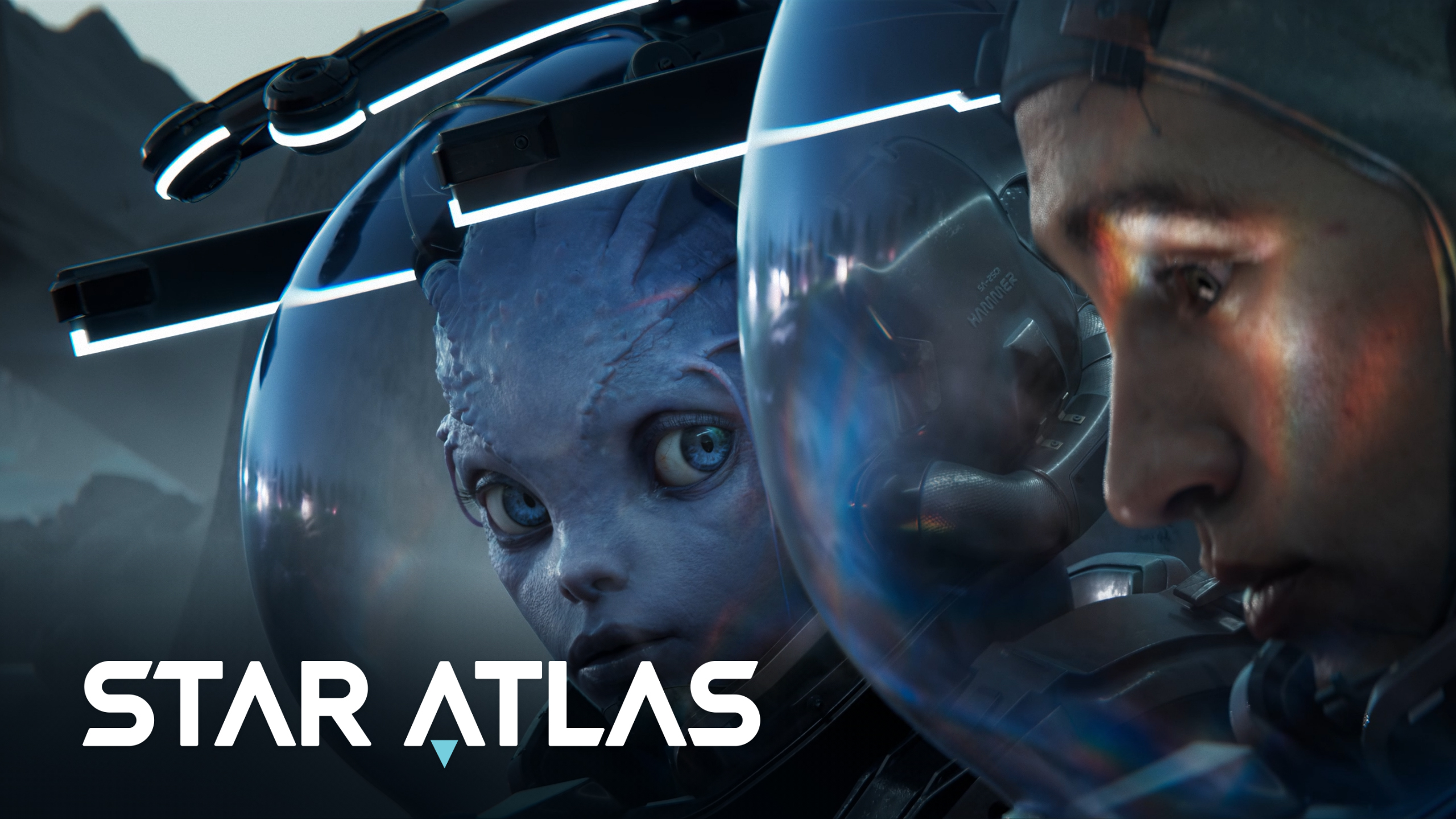
star atlas space strategy game
Star Atlas presents a massive multiplayer space strategy game set in a futuristic universe. Players engage in exploration, combat, and resource management using NFT ships and assets. Built on Solana, it aims to deliver console-quality graphics while integrating DeFi elements. The game’s economy allows players to earn tokens through strategic gameplay, creating a complex interstellar market driven by player decisions and ownership.
Compare the Top 5 Gaming NFTs
Choosing the right play-to-earn project requires understanding the underlying infrastructure. Each title uses a different blockchain and token structure to facilitate its economy. The table below breaks down the core mechanics for The Sandbox, Axie Infinity, Alien Worlds, and the remaining top contenders.
| Game | Blockchain | Token | Primary Utility |
|---|---|---|---|
| The Sandbox | Ethereum | SAND | Land ownership and asset creation |
| Axie Infinity | Ronin | AXS | Battlefield team composition |
| Alien Worlds | WAX | TLM | Resource mining and governance |
| Playa3ull | Multi-chain | P3U | Cross-game ecosystem access |
| Illuvium | Immutable X | ILV | High-fidelity creature collection |
These metrics highlight the diversity in the sector. Some platforms prioritize land speculation, while others focus on battle mechanics or cross-game interoperability. Understanding these differences helps you align your investment with your preferred gameplay style.


As an Amazon Associate, we may earn from qualifying purchases.
Frequently asked questions about gaming NFTs
Are people still buying NFTs in 2026? NFTs did not disappear after the 2021 hype cycle; they evolved into practical applications and niche markets. The current landscape rewards technical knowledge and utility over pure speculation. Whether gaming NFTs fit your portfolio now depends on your specific risk tolerance and whether you value in-game asset ownership.
What is the best NFT to invest in 2026? Investors currently focus on projects with established liquidity and real-world utility. Leading choices include CryptoPunks for market depth, Bored Ape Yacht Club for its brand ecosystem, and Pudgy Penguins, which leverages physical toy licensing to drive demand beyond the digital screen.
Which gaming NFTs offer the best play-to-earn potential? The most viable play-to-earn titles in 2026 integrate blockchain mechanics directly into core gameplay loops. Games like The Sandbox and Axie Infinity remain prominent examples, allowing players to earn cryptocurrency or tradeable assets through active participation rather than passive holding.

No comments yet. Be the first to share your thoughts!