
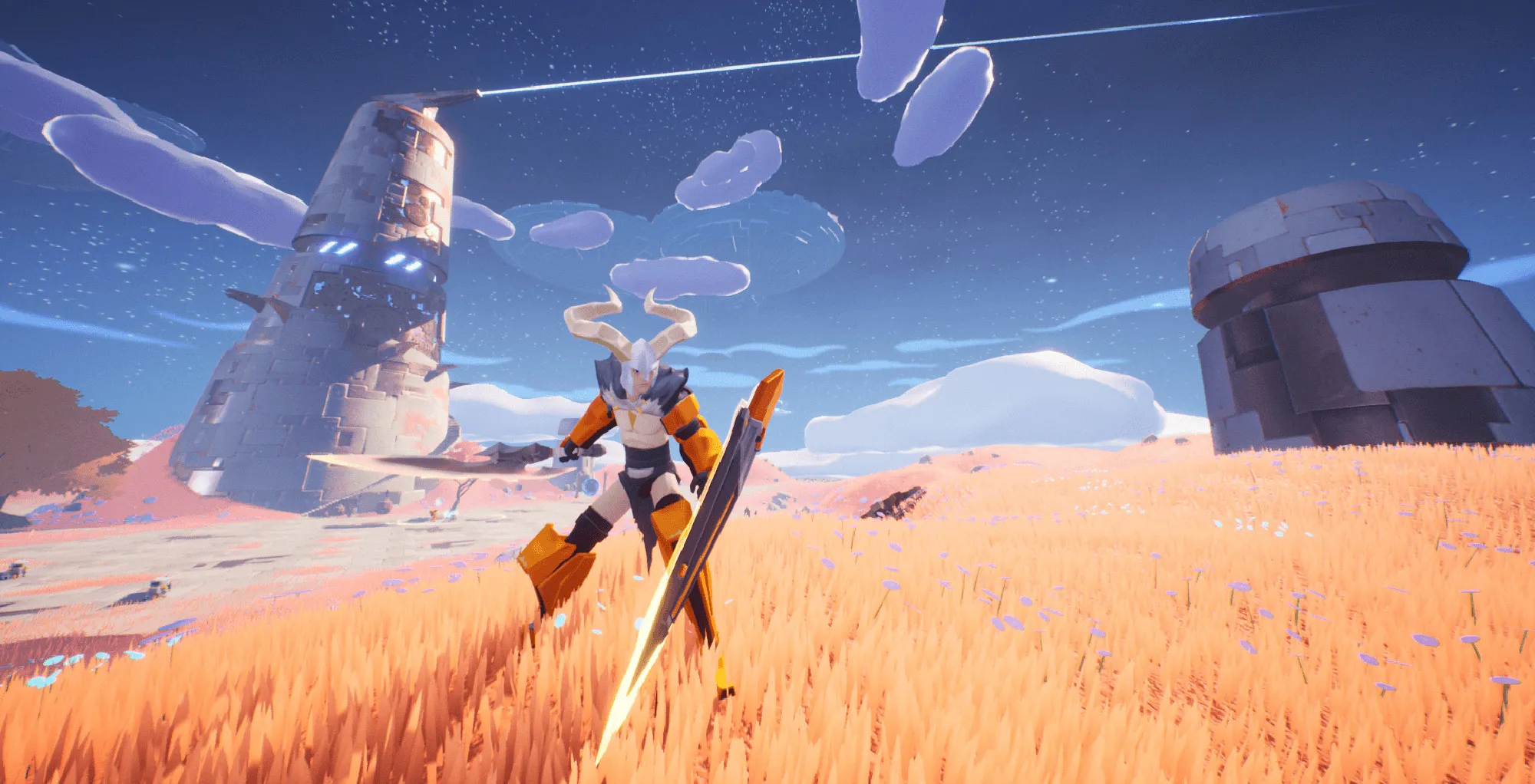
5 Gaming NFTs to Watch in 2026: Play-to-Earn Trends
Navigating the 2026 gaming NFT landscape requires distinguishing between speculative assets and projects with verified utility and sustainable tokenomics. This analysis evaluates five specific play-to-earn titles based on official development roadmaps and measurable user engagement metrics rather than market hype.
-

Axie Infinity ecosystem tokenomics analysis
Axie Infinity (AXS) demonstrates how token utility stabilizes volatile play-to-earn models. The token governs staking rewards and development funding, creating a closed-loop economy. Investors must monitor inflation rates carefully, as excessive minting devalues holdings. This structural analysis highlights the shift from pure speculation to sustainable yield generation within the ecosystem. -
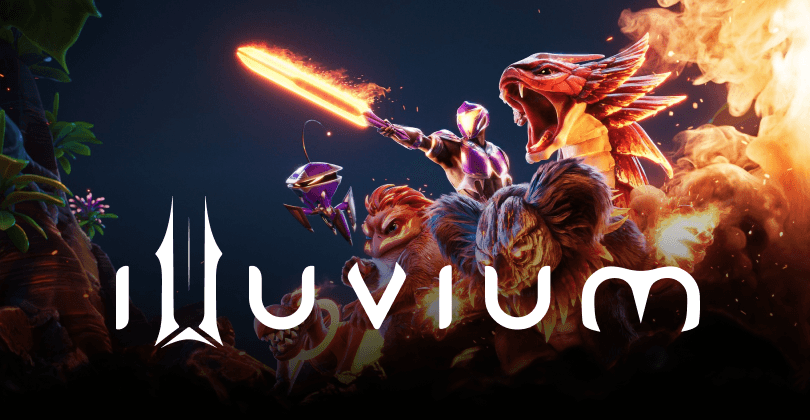
Illuvium open-world asset utility
Illuvium integrates high-fidelity 3D assets directly into gameplay mechanics, moving beyond static collectibles. Each NFT creature possesses unique stats that affect battle outcomes, driving genuine demand for specific traits. This utility-first approach reduces speculative dumping, as players retain assets for competitive advantage. The open-world structure ensures long-term engagement through continuous content updates and strategic depth. -

Gods Unchained trading card liquidity
Gods Unchained offers robust liquidity for digital trading cards, allowing seamless buying and selling on integrated marketplaces. The game’s competitive scene drives consistent demand for rare cards, providing tangible value beyond mere ownership. Players can trade cards for real-world currency, creating a flexible economy. This liquidity ensures that investments remain accessible, reducing the risk of illiquid asset traps common in other NFT games. -
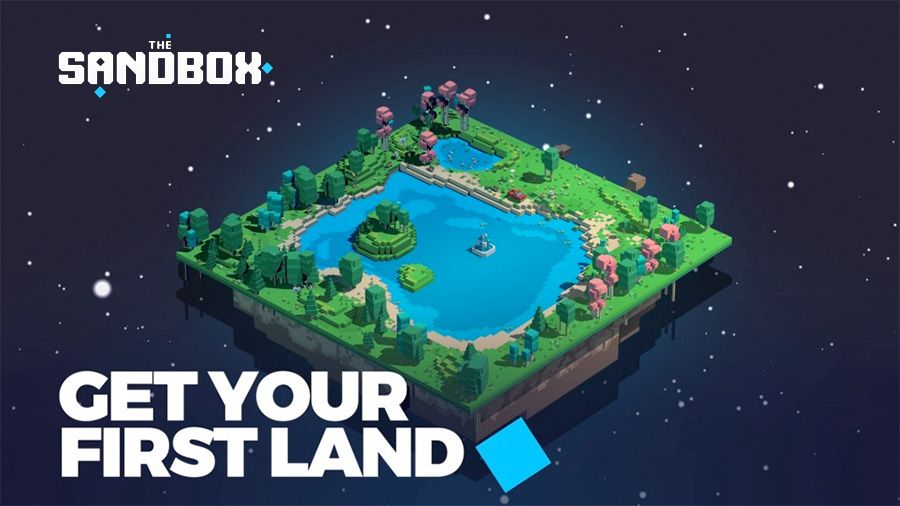
The Sandbox virtual land metrics
The Sandbox virtual land metrics reveal how location and proximity to popular hubs drive asset value. Landowners can monetize spaces through experiences and advertising, creating recurring revenue streams. Analyzing foot traffic and engagement data helps investors identify undervalued parcels. This data-driven approach separates speculative hype from genuine utility, ensuring that land purchases are backed by measurable economic activity and user retention. -
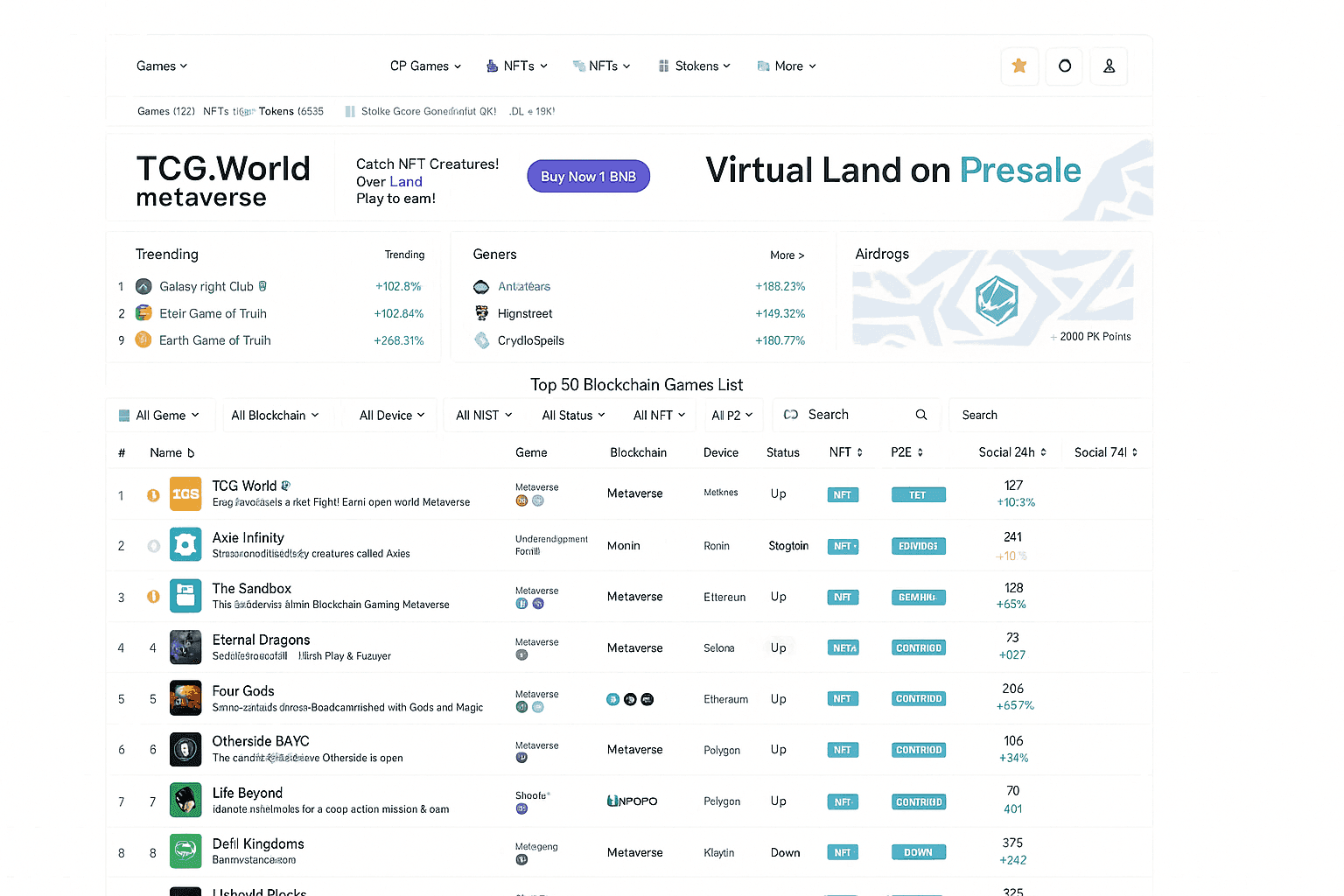
Star Atlas blockchain infrastructure review
Star Atlas leverages high-performance blockchain infrastructure to support complex, large-scale multiplayer interactions. The underlying technology enables seamless asset ownership across multiple game modules, enhancing interoperability. Investors should evaluate the network’s scalability and transaction costs, as these factors directly impact user experience and adoption. A robust infrastructure foundation is critical for sustaining long-term growth and maintaining competitive advantage in the metaverse gaming sector.
Gaming NFTs 2026: The New Reality
The gaming NFT landscape in 2026 has shifted from speculative hype to functional utility. Where the 2021 boom was defined by token speculation and rapid price appreciation, the current market is smaller, more selective, and focused on sustainable play-to-earn models. Trading volumes have stabilized, and success now depends on active user bases rather than abstract financial engineering.
This transition is evident in the projects that have survived the downturn. Titles like Big Time, The Sandbox, and Axie Infinity remain active, but their value proposition has changed. Investors and players are no longer looking for quick flips; they are seeking real ownership of in-game assets that hold utility within established ecosystems. As noted by industry analysts, the speculative mania has largely collapsed, replaced by a quieter but more robust institutional adoption of blockchain-based assets.
The best NFT projects to invest in for 2026 are those with deep liquidity and real-world utility. CryptoPunks and Bored Ape Yacht Club maintain their status due to brand strength, while projects like Pudgy Penguins leverage real-world toy licensing to create tangible value. This shift from pure digital speculation to integrated utility marks the new reality for gaming NFTs.
How to Buy Gaming NFTs Safely
Acquiring gaming NFTs in 2026 requires a disciplined approach to security. The market has shifted from speculative frenzy to a more selective environment where utility and sustainability matter. To protect your capital, you must treat digital assets with the same caution as physical valuables.
Secure Your Storage First
Never store valuable gaming NFTs in a web-based exchange wallet. Use a hardware wallet, such as a Ledger or Trezor, to keep your private keys offline. This physical separation prevents remote hacks from draining your assets. The following devices provide the necessary infrastructure for secure storage.


As an Amazon Associate, we may earn from qualifying purchases.
Choose a Reputable Marketplace
Once your wallet is secured, connect it to established marketplaces. In 2026, platforms like ChainPlay and OpenSea remain primary venues for gaming assets. Verify the contract address of the NFT collection before purchasing. Scammers often create fake copies of popular projects to steal funds. Stick to verified collections with deep liquidity, such as CryptoPunks or Pudgy Penguins, to ensure you can exit your position later.
Verify Contract Authenticity
Before finalizing any transaction, inspect the smart contract on a block explorer. Check the creator’s wallet address against official announcements from the game developers. Gaming NFTs often require interaction with specific game contracts, so ensure you are connecting to the correct interface. A single mistake in contract address can result in permanent loss of funds.
Understand Gas Fees and Network Costs
Gaming NFTs often reside on high-throughput chains like Polygon or Immutable X to minimize transaction costs. However, you still need native tokens (ETH, MATIC, or IMX) to pay for gas fees. Calculate these costs before buying, as network congestion can spike prices. Use a block explorer to check current gas estimates before executing your trade.
| Network | Speed | Avg. Gas Cost |
|---|---|---|
| Ethereum Mainnet | Slow | High ($10-$50+) |
| Polygon | Fast | Low (<$0.01) |
| Immutable X | Instant | Zero (Gasless) |
Market Risks and Volatility
Gaming NFTs operate in a high-stakes environment where liquidity is often the first casualty. Unlike major cryptocurrencies, many gaming tokens and assets lack deep order books, meaning you may own an item that is technically valuable but practically unsellable. This illiquidity risk is particularly acute for newer projects or those with declining player bases. When trading volume dries up, the difference between a listed price and a realized sale price can be substantial, often leaving investors holding assets they cannot convert back to fiat.
Project viability is another critical factor. The NFT gaming sector has seen a significant contraction since the 2021 boom, with many platforms failing to retain users or sustain their token economies. According to recent market analysis, survival beyond the initial hype phase requires genuine utility and active communities, not just speculative interest. Projects like Big Time and The Sandbox have faced scrutiny over their long-term economic models, highlighting the danger of investing in platforms that rely heavily on continuous new user acquisition to maintain value.
It is essential to distinguish between established blue-chip assets and speculative gaming tokens. While collections like CryptoPunks and Bored Ape Yacht Club benefit from deep liquidity and strong brand ecosystems, gaming NFTs often lack this stability. The best NFT projects to invest in for 2026 tend to be those with real-world utility or established brands, rather than those promising high yields from play-to-earn mechanics that have proven unsustainable. Always assess the underlying game’s engagement metrics and token burn mechanisms before committing capital.

No comments yet. Be the first to share your thoughts!