
What defines gaming NFTs in 2026
The gaming NFT landscape in 2026 has shifted from speculative asset flipping to utility-driven play. Unlike the collectible art of the previous cycle, modern gaming NFTs are functional tools within a game’s economy. They represent playable characters, land parcels, or in-game items that hold value because they enhance gameplay, not just because they are rare.
Key trends shaping this new standard include AI-generated content that creates unique, evolving in-game assets and cross-game interoperability, allowing items to move between compatible titles. Economic models have also matured, focusing on sustainable systems where earnings are tied to skill and time invested rather than token inflation.
This evolution distinguishes 2026’s gaming NFTs from the speculative art market. The focus is on creating engaging experiences where ownership matters. As the market stabilizes, projects that prioritize fun and functional utility are surviving, while those relying solely on hype are fading.
Top play-to-earn games to watch
The play-to-earn landscape in 2026 has shifted from speculative trading to sustainable gameplay. Leading titles now prioritize long-term economic stability and engaging mechanics over quick token pumps. Below are the standout blockchain games defining the sector this year.
The Sandbox
The Sandbox remains a cornerstone of the metaverse genre, allowing players to build, own, and monetize gaming experiences. Its economy relies on LAND ownership and the creation of user-generated content, which can be sold as NFTs. Major brands have partnered with the platform to create immersive worlds, driving consistent traffic and utility for its SAND token.
Axie Infinity
Axie Infinity pioneered the play-to-earn model and continues to evolve with its Origin update. The game focuses on strategic team-based battles using NFT creatures called Axies. Earning potential comes from winning battles and completing quests, with rewards distributed in SLP and AXS tokens. The gameplay loop is designed to be engaging even for players not actively seeking income.
Idle Cyber
Idle Cyber offers a streamlined approach to blockchain gaming, combining idle mechanics with sci-fi strategy. Players collect and upgrade cybernetic units to earn rewards passively. The game’s low barrier to entry makes it accessible to casual gamers, while its tokenomics provide a steady income stream for dedicated players. Its simplicity allows for quick sessions without demanding constant attention.
Alien Worlds
Alien Worlds operates as a decentralized metaverse where players mine Trilium (TLM) on various planets. The game integrates DeFi elements, allowing users to stake tokens and participate in planetary governance. Its unique aspect is the cross-chain compatibility, enabling interactions across multiple blockchain networks. This accessibility has kept it relevant as a low-stakes entry point for new blockchain users.
Comparison of Top Games
| Game | Genre | Primary Blockchain | Earning Model |
|---|---|---|---|
| The Sandbox | Metaverse | Ethereum | LAND sales, Creator Fund |
| Axie Infinity | Strategy | Ronin | Battle rewards, Staking |
| Idle Cyber | Idle/Strategy | Ethereum | Passive token mining |
| Alien Worlds | Mining/DeFi | WAX, BSC | TLM mining, Governance |
These titles represent the most robust ecosystems in 2026. Each offers a distinct entry point, whether through creative building, strategic combat, or passive income. Players should choose based on their preferred gameplay style and risk tolerance.
How AI Generates Game Assets
Artificial intelligence has shifted from a novelty to a foundational tool in game development. By automating the creation of unique, verifiable in-game items, AI allows studios to build expansive virtual economies without the bottleneck of manual asset production. This shift directly reduces development costs while enabling dynamic, player-driven markets that were previously too expensive to sustain.
Generative models now create everything from weapon textures to complex character skins. Instead of artists drawing every variation of a sword, an AI system can generate thousands of distinct variants based on specific rarity parameters. Each of these assets is minted as an NFT, ensuring its uniqueness and ownership are recorded on the blockchain. This process transforms static game content into a fluid, evolving inventory that responds to player demand.
The economic impact is significant. Traditional development requires massive upfront investment in art and design. AI-driven pipelines lower this barrier, allowing smaller teams to launch games with rich, diverse worlds. As these assets circulate in secondary markets, they create liquidity for players. The result is a more resilient gaming ecosystem where value is generated through continuous content creation rather than one-time launches.
Understanding digital asset ownership
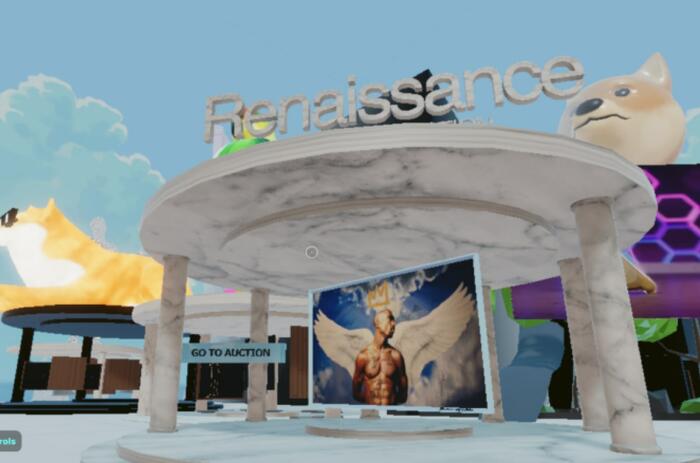
True ownership in blockchain gaming means you hold the keys, not the developers. When you buy a digital sword or a virtual land plot, you are purchasing a token on a public ledger that proves your control. This is different from traditional gaming, where you only license the right to use an item within a closed ecosystem. If the game shuts down, those items vanish. With blockchain assets, they remain in your wallet regardless of the game's status.
This shift introduces two major capabilities: tradeability and interoperability. Tradeability allows you to sell your assets on secondary markets for real value, turning gameplay into a potential income stream. Interoperability is the more ambitious goal—using an asset across different games. Imagine a character skin earned in one title being recognized in another. While full cross-game utility is still evolving, the infrastructure is being built to support this vision.
Player control is the core of this model. You decide when to hold, sell, or use your assets. There are no server-side locks preventing you from moving your inventory. This transparency builds trust, as seen in projects like The Sandbox, which has long emphasized player ownership as its foundation. As the market matures, these features are moving from marketing hype to standard expectations for blockchain titles.
Common questions about gaming NFTs
Are gaming NFTs still profitable in 2026? The market shifted from speculation to utility. While the 2021 frenzy is gone, stable trading volumes and institutional adoption have created a more structured environment for sustainable play.
What are the top gaming NFT projects right now? Leading titles include The Sandbox, Axie Infinity, and Idle Cyber. These platforms focus on sustained player engagement rather than short-term token pumps.
Which NFTs have the strongest brand ecosystems? Projects like Bored Ape Yacht Club and Pudgy Penguins leverage real-world licensing and community building to maintain value beyond the blockchain.
No comments yet. Be the first to share your thoughts!