
5 Gaming NFTs to Watch in 2026: AI-Driven Play-to-Earn Trends
The convergence of generative AI and blockchain infrastructure is reshaping play-to-earn mechanics in 2026, introducing dynamic economies that demand rigorous due diligence. This analysis highlights five specific projects leveraging official AI-driven protocols, focusing on tangible gameplay features rather than speculative hype. Readers should evaluate these assets as emerging trends within a high-volatility market, keeping in mind that past performance does not guarantee future returns.
-
playa3ull: multi-game ecosystem
Playa3ull distinguishes itself by aggregating multiple gaming experiences into a single interoperable ecosystem. By leveraging AI to manage cross-game asset liquidity, it reduces the fragmentation typical of Web3 gaming. This approach allows players to utilize earned assets across different titles, creating a more cohesive play-to-earn model that prioritizes utility over isolated token speculation. -

axie infinity: p2e pioneer
As the original play-to-earn heavyweight, Axie Infinity continues to evolve its economic model to sustain player engagement. The project focuses on refining its battle mechanics and tokenomics to ensure long-term viability beyond its initial viral surge. Investors watch its adaptation to market shifts, particularly its efforts to balance entry costs with earning potential for new participants entering the ecosystem. -
the sandbox: virtual land play
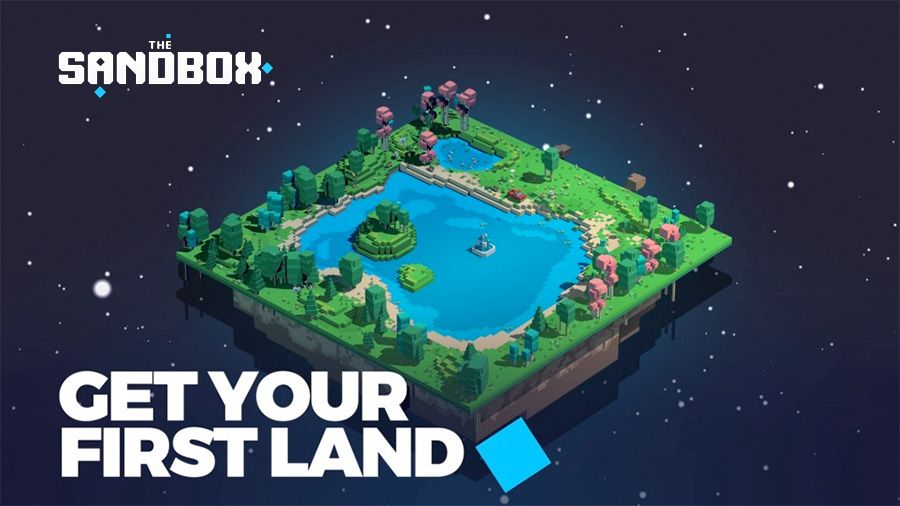
The Sandbox positions virtual real estate as a core investment vehicle, attracting major brands seeking digital presence. Its creator tools enable users to build experiences that drive traffic and value to owned LAND parcels. This brand-driven adoption differentiates it from pure gaming titles, offering a hybrid model where real estate utility and entertainment intersect within a persistent virtual world. -
alien worlds: resource mining
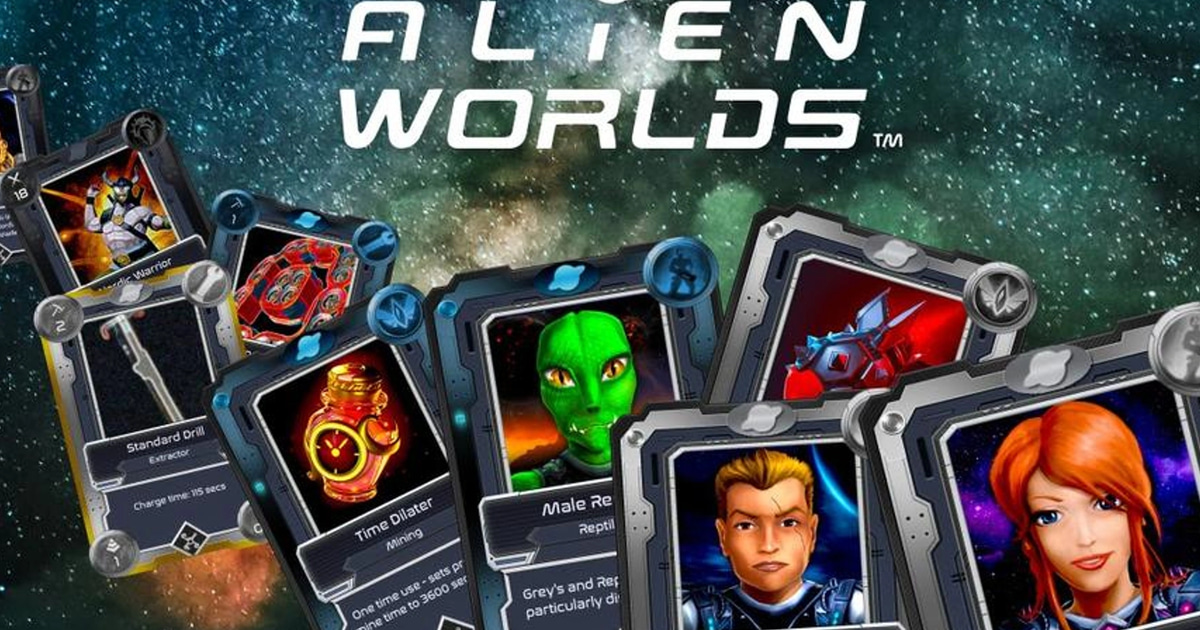
Alien Worlds simplifies the play-to-earn formula through straightforward resource mining mechanics across multiple blockchain networks. Players use NFT tools to extract Trilium, engaging in a low-barrier entry model that emphasizes passive earning potential. Its multi-chain presence allows for diverse staking opportunities, making it a testbed for cross-chain governance and decentralized autonomous organization dynamics. -

illuvium: high-fidelity graphics
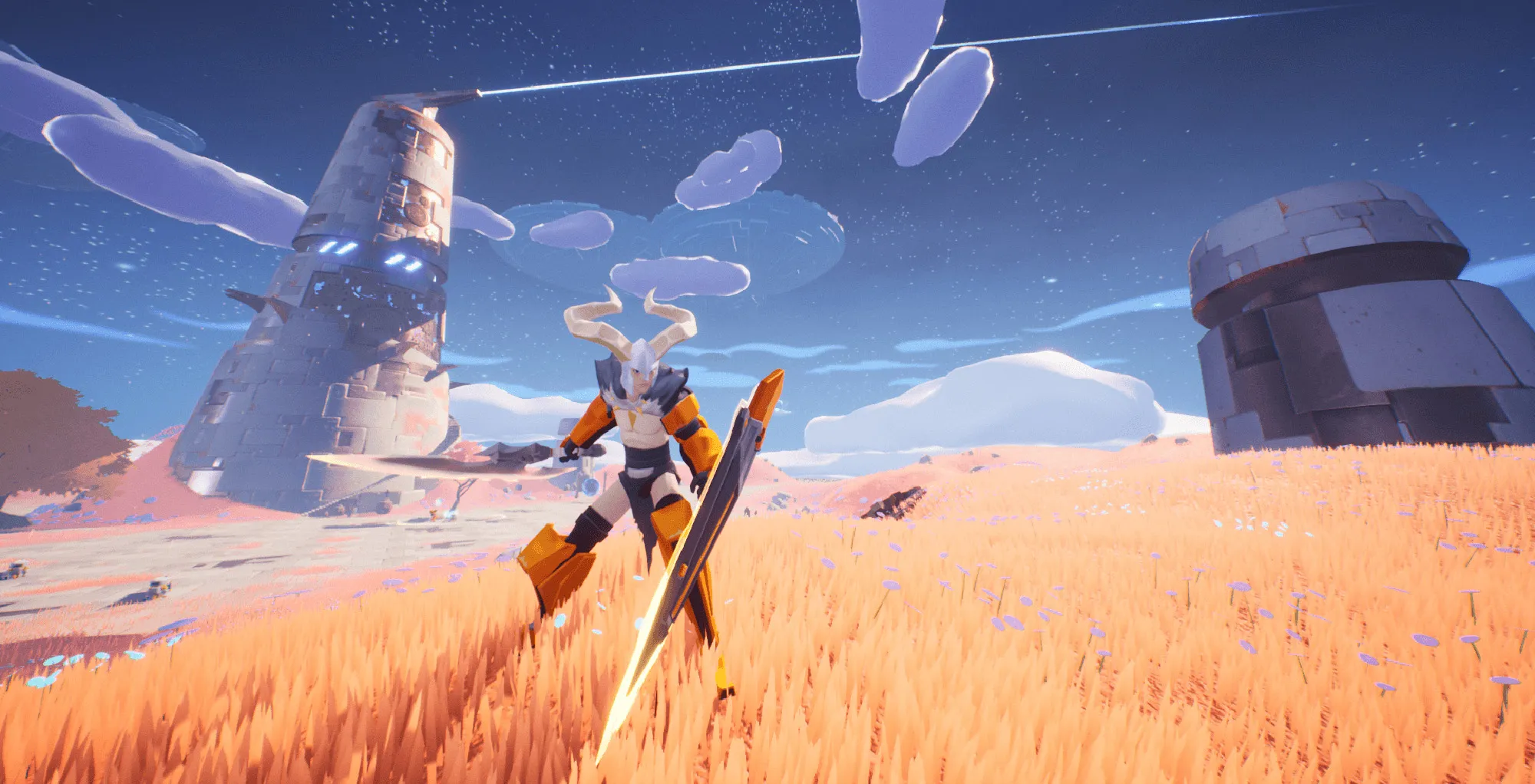
Illuvium targets the traditional gaming audience with AAA-quality graphics and complex RPG elements. Its auto-battler combat system requires strategic team building using NFT creatures, appealing to players who prioritize visual fidelity and deep gameplay mechanics. The project aims to bridge the gap between casual crypto gaming and mainstream console experiences through technological advancement.
Gaming NFTs 2026: Market Shift
The gaming NFT landscape in 2026 has shed its speculative skin. What was once a boom driven by hype and quick flips has matured into a utility-focused ecosystem. The market is now smaller and more selective, with trading activity concentrated among projects that offer tangible gameplay value rather than just digital collectibles.
This shift is evident in the market's projected trajectory. According to Intel Market Research, the gaming NFT market is expected to grow from USD 12.85 billion in 2026 to USD 92.00 billion by 2034, reflecting a compound annual growth rate (CAGR) of 28.1%. This steady, long-term growth suggests that investors and players are looking for sustainable ecosystems rather than short-term gains.
The current environment favors projects that integrate AI-driven mechanics to enhance play-to-earn dynamics. Instead of static assets, successful titles now feature dynamic NFTs that evolve based on player behavior and AI-generated narratives. This integration ensures that the assets retain value through active utility, not just scarcity.
As we look at the specific projects to watch, it is important to approach them with caution. The high-stakes nature of this market means that volatility remains a constant factor. These picks are framed as projects demonstrating strong technological and community foundations, not as guaranteed investment opportunities. The focus here is on identifying where the real innovation in AI-driven gaming is heading.
Compare top gaming NFT picks
Choosing a play-to-earn project requires weighing gameplay engagement against token stability. The following comparison highlights five distinct gaming NFTs to watch in 2026, focusing on their core mechanics and underlying blockchain infrastructure.
| Project | Gameplay | Blockchain | Primary Utility |
|---|---|---|---|
| Axie Infinity | Turn-based battler | Ethereum | Character ownership |
| Alien Worlds | Resource mining | WAX | Land governance |
| The Sandbox | Metaverse creation | Ethereum | Virtual real estate |
| Playa3ull | Multi-game ecosystem | Polygon | Cross-game token |
| Pudgy Penguins | Collectible RPG | Ethereum | Brand licensing |
While Axie Infinity remains the most recognized name, newer entrants like Playa3ull are attempting to solve retention issues by linking multiple games to a single token economy. Meanwhile, projects with real-world utility, such as Pudgy Penguins, are diversifying beyond pure digital speculation.


As an Amazon Associate, we may earn from qualifying purchases.

No comments yet. Be the first to share your thoughts!