
5 Gaming NFTs to Watch in 2026: AI-Driven Play-to-Earn Assets
The gaming NFTs 2026 landscape has shifted from speculative trading cards to functional assets. Popularity is no longer measured by floor price alone, but by daily active users and tangible in-game utility. Players are holding items that grant competitive advantages, exclusive cosmetics, or access to specific game modes rather than just hoping for a market rebound.
Here are the five specific titles leading this charge, selected for their distinct AI integration and sustainable economic models.
1. Illuvium: Dynamic NPC Behavior
Illuvium distinguishes itself through its open-world RPG structure where AI drives the ecosystem. Instead of static enemies, NPCs exhibit dynamic behavior patterns that change based on player interaction and time of day. This procedural generation ensures that every encounter feels unique, making captured Illuvials (NFTs) valuable not just for their stats, but for their rarity within a living, breathing world. The game runs on PC and Mobile, offering high-fidelity graphics that showcase the power of modern GPU rendering.
2. Big Time: AI-Driven Dungeon Generation
Big Time leverages AI to create procedurally generated dungeons that adapt to player skill levels. This means NFTs used within the game—such as weapons and cosmetics—are tested in varied environments, ensuring their utility remains relevant. The earning model is tied to quest completion and dungeon runs, rewarding players for active engagement rather than passive holding. Available on PC via Steam, it bridges the gap between traditional gaming accessibility and Web3 ownership.
3. Star Atlas: Autonomous Fleet Management
Star Atlas offers a deep space strategy experience where AI manages autonomous fleet movements and trade routes. NFTs here represent spaceships and planets, with their value derived from their ability to generate resources and engage in combat. The AI agents handle complex logistical tasks, allowing players to focus on high-level strategy. This model appeals to players who prefer resource management and economic simulation over reflex-based combat.
4. Parallel: Adaptive Enemy Tactics
Parallel is a digital collectible card game where AI opponents adapt to your deck strategy in real-time. This adaptive difficulty ensures that NFT cards remain viable in competitive play, as the AI constantly evolves to counter popular strategies. The game’s economy is driven by card battle rewards, and its cross-platform support (PC and Mobile) makes it accessible to a broad audience. The focus on competitive integrity makes it a top pick for strategy enthusiasts.
5. Ember Sword: Smart Contract-Driven Land Economy
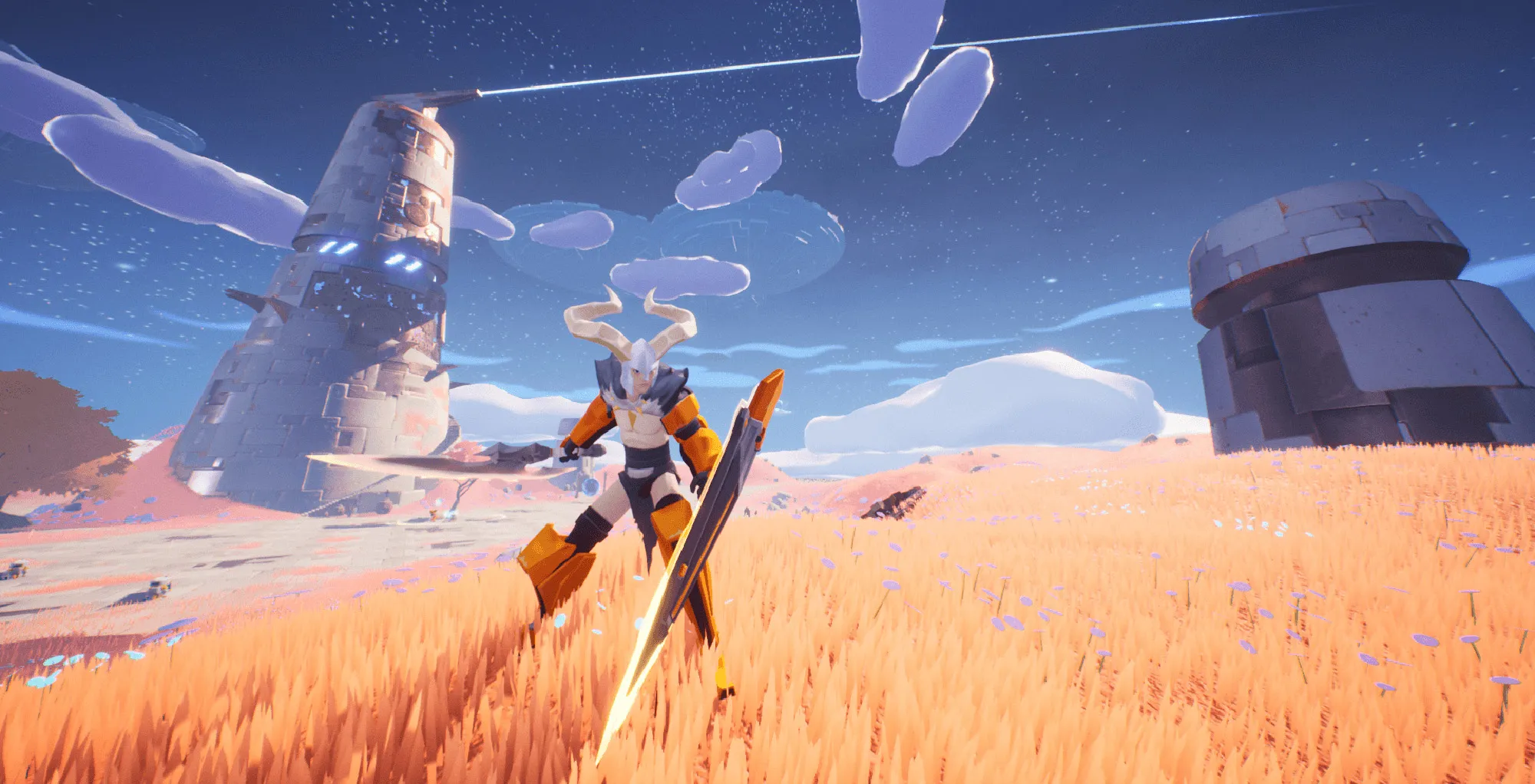
Ember Sword emphasizes a player-driven economy where land ownership is central. While it features less direct AI intervention in core combat, its smart contracts automate land transactions and resource distribution, reducing friction for players. NFTs represent land parcels and cosmetic items, with value tied to location and scarcity within the game’s world. This model is ideal for players interested in community building and long-term economic participation.
How gaming NFTs evolved in 2026
The gaming NFTs 2026 landscape looks nothing like the speculative trading frenzy of previous years. In 2026, NFTs have quietly evolved from speculative collectibles into functional digital assets. The market has shed its "overpriced art" reputation, replacing empty hype with tangible utility that players actually want to use.
Today’s assets are built with AI integration at their core. Instead of static images that sit in a wallet, these tokens represent dynamic in-game items that grant specific advantages, cosmetic upgrades, or exclusive access. This shift from "hope for appreciation" to "immediate utility" is what gives gaming NFTs with real in-game utility their current resilience.
This evolution sets the stage for the five titles we are watching. These games succeed because they treat NFTs as tools for gameplay rather than lottery tickets, ensuring that the digital items hold value through function, not just scarcity.
Comparing AI Utility Across Top Picks
Choosing the right gaming NFTs 2026 requires matching your playstyle with the underlying AI mechanics. Not all play-to-earn models are equal; some rely on passive grinding, while others demand active strategic engagement driven by intelligent agents. The following comparison breaks down five leading titles based on their AI features, earning potential, and platform support.
| Game Title | AI Utility | Earning Model | Platform Support |
|---|---|---|---|
| Illuvium | Dynamic NPC behavior & procedural terrain | Battle-based NFT drops | PC, Mobile |
| Big Time | AI-driven dungeon generation | Quest completion rewards | PC (Steam) |
| Star Atlas | Autonomous fleet management | Space trade & combat | PC, Web3 |
| Parallel | Adaptive enemy tactics | Card battle rewards | PC, Mobile |
| Ember Sword | Smart contract-driven land economy | Land ownership & trading | PC, Web3 |
Each title offers a distinct entry point. Illuvium and Parallel focus on high-skill competitive play where AI opponents adapt to your strategy. Big Time and Star Atlas lean into exploration and resource management, using AI to create unique environments. Ember Sword emphasizes community-driven economies with less direct AI intervention in core gameplay loops.
Hardware Recommendations
To fully experience the graphical fidelity and network responsiveness these AI-driven games require, consider upgrading your gaming setup. Below are recommended peripherals and hardware components often associated with high-performance Web3 gaming experiences.


As an Amazon Associate, we may earn from qualifying purchases.

No comments yet. Be the first to share your thoughts!