
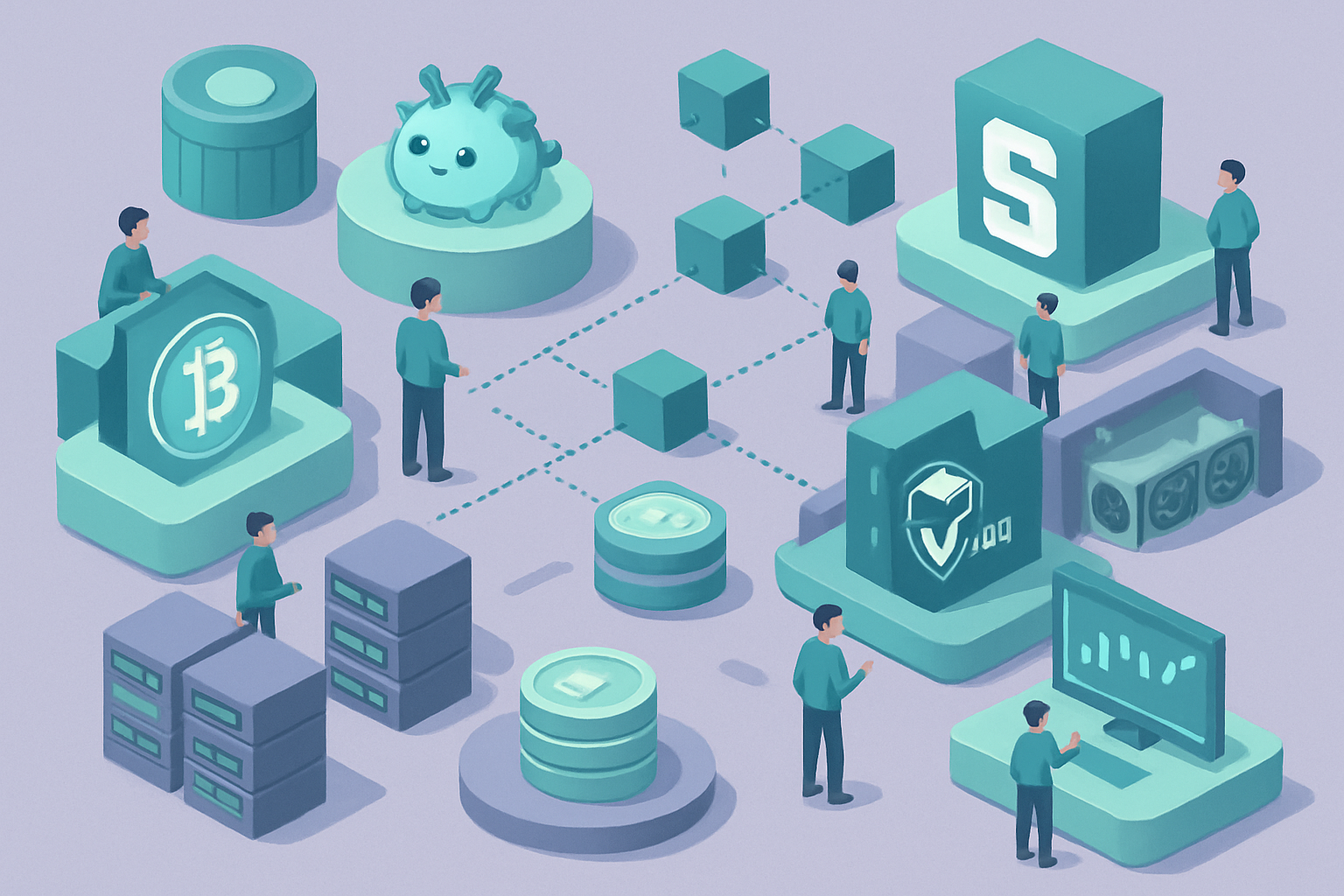
The gaming industry is undergoing a seismic shift as NFT-based economies redefine in-game asset ownership and empower players in play-to-earn (P2E) ecosystems. Unlike traditional games, where developers retain ultimate control over digital items, blockchain-powered titles now grant players true, verifiable ownership of assets through non-fungible tokens (NFTs). This innovation is not just a technological upgrade; it is fundamentally transforming how value is created, exchanged, and realized within virtual worlds.
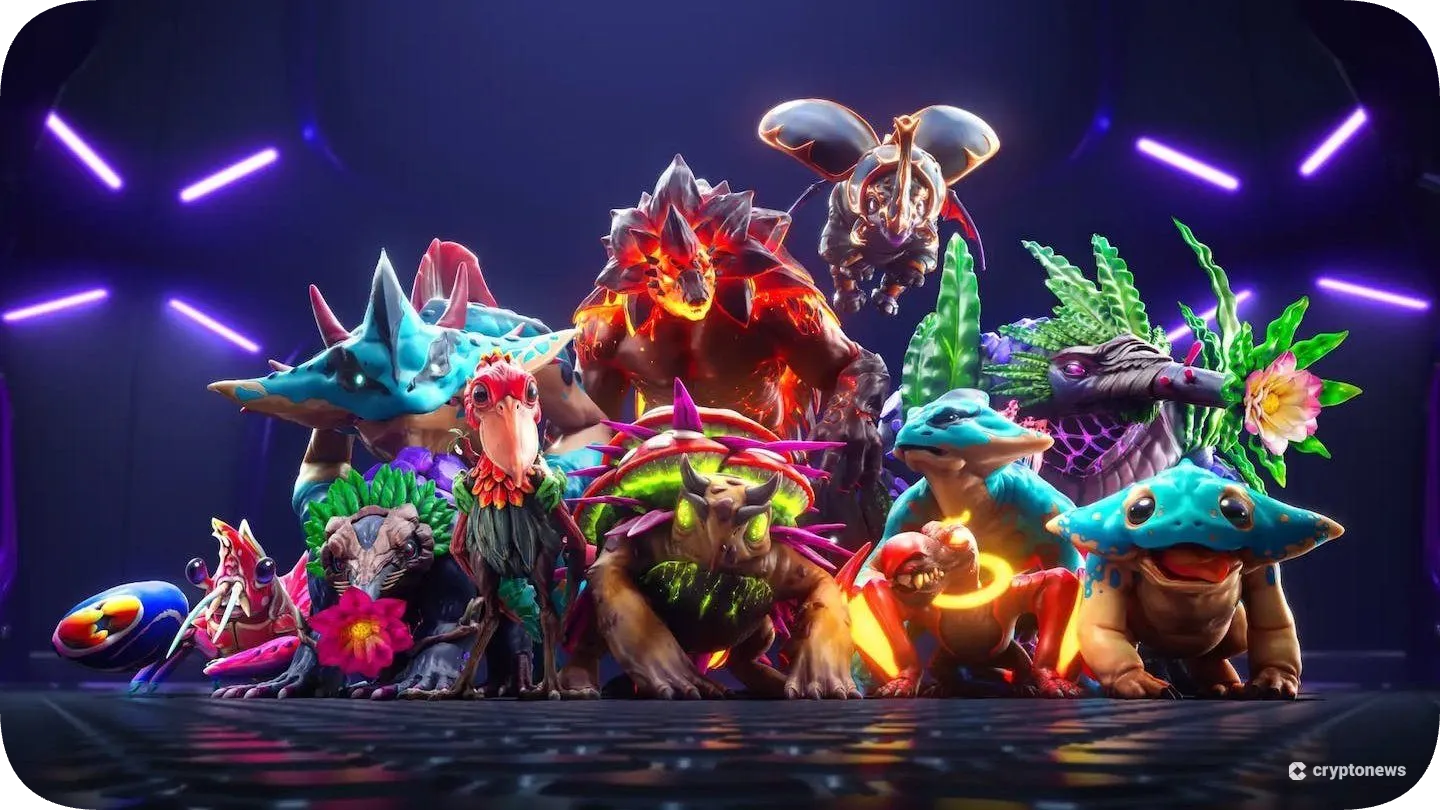
The Mechanics of NFT-Based In-Game Asset Ownership
At the core of this revolution lies the concept of tokenized in-game assets. By minting weapons, characters, land parcels, and collectibles as NFTs on public blockchains, games like Axie Infinity, Gods Unchained, The Sandbox, Illuvium, and Star Atlas have established player-driven economies that operate with transparency and security. Unlike conventional game items that are locked to user accounts and subject to developer policies or server shutdowns, NFTs are portable, tradeable, and resistant to censorship.
This shift has enabled the rise of robust secondary markets. Players can now buy, sell, or rent their assets on open marketplaces without restrictions imposed by central authorities. The result is an ecosystem where time spent gaming can translate into real-world economic value - a key driver behind the explosive growth of P2E models. For an in-depth analysis of how these models function within blockchain games, see our dedicated guide on blockchain marketplaces in play-to-earn gaming.
Pioneers Shaping NFT-Based Economies: Five Standout Games
Top 5 Blockchain Games Leading NFT-Based Economies
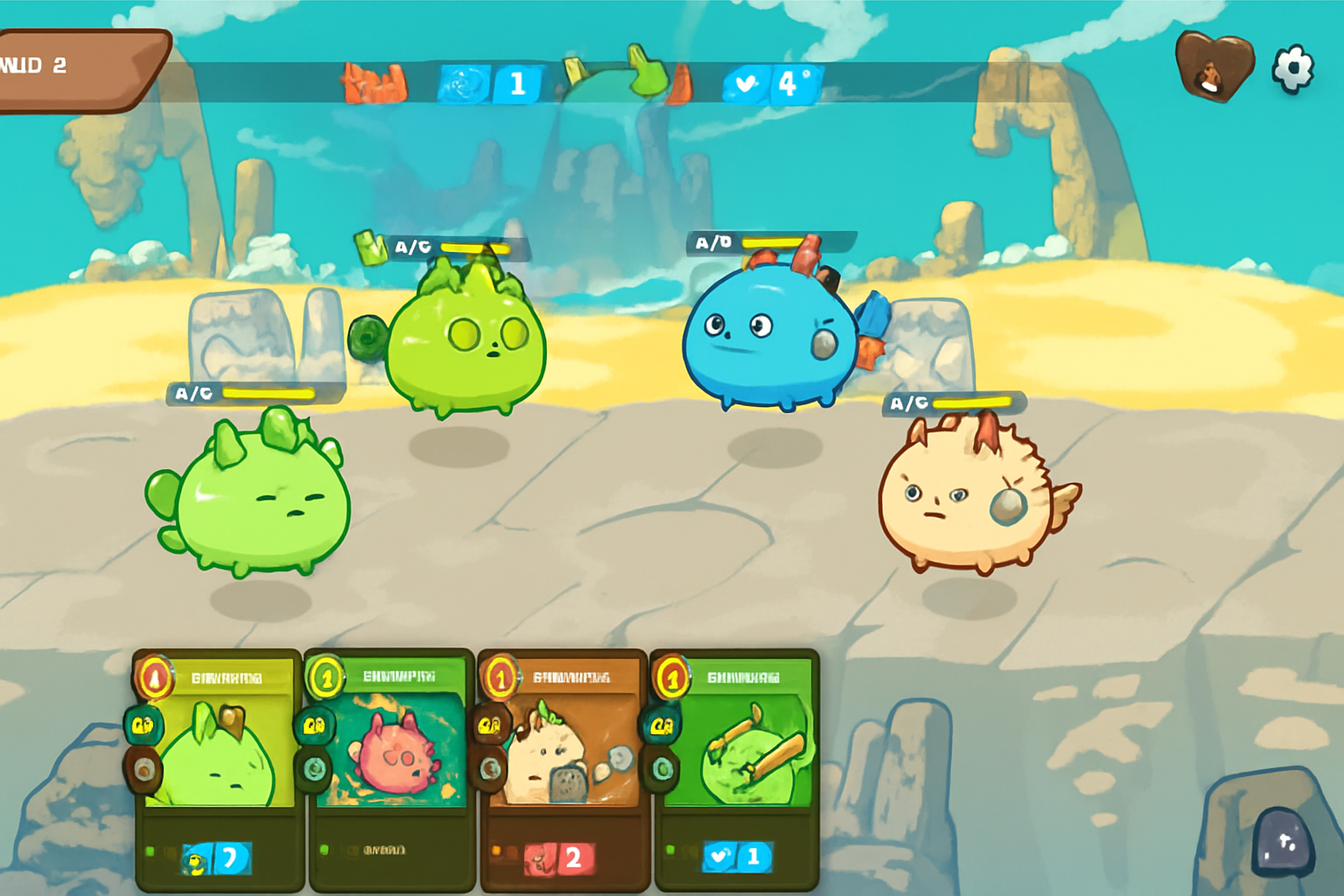
- Axie Infinity revolutionized play-to-earn gaming by allowing players to collect, breed, and battle NFT creatures called Axies. Each Axie is a unique NFT that can be traded or sold on the game's marketplace, giving players true ownership and the ability to monetize their gameplay efforts.
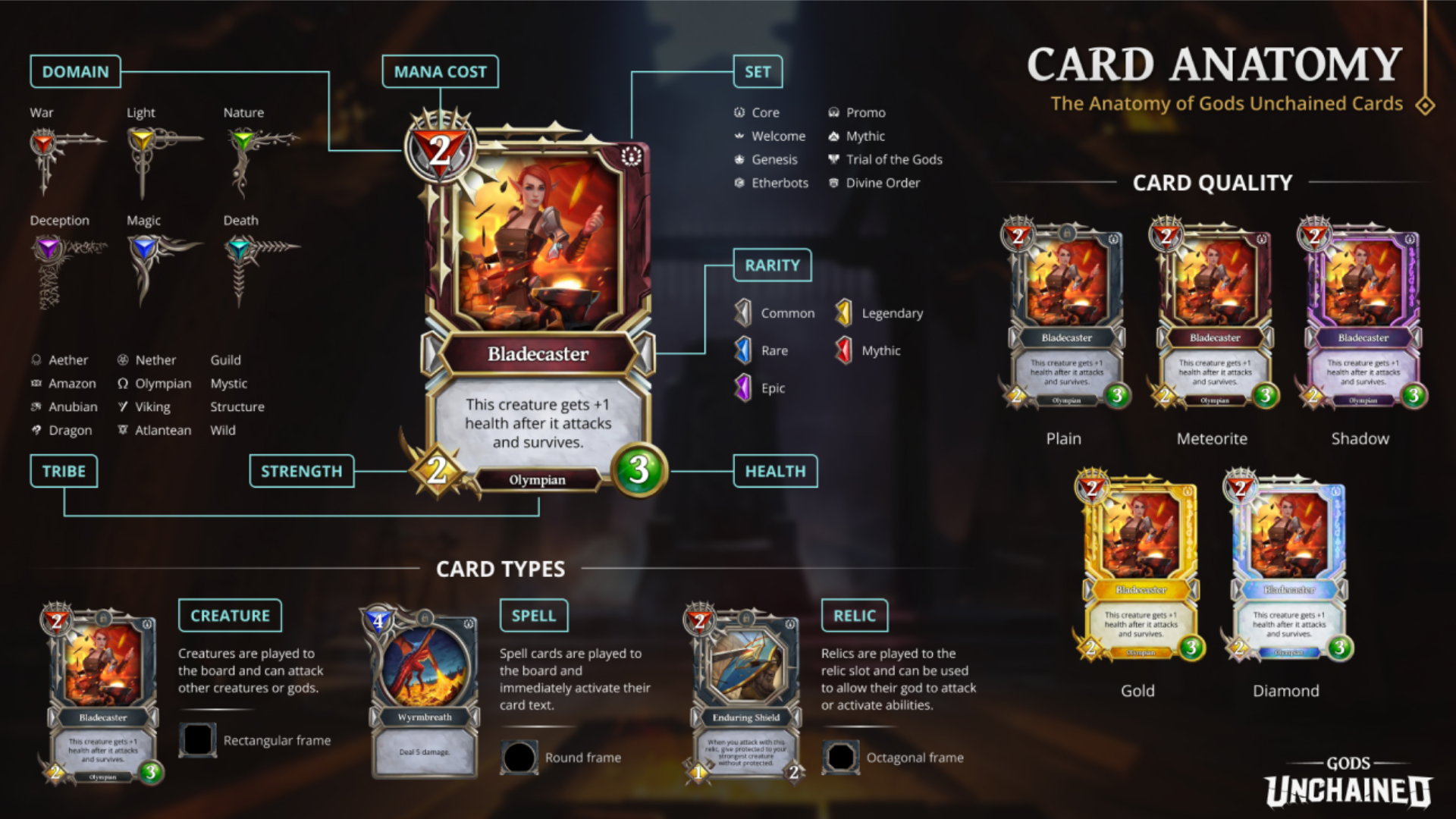
- Gods Unchained is a competitive trading card game where each card is an NFT, enabling players to own, trade, and sell their cards outside the game. Its robust marketplace and play-to-earn mechanics empower players to earn real value through strategic gameplay.
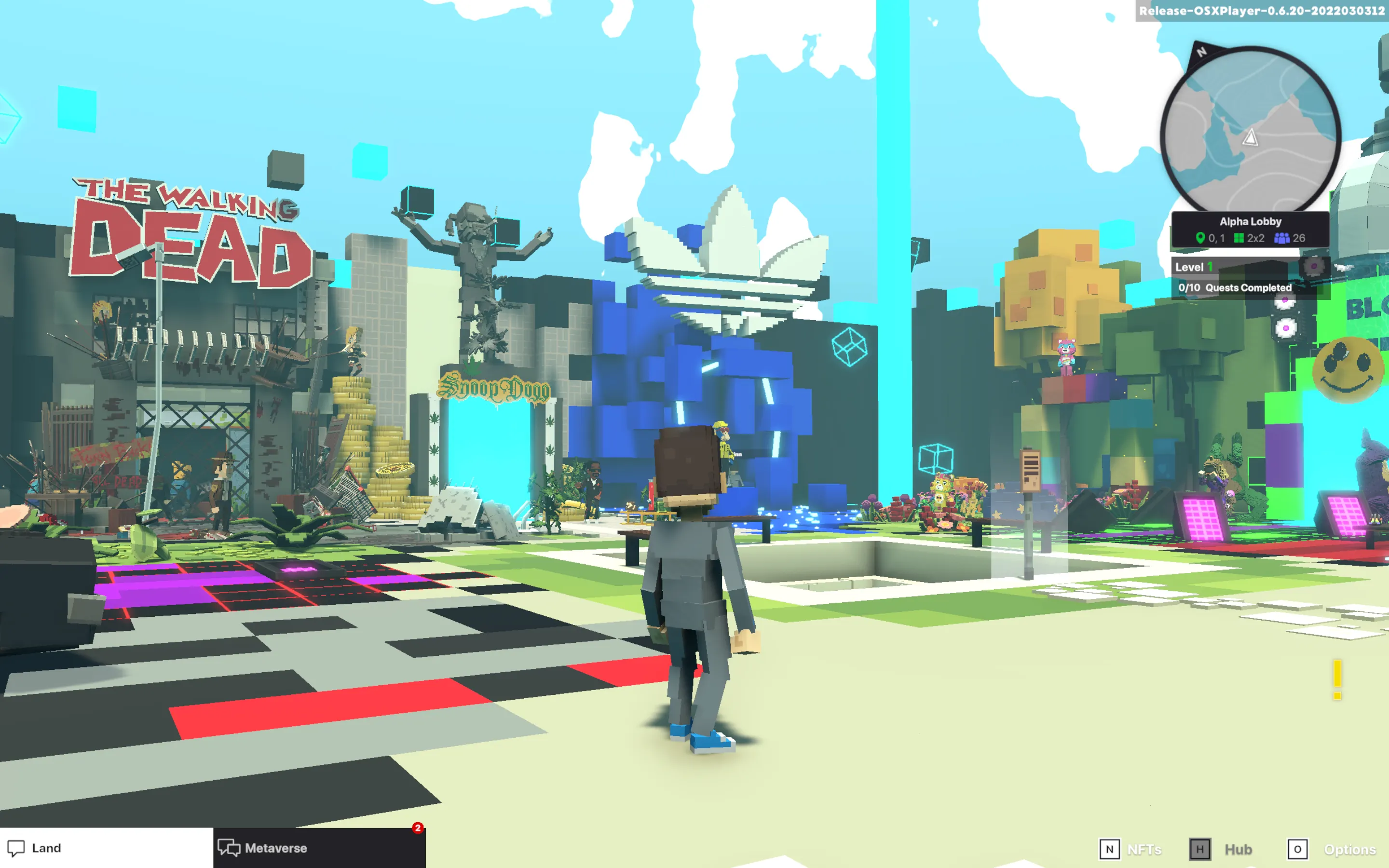
- The Sandbox offers a virtual world where users can create, own, and monetize digital assets and experiences as NFTs. Players purchase land, build games, and trade assets, establishing a player-driven economy built on blockchain technology.
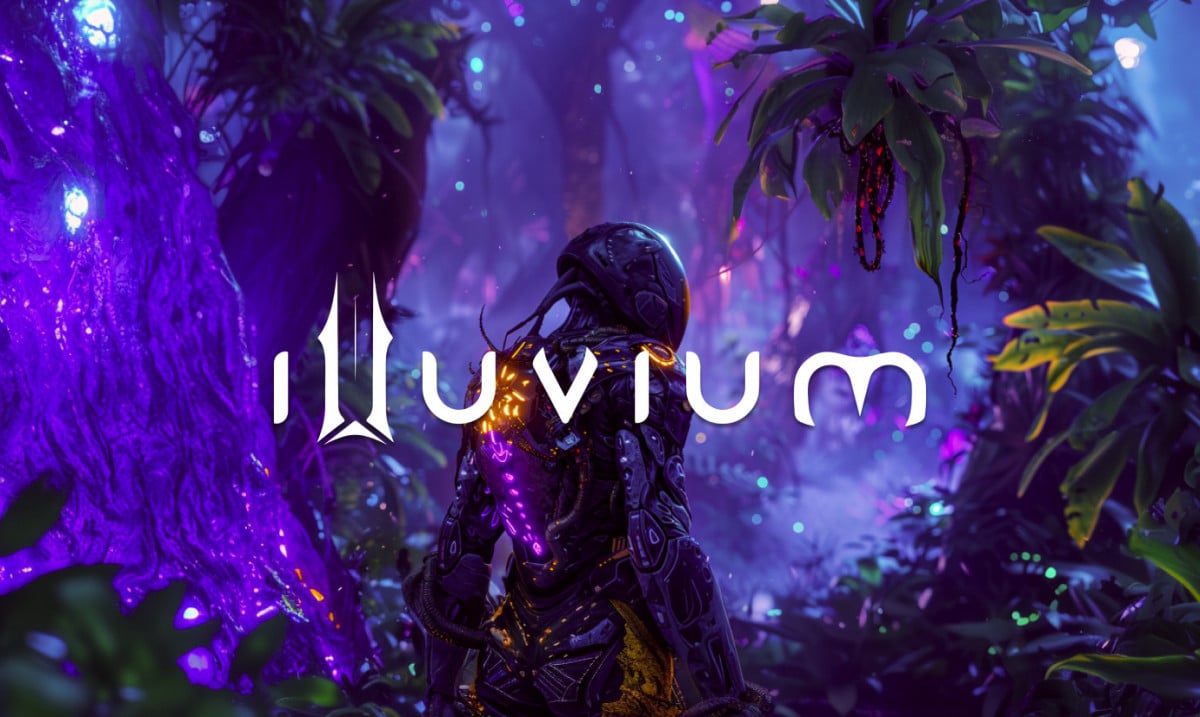
- Illuvium is an open-world RPG and auto-battler where players capture, collect, and trade NFT creatures called Illuvials. Its decentralized marketplace and play-to-earn structure provide gamers with verifiable ownership and opportunities to earn through gameplay.
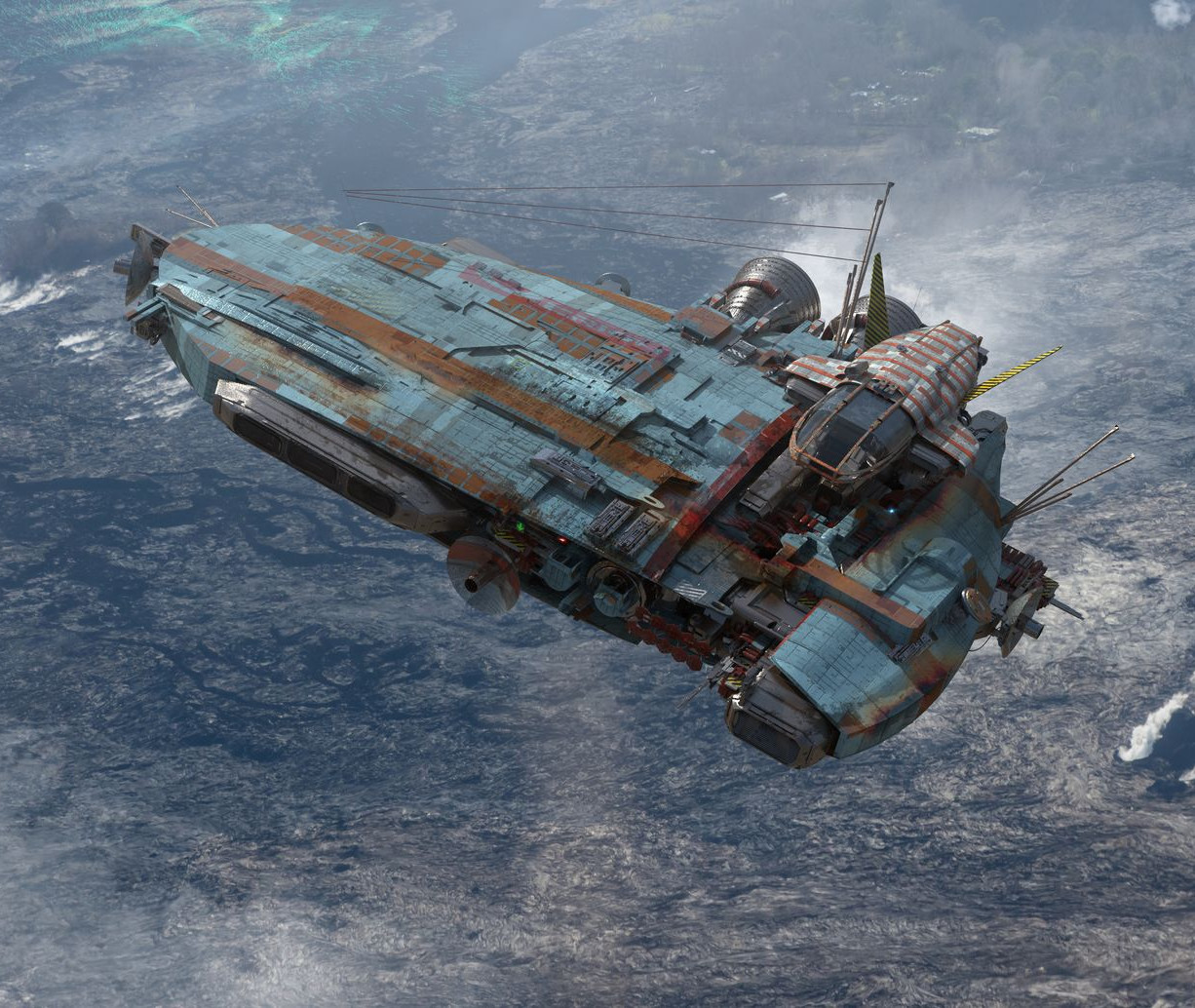
- Star Atlas is a space-themed strategy game that leverages NFTs for ships, land, and resources, allowing players to truly own and trade in-game assets. Its immersive universe and blockchain economy exemplify the future of NFT-based asset ownership in gaming.
Let’s examine five flagship titles that exemplify the power and potential of NFT-based economies:
- Axie Infinity: Often cited as the poster child for P2E gaming, Axie Infinity lets players collect and battle fantasy creatures called Axies - each represented as a unique NFT. The thriving Axie marketplace enables users to monetize gameplay by breeding and selling rare Axies or earning SLP tokens through battles.
- Gods Unchained: This trading card game mints every card as an NFT on Ethereum. Players truly own their decks and can freely trade cards on secondary markets. The rarity and utility of cards drive market dynamics similar to physical collectible card games but with global liquidity.
- The Sandbox: A metaverse platform where land parcels (LAND), avatars, equipment, and even game experiences are tokenized as NFTs. Users build worlds or monetize creations through sales or rentals - blurring the line between player and creator.
- Illuvium: Featuring high-fidelity graphics and immersive gameplay, Illuvium’s creatures (Illuvials) are collectible NFTs that can be battled or traded. Its decentralized governance ensures that players influence economic policies within its universe.
- Star Atlas: A space-themed MMO where ships, resources, crew members - virtually every asset - exist as NFTs on Solana. This structure supports complex economic interactions such as resource extraction, trading routes, and interstellar combat for rewards.
NFT Marketplaces: The Engine Driving Player Economies
NFT marketplaces have become the backbone of these new economies by enabling seamless peer-to-peer trade without intermediaries. Liquidity for rare items increases price discovery efficiency while lowering barriers for new entrants seeking to participate in economic activity. For example:
- The Sandbox’s marketplace allows creators to monetize voxel assets or virtual land directly.
- Axie Infinity’s internal exchange facilitates smooth swapping between Axies and native tokens like SLP or AXS.
- Gods Unchained leverages Immutable X for gas-free transactions - a critical factor for mass adoption.
This infrastructure underpins the transition from closed-loop systems to open economies where scarcity and demand dictate value rather than arbitrary developer interventions.
The Economic Impact: Monetization Meets Gameplay
The integration of NFTs has introduced new monetization models that reward skillful play with tangible returns. In these environments:
- Earning potential is democratized: Success depends more on strategy or creativity than upfront spending alone.
- Diversified revenue streams emerge: Players profit not only from winning matches but also from breeding rare assets (Axie Infinity), creating sought-after land parcels (The Sandbox), or speculating on future asset utility (Star Atlas).
- Ecosystem sustainability improves: With transparent smart contracts governing supply mechanics and royalties flowing back to creators or DAOs (as seen in Illuvium), incentives align for both players and developers over the long term.
However, the rapid expansion of NFT-based economies is not without its complexities. As value flows into these digital assets, regulatory scrutiny has increased. The U. S. Treasury Department’s recent recommendations around fraud and money laundering risk in NFTs underscore the need for robust compliance frameworks within these gaming ecosystems. Legal clarity will be essential for mainstream adoption, especially as high-profile disputes, such as the DraftKings and NFL Players Association lawsuit, highlight the evolving intersection of intellectual property and blockchain gaming.
How Top Blockchain Games Empower Players
Each of the five flagship games demonstrates a unique approach to asset ownership and player empowerment:
- Axie Infinity has established a play-to-earn economy where players’ digital labor translates directly into real-world income streams. The ability to trade Axies on open markets gives users unprecedented agency over their in-game investments.
- Gods Unchained leverages NFT technology to bring true scarcity and ownership to digital cards, allowing players to retain value even if they leave the game ecosystem. Its gas-free trading via Immutable X addresses one of the most significant barriers to entry for new users.
- The Sandbox reimagines virtual land as an NFT-backed commodity, fostering a creator economy where user-generated content can be bought, sold, or developed collaboratively. This model blurs traditional boundaries between player, developer, and entrepreneur.
- Illuvium advances decentralized governance by letting players participate in economic decision-making through DAOs. This not only aligns incentives but also ensures that the game’s evolution reflects community interests.
- Star Atlas pushes the envelope with a vast metaverse that rewards strategic resource management and exploration. Here, every ship or crew member’s NFT status enables complex economic interactions beyond simple asset trading.
The common thread among these projects is their commitment to player-driven economies. By granting users control over scarce digital resources, these games foster more engaged communities and dynamic secondary markets. Instead of being locked into walled gardens, players now participate as stakeholders in evolving virtual societies.
Challenges and Future Outlook
The future trajectory of NFT-based economies will depend on several factors:
- Sustainable economic design: Avoiding inflationary pressures (as seen with some early P2E models) requires careful balancing of asset issuance and utility.
- User experience: Streamlining onboarding processes, such as wallet creation and fiat onramps, will be critical for attracting mainstream gamers who may not be familiar with blockchain technology.
- Regulation: Clear legal guidelines around digital ownership rights and anti-fraud measures will provide both protection for players and legitimacy for developers.
The innovation on display in Axie Infinity, Gods Unchained, The Sandbox, Illuvium, and Star Atlas signals that we are only at the beginning of what is possible when NFTs underpin gaming economies. These platforms are not just entertainment products; they are proving grounds for new economic models that could influence how value is created and exchanged far beyond gaming itself.
If you’re interested in diving deeper into how play-to-earn mechanics are reshaping virtual worlds, and what this means for investors or developers, explore our related analysis at how play-to-earn NFT games are shaping virtual economies in 2024.


No comments yet. Be the first to share your thoughts!