Why gaming NFTs changed in 2026
The era of "play-to-earn" has effectively ended. Where early blockchain games promised financial returns that often outweighed the joy of playing, the market has corrected. The speculative bubble burst, leaving behind a slimmer, more functional industry. In 2026, gaming NFTs are no longer treated as speculative stocks; they are functional digital assets integrated directly into the game loop.
This shift from earning to owning centers on utility. Players now acquire skins, land, or governance tokens because they enhance the gameplay experience, not because they expect to flip them for quick profit. This change has stabilized the market, with the global NFT gaming market projected to grow from USD 7.63 billion in 2026, driven by genuine player retention rather than hype [Fortune Business Insights].
The focus is now on sustainable mechanics. Games that survived the crash built economies where assets have real value within the game itself. A sword is valuable because it helps you defeat a boss, not because the token price might double tomorrow. This approach aligns developer incentives with player enjoyment, creating a healthier ecosystem for long-term engagement.
Best play-and-own games to try now
The gaming NFT market in 2026 has moved past the speculative frenzy of 2021. The focus has shifted from "play-to-earn" mechanics that often resembled jobs to "play-and-own" ecosystems where digital assets hold genuine utility within the game. Players now retain ownership of in-game items, land, and characters that can be traded or used across different platforms. This section highlights the leading titles that define this new standard, prioritizing sustainable mechanics and player retention over fleeting earning potential.
The following comparison outlines the core features of the most prominent play-and-own games. Each title offers a distinct approach to digital ownership, whether through virtual land management, character breeding, or strategic combat.
| Game | Genre | Blockchain | Primary NFT Utility |
|---|---|---|---|
| The Sandbox | Metaverse / Creation | Ethereum | Virtual Land & Assets |
| Axie Infinity | Turn-Based Strategy | Ronin | Characters & Items |
| Decentraland | Virtual World | Ethereum | Virtual Land & Wearables |
| Illuvium | Open-World RPG | Immutable X | Creatures & Vehicles |
| Alien Worlds | Strategy / Mining | WAX | Land & Tools |
The Sandbox
The Sandbox remains a cornerstone of the play-and-own model, focusing on user-generated content and virtual real estate. Players purchase LAND parcels to build experiences, games, and assets using the platform's creation tools. The value lies in the creativity and utility of the assets created, rather than just the land itself. It serves as a digital canvas where ownership translates to creative control and potential revenue from hosting experiences.
Axie Infinity
Axie Infinity popularized the blockchain gaming sector and has evolved into a more sustainable ecosystem. The core loop revolves around breeding and battling Axies, which are NFT characters with unique genetic traits. Ownership of these characters allows players to participate in the game's governance and earn rewards through skilled play. The focus is on strategic depth and community-driven development, ensuring long-term engagement beyond simple transactions.
Decentraland
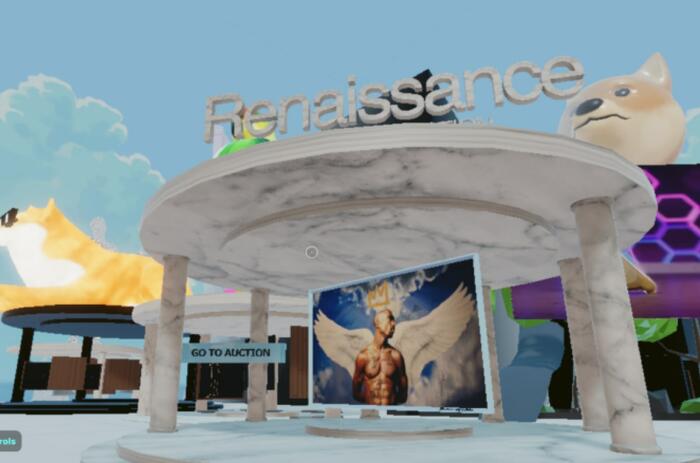
Decentraland offers a persistent virtual world where users own parcels of land and can build upon them. The primary utility of its NFTs is as wearable items and land deeds that define a user's presence and identity in the metaverse. Unlike many games that end when you log off, Decentraland functions as a social platform where ownership grants access to exclusive events, experiences, and commercial spaces. It emphasizes social interaction and digital identity over traditional gameplay mechanics.
Illuvium
Illuvium stands out for its high-fidelity graphics and open-world RPG structure. Players capture and battle creatures called Illuvials, which are NFTs with distinct stats and abilities. The game integrates DeFi elements, allowing players to stake their assets and participate in governance. The emphasis is on a compelling game loop where ownership of creatures provides tangible advantages in exploration and combat, bridging the gap between traditional gaming and blockchain integration.
Alien Worlds
Alien Worlds offers a decentralized metaverse where players mine resources and manage land on different planets. The NFTs in this ecosystem are primarily tools and land parcels that enable resource extraction. Governance is a key feature, with token holders voting on the future development of each planet. This model rewards active participation and strategic management of resources, creating a unique blend of simulation and decentralized governance.
These games represent the current state of play-and-own ecosystems, where digital ownership enhances the gaming experience rather than replacing it. As the market matures, we can expect more titles to adopt similar models, focusing on sustainable economies and meaningful player agency.
What utility means for gaming NFTs in 2026
The definition of an NFT has shifted from speculative collectible to functional game asset. In 2026, players do not buy tokens to flip them; they buy them to enhance their gameplay experience. This shift from "play-to-earn" to "play-and-own" prioritizes utility over price speculation. Static images with no in-game function have largely disappeared from modern titles. Instead, digital assets serve specific mechanical or aesthetic roles within the game ecosystem.
Utility falls into four distinct categories that drive player retention and engagement.
Skins and cosmetic customization
Visual customization remains the most common form of NFT utility. Players purchase unique character outfits, weapon finishes, or emotes that cannot be earned through standard gameplay. These assets allow for self-expression without affecting game balance. Because they do not provide a competitive advantage, they avoid the "pay-to-win" criticism that plagued earlier blockchain games. The value lies in social status and personalization rather than mechanical power.
In-game land and virtual spaces
Virtual land grants players ownership of specific plots within a game world. Unlike traditional games where developers control all terrain, NFT land allows players to build, decorate, or monetize their space. This creates a persistent economy where players can host events, display items, or charge entry fees. Land NFTs often serve as the foundation for user-generated content, encouraging long-term investment in the game’s infrastructure.
Governance and community voting
Some games grant NFT holders voting rights on future development decisions. This includes proposals for new features, balance changes, or treasury spending. By giving players a direct say in the game’s direction, developers foster a stronger sense of ownership and community. Governance tokens transform players from passive consumers into active stakeholders who help shape the game’s evolution.
Cross-game interoperability
The most ambitious form of utility is interoperability, allowing assets to move between different games or platforms. While true cross-game functionality remains limited, some ecosystems are building standards for shared assets. For example, a sword earned in one RPG might be usable in a companion mobile game or a metaverse hub. This portability increases the long-term value of assets, as they are not locked into a single, potentially obsolete title.
Market trends and player adoption
The global NFT gaming market is projected to reach USD 7.63 billion in 2026, up from USD 6.1 billion in 2025 Fortune Business Insights. This growth reflects a shift from speculative volume to sustainable engagement. Fewer platforms remain active, but those that do are building ecosystems players actually want to inhabit.
Trading activity is lower than the 2021 peak, yet retention is higher. Projects that survived the correction focused on utility over hype. Players now expect tangible in-game assets like skins, land, and governance tokens that hold value across sessions. Abstract "value" propositions no longer drive adoption.
The current phase is not a return to the old market, but a consolidation into quality. As noted in recent industry analysis, most projects no longer attract broad demand, but the remaining titles are attracting dedicated communities Webopedia. This shift ensures that NFT gaming in 2026 is defined by depth, not breadth.
Common questions about gaming NFTs
The gaming NFT market has shifted from speculative hype to functional utility. Players now look for items with real in-game use, such as skins, land, and governance rights, rather than abstract collectibles.
This shift ensures that gaming NFTs serve the player first. The market is no longer about flipping assets for quick gains; it is about building lasting digital communities.

No comments yet. Be the first to share your thoughts!