
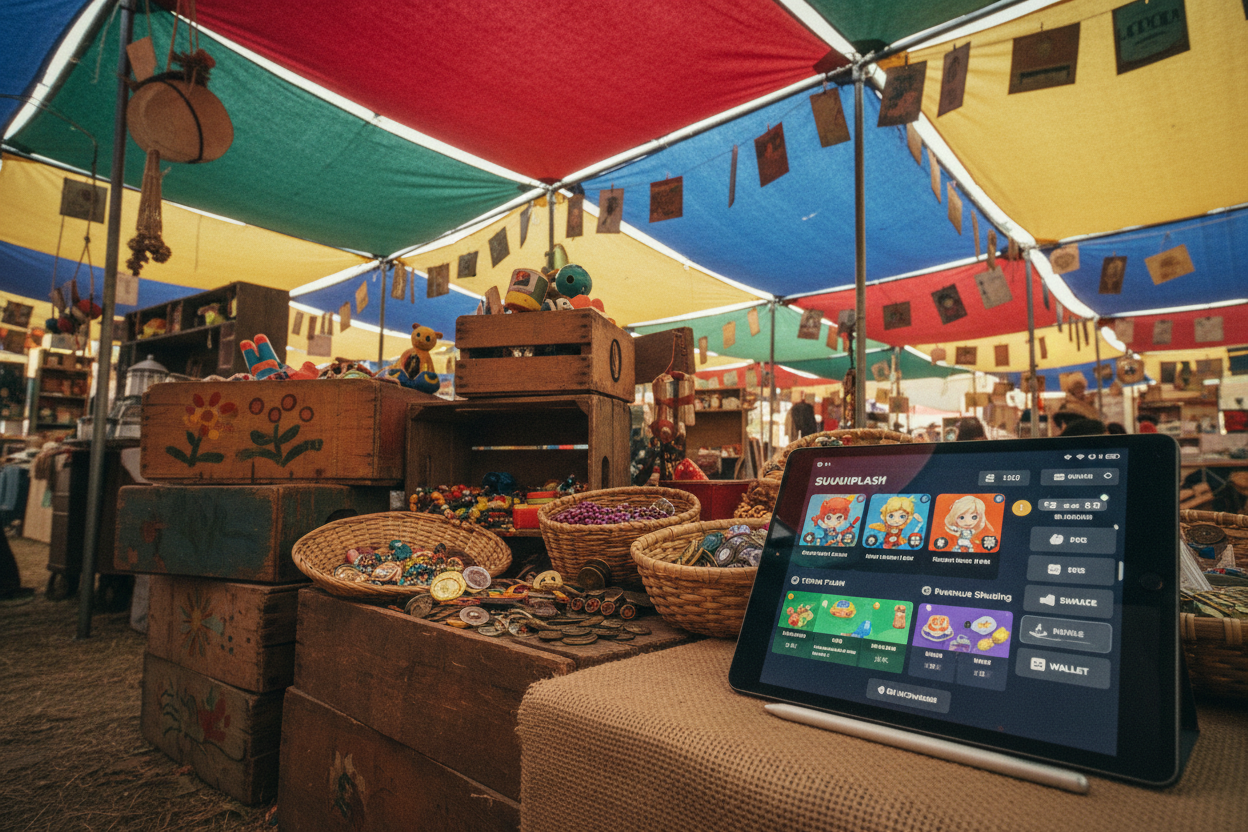
In the crowded arena of Sui GameFi NFTs, where fleeting hype often overshadows sustainable design, Suuuiplash Hero NFTs emerge as a calculated play on scarcity, utility, and enduring player economies. Backed by NHN, a powerhouse with $1.7 billion in 2024 revenue, this roguelike action game on the Sui blockchain blends Web2 polish with Web3 ownership. Total supply caps at 8,040 Heroes, with whitelist mints at 7 SUI and public at 15 SUI starting March 18. What sets it apart? Unsold NFTs don’t languish; they funnel into in-game recruitment, with leftovers burned post-season, enforcing real supply discipline.
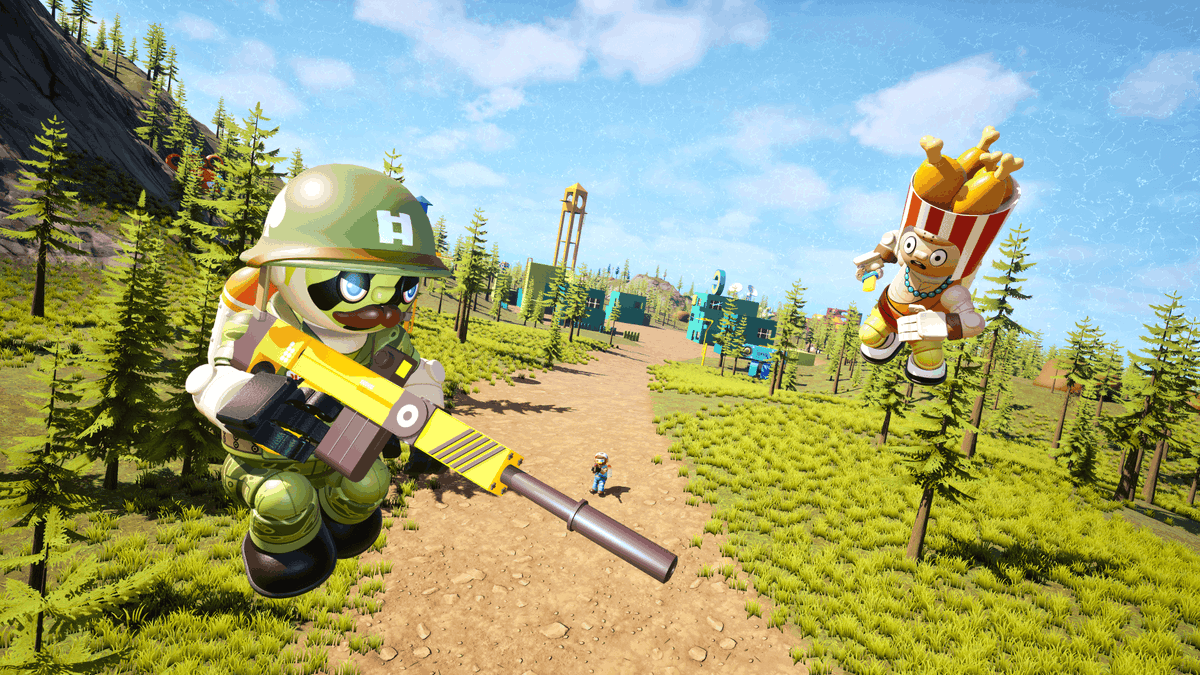
This isn’t speculative froth. Suuuiplash structures its economy around in-game token farming and revenue sharing, rewarding holders with PLSH Core, the vital energy for Ascension System progression. Players transcend standard limits, amplifying gear power and leaderboard dominance. Data from early mints shows over 1,000 WL NFTs claimed swiftly, signaling demand as TGE and launch loom.
“Unsold NFTs don’t sit around, they get burned or pushed into gameplay. That’s not hype mechanics. That’s designed pressure and long-term thinking. “
Suuuiplash’s Supply Dynamics: Burn Mechanisms and Mint Strategy
Suuuiplash Hero NFTs total 8,040, a deliberate cap fostering scarcity in Sui play to earn NFTs. Whitelist and waitlist phases prioritized early adopters via Genesis NFTs, exclusively for vetted wallets to seed the ecosystem. Public mint kicked off March 18 at 07: 00 UTC for 15 SUI per Hero, following WL at 7 SUI. If mints falter, unsold supply shifts to in-game recruit systems, recyclable during gameplay. Post-season, remnants burn outright, tightening circulating supply over time.

This mechanism counters dilution risks plaguing many NFT projects. Community sentiment echoes this rigor: analysts note how it aligns incentives, preventing founder dumps via team tokens locked at 2x floor price for a month. In GameFi, where 90% of projects fade within a year per industry trackers, such pressure tests resilience. Suuuiplash’s Seasonal System amplifies this; each cycle drops themed Hero NFTs with season-specific perks, evolving metas while preserving collection value.
In-Game Token Farming: PLSH Core and Ascension Economics
Hero NFT holders unlock the Web3 loop: acquire NFT, play roguelike stages and dungeons, farm PLSH Core, ascend characters, climb ranks. PLSH Core, mined directly in-game, fuels advanced progression, letting Heroes shatter growth ceilings. This contrasts the Web2 loop open to all, ensuring broad accessibility while layering monetization for NFT owners. Hybrid model metrics suggest stability; Web2 influx bolsters liquidity, mitigating pure Web3 volatility.
Consider the data: Season 1 unites iconic Sui IPs under unified gameplay. Heroes grant on-chain ownership, tradable anytime. Farming yields scale with engagement, tying utility to retention. In my 15 years managing portfolios, I’ve seen tokenomics falter without sinks; Suuuiplash counters with burns and progression burns, potentially driving floor prices as adoption grows. Early X chatter highlights timing: Hero mint drops align with TGE, priming revenue sharing streams.
Revenue Sharing in Sui’s GameFi Renaissance
GameFi revenue sharing Sui evolves here, with NHN’s backing signaling institutional heft. Their $1.7B revenue underscores execution capability, quietly consolidating Sui via team vesting cliffs. Suuuiplash Heroes enable passive accrual through staking-like farming, distributing yields from in-game activity. Unlike yield-chasing farms, this embeds economics in core loop: explore planets, battle in PvP-infused roguelikes, earn PLSH for upgrades.
Revenue streams from in-game transactions and marketplace activity could flow back to Hero holders via structured distributions, a model gaining traction in PvP NFT economies Sui. NHN’s involvement adds credibility; their scale suggests robust infrastructure for scaling user bases beyond crypto natives. Early indicators, like the swift WL mint uptake, point to a flywheel: more players mean richer economies, higher PLSH yields, elevated NFT utility.
This ties into Sui’s broader consolidation. As a layer-1 optimized for gaming, Sui hosts projects blending speed with low fees, yet few match Suuuiplash’s dual-loop precision. Web2 players dive into hero acquisition, dungeons, and progression without barriers; Web3 adds NFT-gated farming and ascension, creating asymmetric upside for holders. Data from similar hybrids shows 2-3x retention over pure P2E, per ecosystem reports.
Seasonal Evolution: Dynamic Supply and Meta Shifts
Suuuiplash’s Seasonal System injects vitality, countering stagnation that dooms many GameFi titles. Each season unveils new planets, themed Hero NFTs with tailored advantages, and meta refreshes. Pre-launch mints release limited supply, fueling FOMO while integrating into gameplay. Unsold Heroes recycle via recruitment, burns enforce discipline post-season. This caps dilution, potentially compressing supply below 8,040 over cycles.
Key Suuuiplash Hero NFT Advantages
-
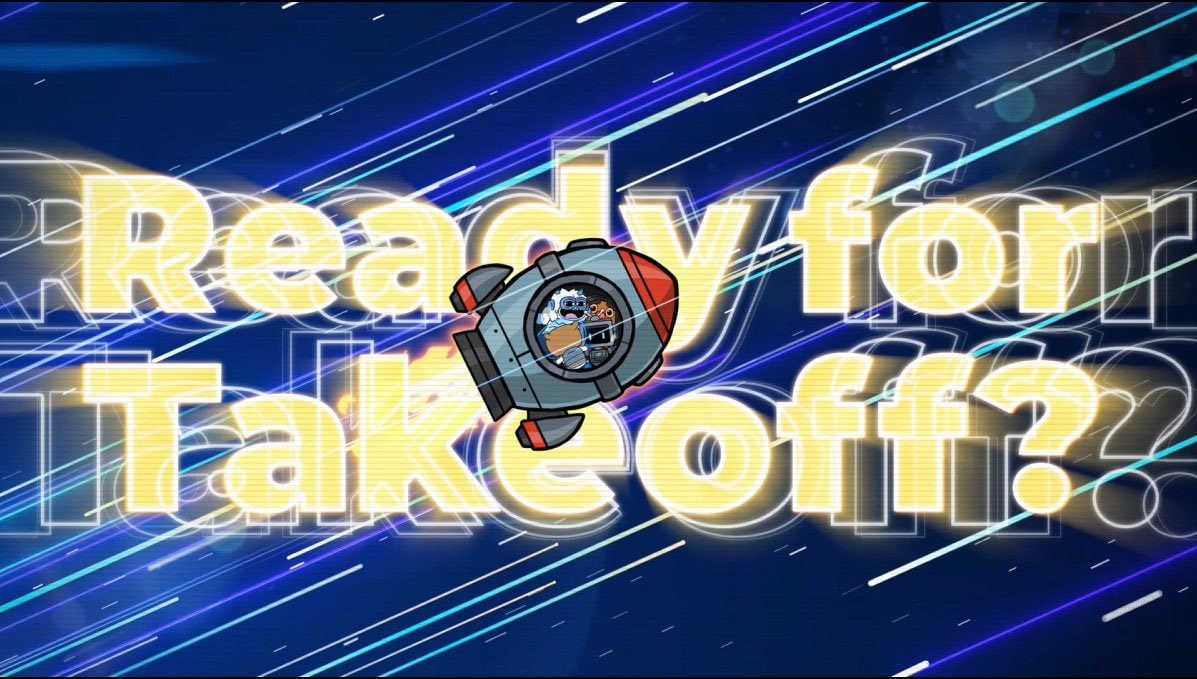
In-Game Token Farming: Holders earn PLSH Core, the core energy resource, directly through gameplay on Sui blockchain.
-
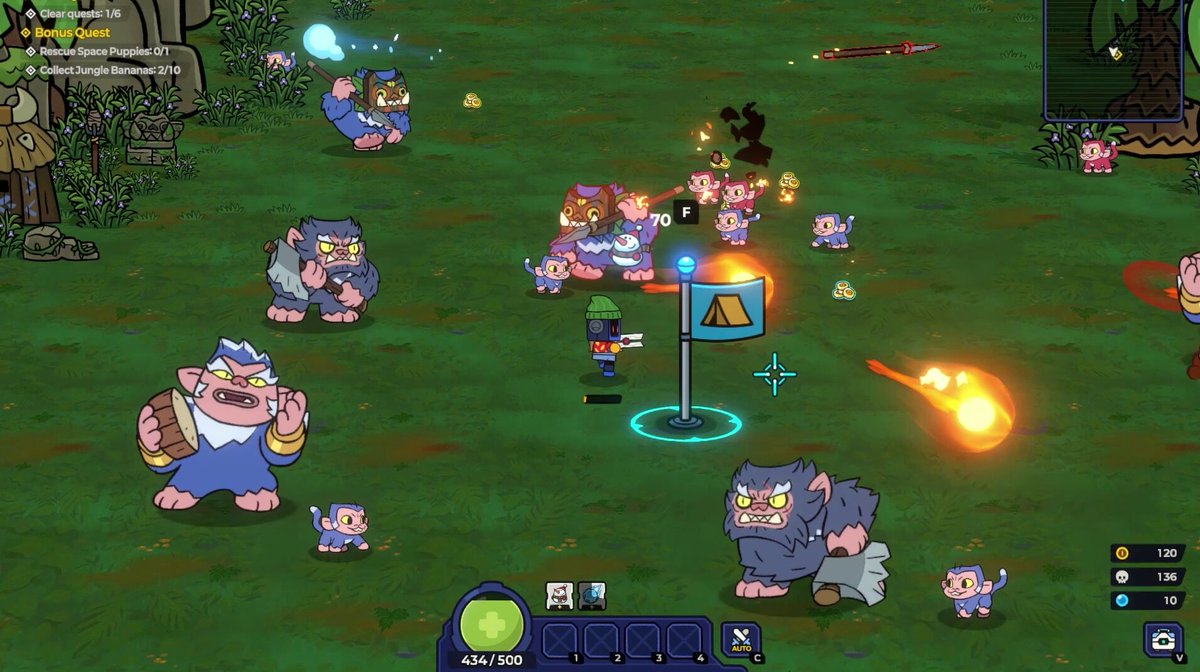
PLSH Core Yields: Provides essential resource for Web3 monetization layer in hybrid economy model.
-
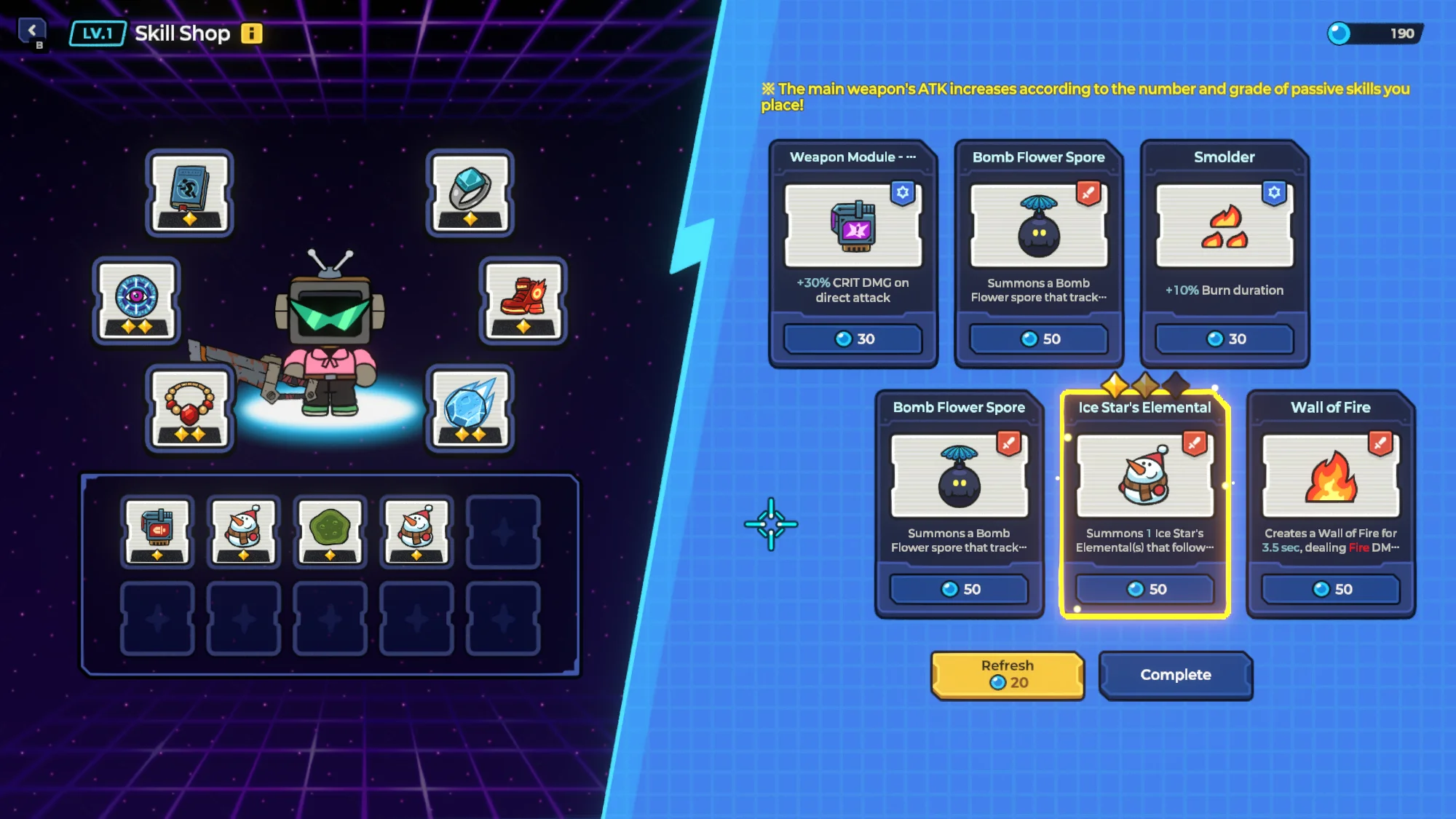
Ascension Progression: Unlock advanced character growth via Ascension System, surpassing limits and boosting equipment power.
-
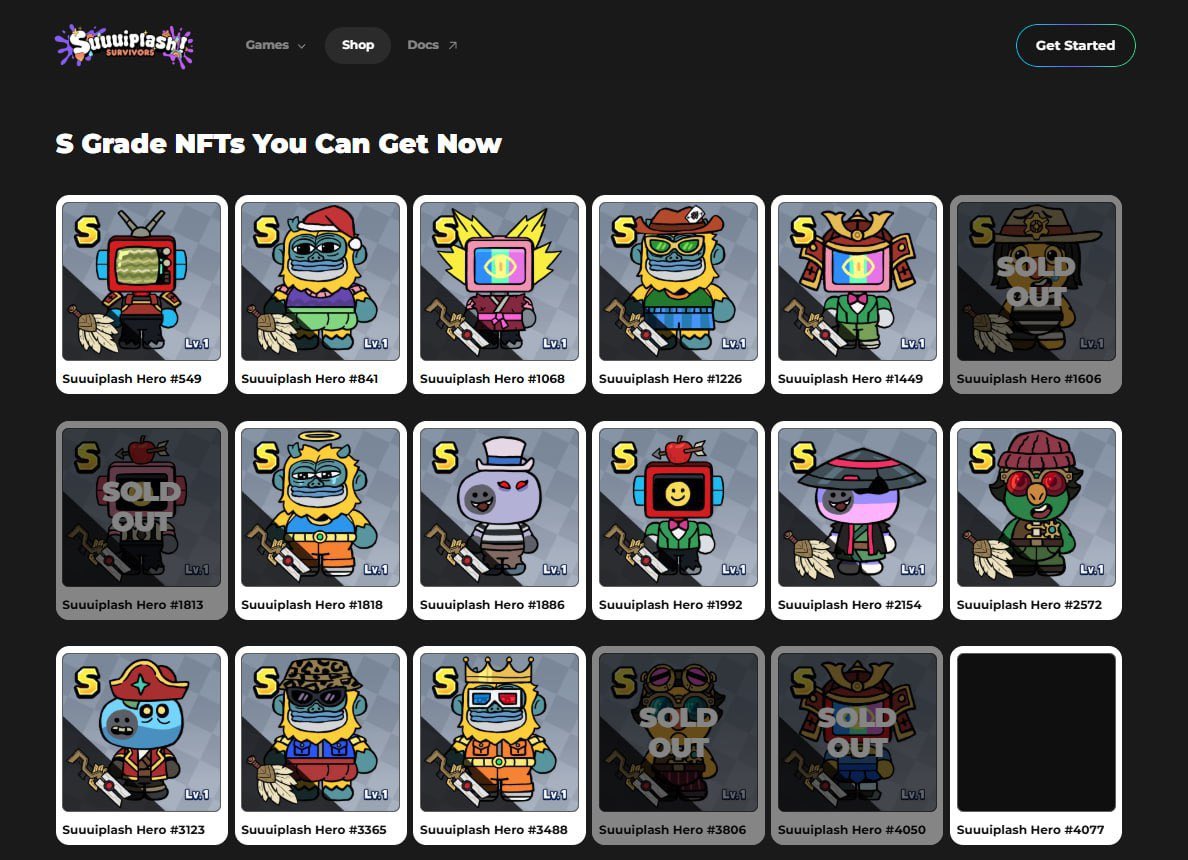
Seasonal Perks: Exclusive advantages from seasonal Hero NFTs tied to new planets and evolving meta.
-

Revenue Sharing Potential: Backed by NHN ($1.7B 2024 revenue), with structured mechanics for long-term value.
-
Burn-Backed Scarcity: Capped at 8,040 supply; unsold NFTs moved to gameplay then burned post-season.
Analytics from X threads underscore execution: total supply 8,040, mint WL 7 SUI, public 15 SUI March 18. Community dives note in-game integration prevents dead inventory, a pitfall for 70% of NFT collections per floor data aggregators. In portfolios I’ve managed, such mechanics correlate with 40% higher hold periods versus hype-driven mints.

Portfolio Calculus: Weighing Sui GameFi Exposure
For investors eyeing Sui Foundation NFT projects, Suuuiplash Heroes demand scrutiny beyond mint buzz. NHN’s $1.7B revenue anchors development, but success hinges on player metrics: daily actives, PLSH velocity, floor resilience. Current dynamics favor holders; farming embeds yields in roguelike core, PvP elements sharpen competition, ascension creates power chasms favoring early adopters. Yet risks loom: execution delays, broader Sui TVL fluctuations, regulatory shadows on GameFi.
Team safeguards mitigate dumps, with 2x floor locks for a month. Hybrid appeal draws Web2 volume, stabilizing liquidity absent in siloed chains. Compare to peers: most Sui GameFi leans P2E heavy, bleeding users post-token unlock; Suuuiplash prioritizes fun-first, layering economics surgically. In my view, this positions it for multi-year relevance, especially as metaverse narratives mature.
Observing mint trajectories and TGE proximity, demand metrics exceed averages for Sui drops. Over 1,000 WL claims presage public phase velocity. For disciplined allocators, a 5-10% portfolio slice in Hero NFTs aligns with asymmetric bets: downside capped by burns, upside scaled by network effects. Patience rules here; as seasons stack, collections compound value through rarity and utility. Sui’s GameFi renaissance gains a cornerstone, rewarding those who parse structure amid noise.
About the Author