
Picture this: you’re not just playing an indie game, you’re owning it. In Bad Bikers, game-owning NFTs flip the script on traditional gaming, handing players the keys to a thriving, player-driven economy. Forget pay-to-win traps; this is about true web3 game ownership model where your bikes, tracks, and even game modes become tradable assets you control. As someone who’s ridden the wild waves of NFT trading for years, I see massive momentum building here for nft driven indie economies.
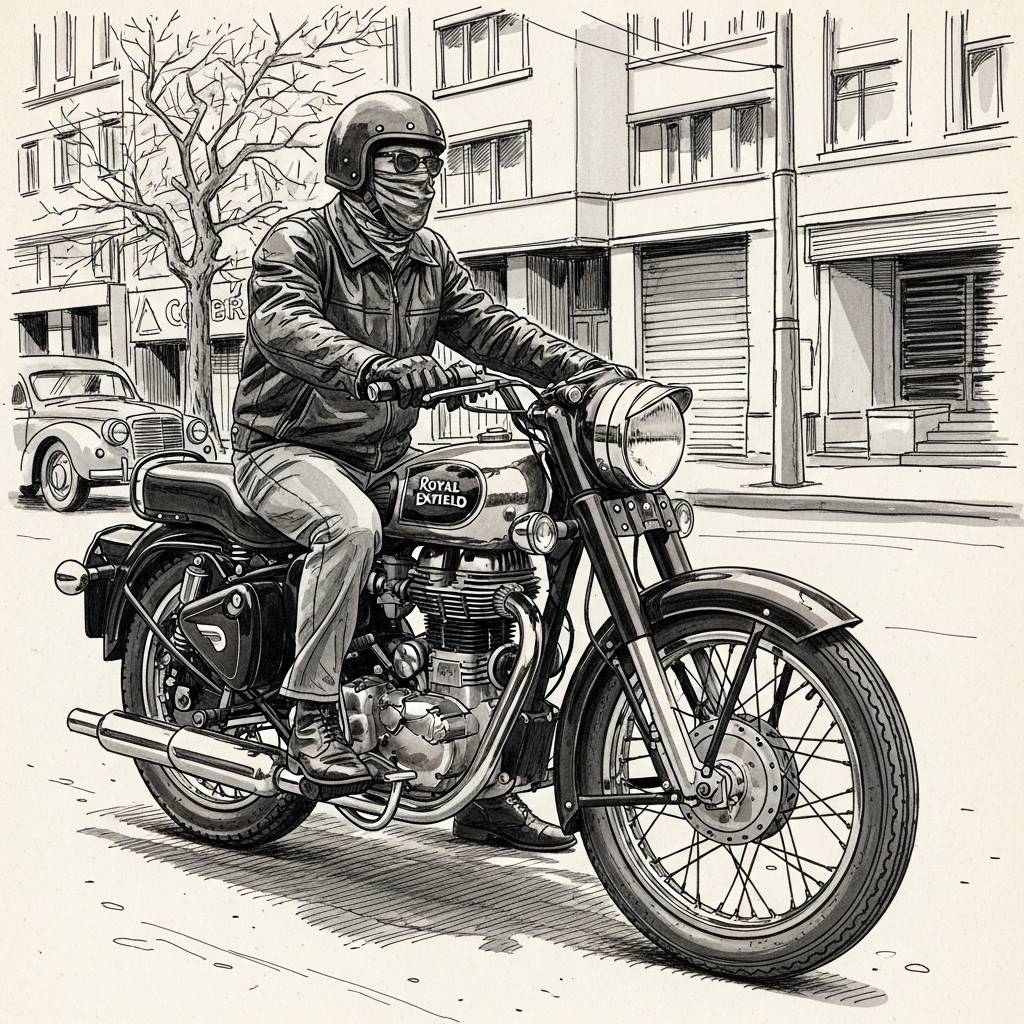
Bad Bikers, spearheaded by founder Bertie Wrench, is crafting Death Race – a Web2 mobile game with Web3 superpowers. They’re starting with Los Primos, minting NFTs that let holders own slices of the game itself. Think player owned indie games: you buy an NFT, and suddenly you’re co-creator, marketplace mogul, and racer all in one. This isn’t hype; it’s a blueprint for indie devs to bootstrap economies without big studio backing.
Decoding Game-Owning NFTs: Ownership That Packs a Punch
At its core, game owning nfts in Bad Bikers mean you hold the deed to dynamic assets. Mint a biker NFT, customize it with rare parts, race it to victory, then flip it on a decentralized marketplace for profit. Players drive supply and demand – no central authority dictating prices or pulling rugs. Bertie’s crew is pioneering this for indie titles, blending mobile accessibility with blockchain permanence.
Why does this matter? Indie games often starve for funding post-launch. Go nfts bad bikers solves that by turning players into investors. Early holders get governance votes on updates, exclusive tracks, or even revenue shares. It’s actionable: scout floor prices now, snag undervalued gems before the mobile drop hits app stores and pumps volume.

Facing the NFT Haters: Busting Myths in Web3 Gaming
Let’s get real – the NFT gaming space is littered with wreckage. Reddit threads roast it as a ‘grift, ‘ Medium posts call it a ‘forced marriage, ‘ and forums question if devs are just bag-holders. Valid gripes: Axie Infinity’s paywall crushed newbies, scams eroded trust, and gas fees felt like eco-terrorism pre-Ethereum’s proof-of-stake glow-up.
But Bad Bikers sidesteps these pitfalls. No massive upfront buys required; entry is low-friction for mobile gamers. They’re building a sustainable Web3 game economy from scratch, not inheriting baggage from 10k NFT flips. Skeptics miss the shift: players want ownership without the casino vibes. Bertie Wrench gets it, preaching better models for indies over extractive plays.
“Building Death Race – Web 2, mobile. Pioneering a new narrative for NFTs and a better model for indie games. ”
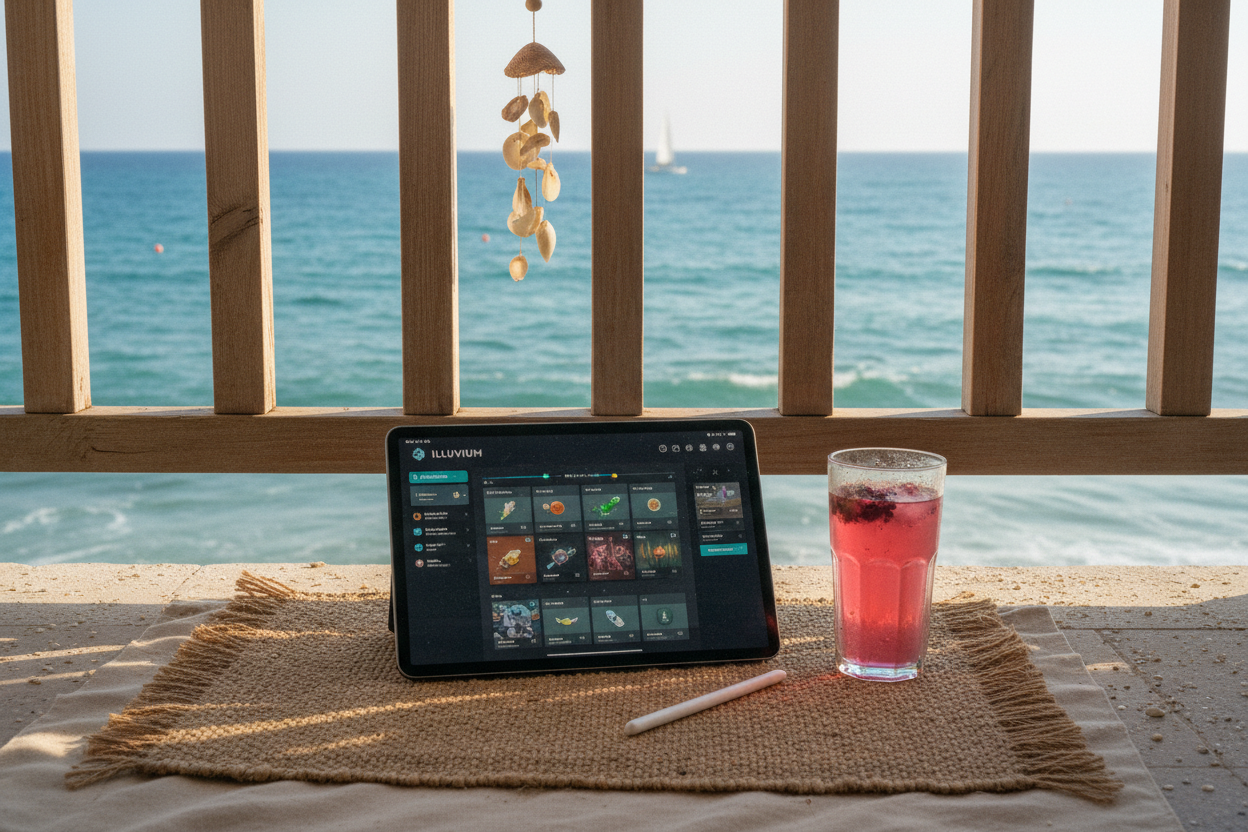
Action step: Dive into community chats. Gauge sentiment – if holders are buzzing about Los Primos drops, that’s your momentum signal. Respect the risk, but this feels like early Parallel or Illuvium before they exploded.
Bertie Wrench’s Playbook: From Vision to Velocity
Bertie Wrench isn’t some suit; he’s grinding in the trenches, linking up at Web3 Gaming Labs and Untangling Web3 panels. His pitch? NFTs as rocket fuel for indie dreams, not the main event. Death Race hooks with slick mobile racing, then layers on player-driven economies via Bad Bikers NFTs.

Recent buzz from Instagram and X shows traction. Formula Cointelegraph spotlights his founder talks, while panels grill blockchain gaming’s big questions. Wrench pushes back: true ownership means copyright-level control, minus automation pitfalls. For traders like me, it’s chart candy – watch trading volume spike as milestones hit, like first races or marketplace launches.
This model scales. Indies plug in game-owning NFTs, players mint and trade, economies self-sustain. Challenges remain – volatility, adoption curves – but Bad Bikers is testing waters smartly. If you’re eyeing nft driven indie economies, position now: hunt rare traits, track dev updates, ride the trend.
Player-driven economies thrive when trust meets utility, and Bad Bikers nails that balance. Their web3 game ownership model lets you mint bikes or tracks as NFTs, race them in Death Race, then trade on open markets. No more locked assets vanishing with server shutdowns; your investments stick around, fueling long-term plays. I’ve charted enough NFT drops to spot winners, and this low-entry indie setup screams opportunity over overhype.
Trading Game-Owning NFTs: Actionable Strategies for Momentum Riders
Ready to go nfts bad bikers? Start by scanning rarity scores on Los Primos drops; bikes with exclusive skins or speed boosts command premiums. Swing trade volume spikes around dev announcements, like mobile beta tests or governance votes. Use tools like on-chain analytics to track whale moves, then position for 2x-5x flips as player counts climb. Risk management is key: never ape more than 5% of your stack, set stops at 20% drawdowns, and diversify across indie Web3 titles.
Key Bad Bikers NFT Trading Strategies
-
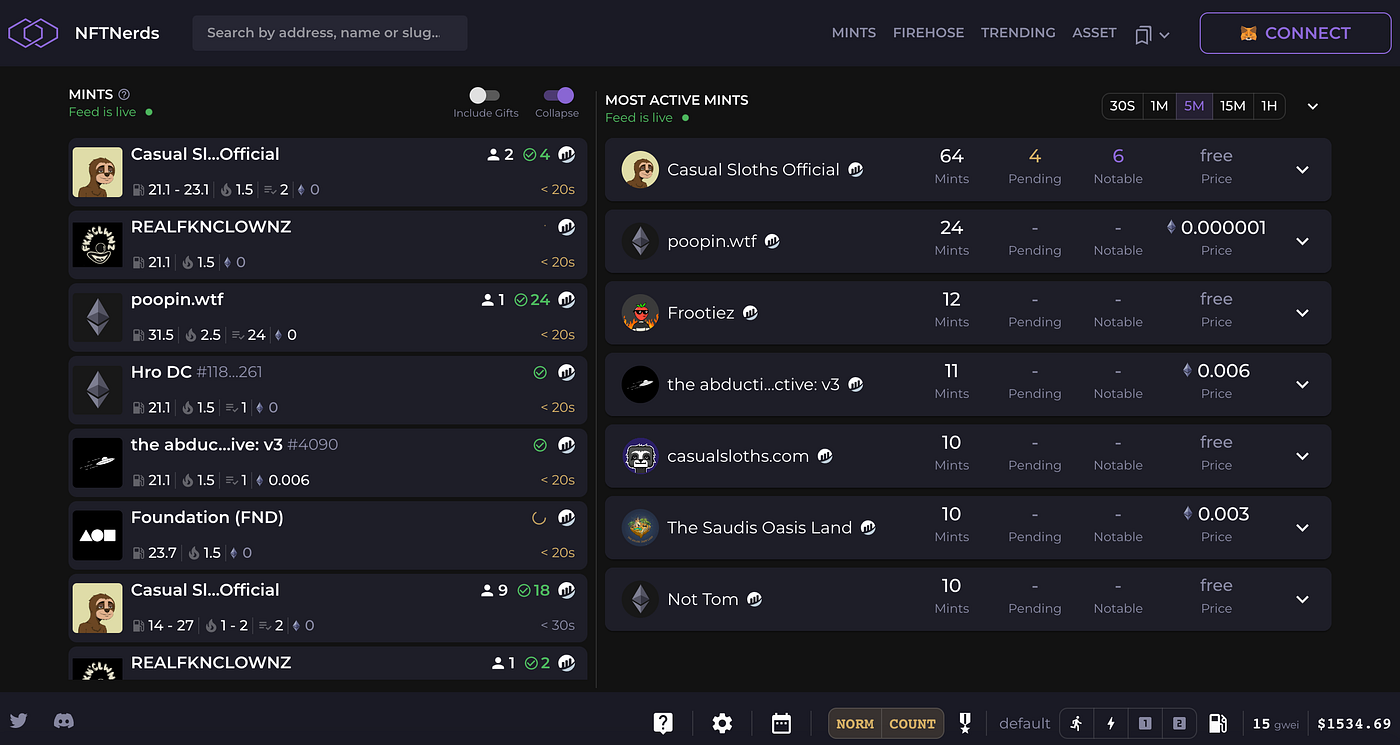
Rarity Scouting: Use real tools like Rarity.tools or OpenSea trait filters to hunt undervalued Bad Bikers NFTs with rare biker or bike traits – strike before the floor pumps!
-
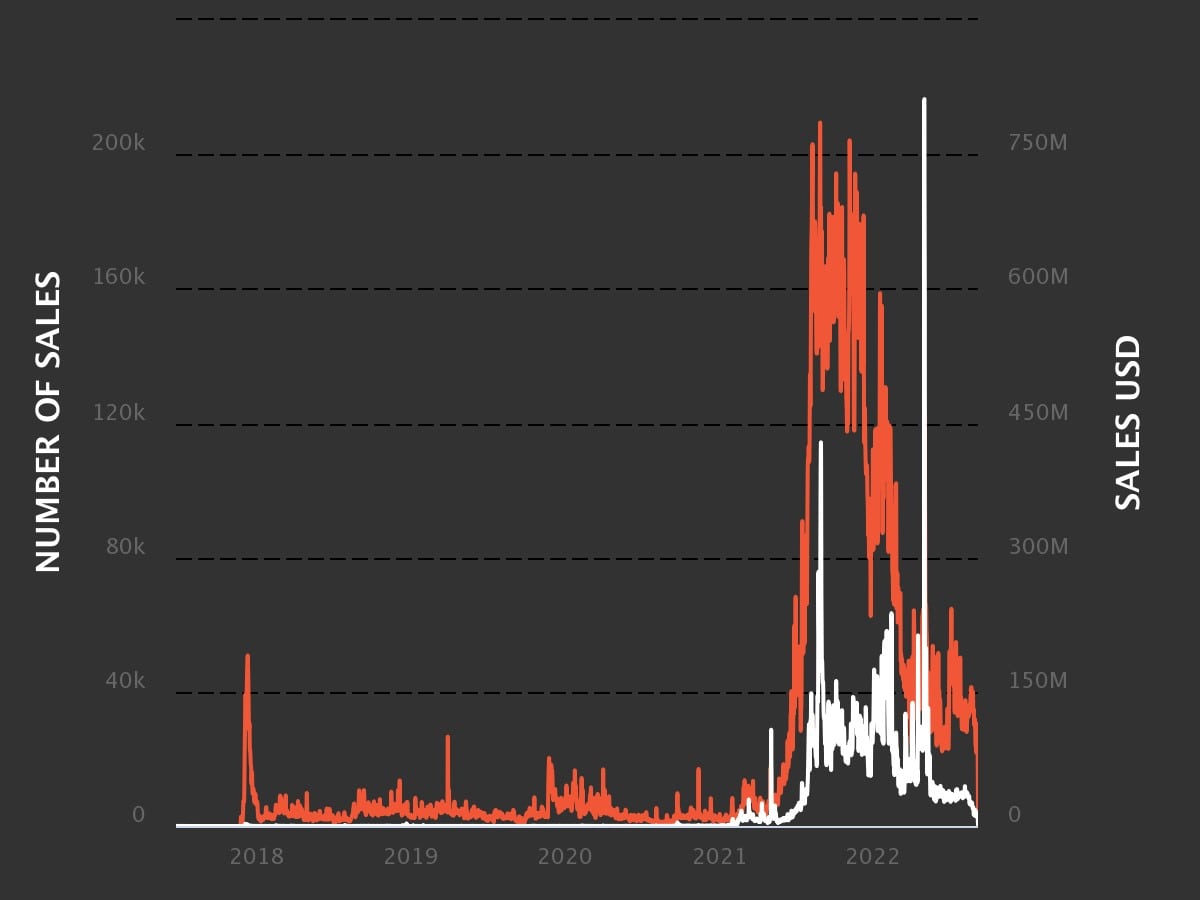
Volume Timing: Monitor OpenSea or Blur volume dips for buys, then flip during community hype spikes on X (@Bad_Bikers_NFTs) – time it right for max gains!
-
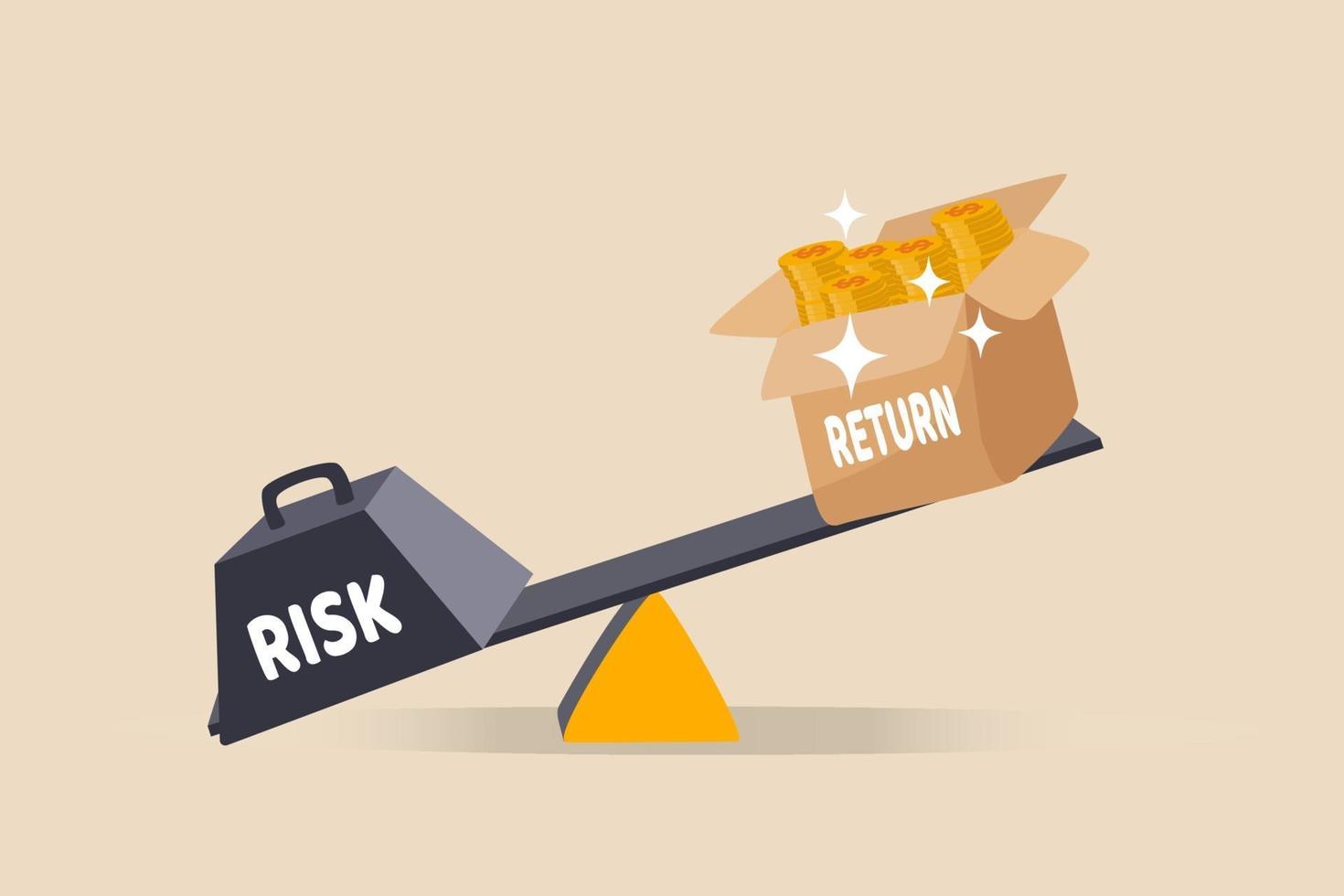
Risk Rules: Limit each trade to 1-2% of your portfolio, set take-profit at 2x and stop-loss at 20% down – protect your stack in volatile Web3 game NFT markets!
Community sentiment is shifting too. While Reddit skeptics cling to old scars from Axie-style paywalls, Bad Bikers keeps it accessible; no $500 entry barriers here. Ethereum’s proof-of-stake slashes fees, making trades feel like standard mobile IAPs. Devs like Bertie prioritize gameplay loops over token grinds, dodging the ‘unsustainable’ label thrown at NFT games.
Overcoming Hurdles: Sustainable Paths Forward
Critics aren’t wrong about pitfalls; high gas once killed vibes, scams spooked normies, and many Web3 games chased quick NFT sales over fun. Bad Bikers flips it: build the game first, layer NFTs second. Players own assets with real utility – customize, compete, monetize – creating organic demand. Indie devs gain funding without VCs, players get skin-in-the-game stakes. It’s messy, sure; volatility hits hard, adoption lags behind Web2 giants. But watch panels like Web3 Gaming Labs: founders like Wrench argue this is the fix for cursed economies inherited from 10k NFT mints.
For player owned indie games, success hinges on retention. Death Race’s mobile polish pulls in casuals, NFTs hook the degens. Early data shows holder chats lighting up over revenue shares and exclusive modes. If volume sustains post-launch, we’re talking self-funding sequels, marketplace royalties rolling in. Traders, eye those charts: breakouts above average volume signal the pump.
Bottom line, game owning nfts in projects like Bad Bikers redefine indie survival. You’re not renting pixels; you’re building empires. Jump into Discord, mint a Los Primos, race for traits that pop. Momentum’s building – respect the dips, ride the surges, and own your slice of the metaverse track.
About the Author