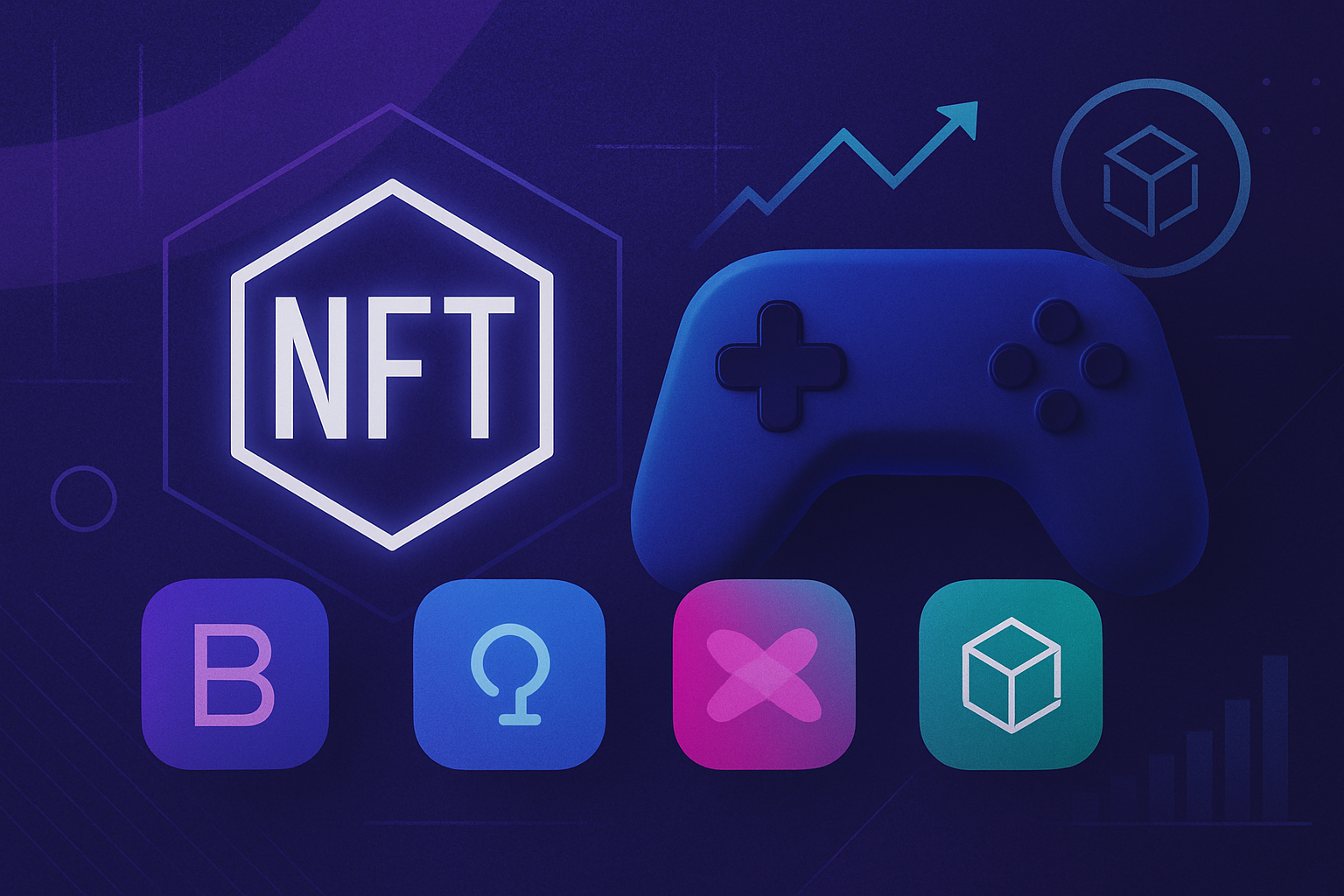
In 2025, the intersection of NFT rental marketplaces and play-to-earn (P2E) gaming has fundamentally shifted the dynamics of digital economies. No longer is access to high-value in-game assets reserved for a privileged few; instead, innovative NFT rental platforms are democratizing participation and creating new revenue streams for both players and asset owners. This evolution is not only reshaping how value flows within games but also how communities form and grow around these digital ecosystems.
NFT Rental Marketplaces: Lowering Entry Barriers in P2E Gaming
The surge in popularity of P2E games like Axie Infinity and The Sandbox has exposed a persistent challenge: the steep upfront cost of acquiring competitive NFTs. For many aspiring players, the price tag attached to rare characters, weapons, or virtual land can be prohibitive. Here, NFT rental marketplaces step in as game-changers by enabling gamers to lease assets for a fraction of their purchase price.
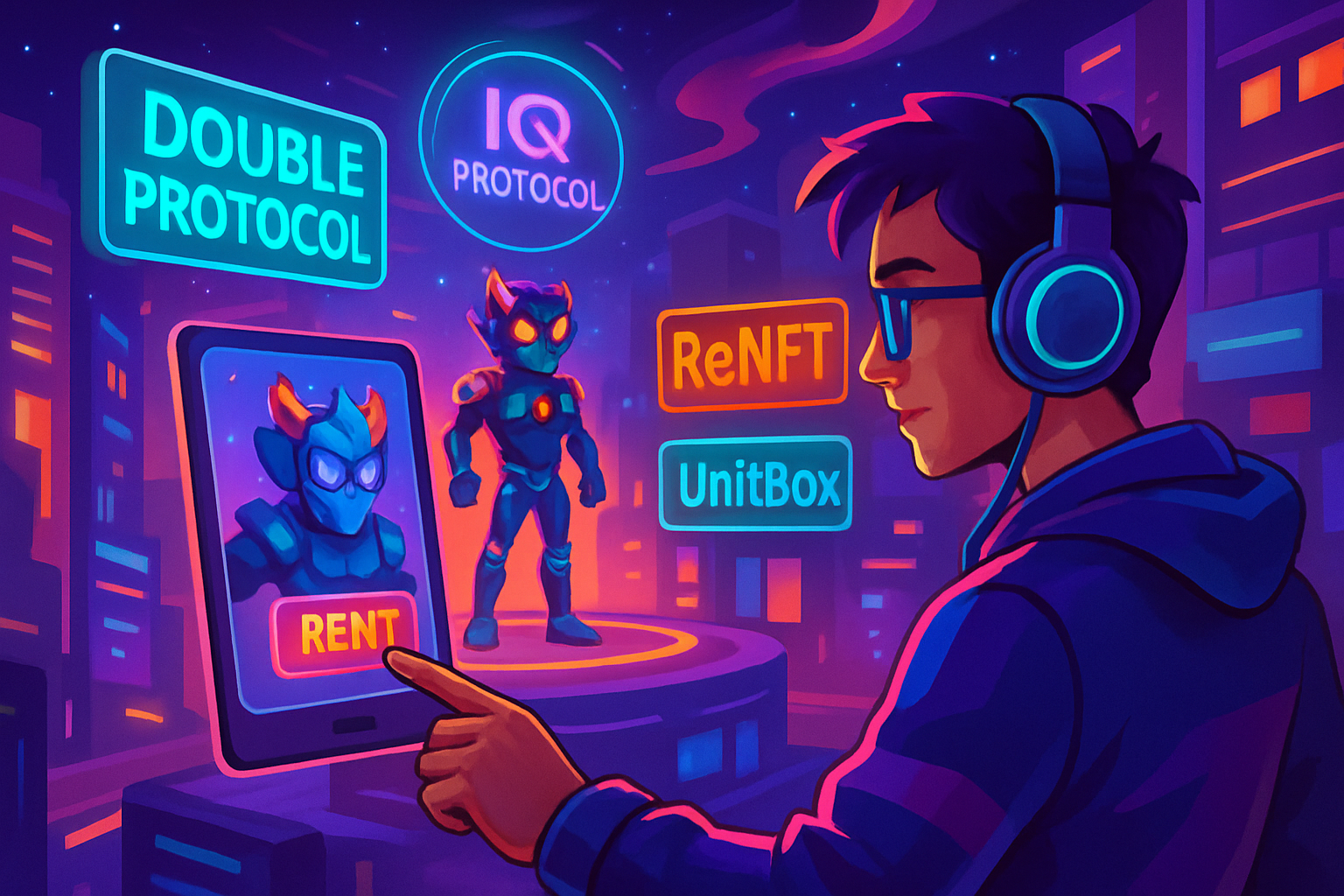
Among the most influential platforms driving this shift in 2025 are Double Protocol, IQ Protocol, ReNFT, Rentable (by Vera Labs), and UnitBox. These Dapps streamline the process for both asset owners and renters, facilitating secure, trustless transactions on leading blockchains such as Ethereum, Polygon, BNB Chain, Avalanche, Arbitrum, and across multichain environments. By leveraging smart contracts and escrow mechanisms, they ensure that ownership remains protected while granting temporary utility to renters.
The Economics of NFT Asset Leasing: Passive Income Meets Playability
NFT rentals are not just about accessibility, they have unlocked powerful economic incentives for asset holders as well. Instead of letting valuable NFTs sit idle in digital wallets, owners can now generate passive income by listing them on platforms like ReNFT or UnitBox. Rental fees are typically denominated in stablecoins or native platform tokens, with terms ranging from hourly to monthly depending on the game's structure and demand.
This model aligns incentives across all parties involved:
- Asset owners earn steady returns without relinquishing ownership.
- Renters gain immediate access to premium assets that boost their earning potential within games.
- The broader ecosystem enjoys increased liquidity and participation rates, key drivers for healthy NFT gaming economies.
A prime example is IQ Protocol’s utility token-based rental system, which allows users to rent NFTs without collateral while ensuring fair compensation through automated payment flows. Similarly, Double Protocol’s flexible leasing framework supports both short-term gameplay needs and long-term content creation initiatives within metaverse projects.
Cross-Chain Compatibility: Expanding Reach Across Gaming Universes
The rise of cross-chain compatibility among top rental Dapps, such as Rentable (by Vera Labs) and Double Protocol, has further amplified their impact. Players can now rent assets minted on one blockchain (e. g. , Ethereum) and deploy them within games operating on another (e. g. , Polygon or Avalanche). This interoperability dramatically increases asset utility while boosting market liquidity across multiple ecosystems.
This technical breakthrough also paves the way for seamless integration with emerging P2E titles identified by platforms like Chainplay. gg and PlayToEarn. As more developers adopt standardized rental protocols, expect even deeper synergies between NFT marketplaces and next-generation blockchain games throughout 2025.
Security and transparency remain crucial concerns when renting high-value digital assets. The leading NFT rental marketplaces, Double Protocol, IQ Protocol, ReNFT, Rentable (by Vera Labs), and UnitBox, have responded by integrating robust smart contract auditing, transparent fee structures, and user-friendly dashboards that track rental status in real time. These features not only protect asset owners from unauthorized transfers or misuse but also give renters confidence that their agreements are honored automatically on-chain.
UnitBox, for example, emphasizes non-custodial NFT rentals, ensuring that asset ownership never actually leaves the original wallet. Instead, temporary permissions are granted through programmable contracts. ReNFT has pioneered customizable rental terms and flexible durations, making it easy for both casual gamers and professional guilds to negotiate arrangements tailored to their playstyles or business models.
The economic ripple effect is evident: as more NFTs circulate through these rental platforms, game developers benefit from increased player engagement and transaction volumes. This virtuous cycle incentivizes studios to design assets with built-in rental utility, fueling a new wave of NFT-driven game mechanics where temporary access is as valuable as permanent ownership.
Case Studies: How Top Rental Marketplaces Are Powering P2E Growth
Let’s examine how the top five platforms are shaping the NFT rentals landscape in 2025:
- Double Protocol: Specializes in metaverse asset leasing with a focus on interoperability and white-label solutions for gaming studios.
- IQ Protocol: Innovates with collateral-free rentals and token-based payment flows ideal for scalable P2E economies.
- ReNFT: Offers granular control over rental terms across multiple chains, catering to both individual players and organized guilds.
- Rentable (by Vera Labs): Stands out for its cross-chain compatibility and developer-friendly APIs that simplify NFT integration into new games.
- UnitBox: Prioritizes non-custodial security while enabling automated revenue sharing between owners and renters.
This competitive innovation has catalyzed a broader trend: in-game economies are evolving to prioritize flexibility, inclusivity, and dynamic value generation. As a result, even casual gamers can now access top-tier NFTs in leading titles without major upfront investments, while sophisticated investors can diversify their yield strategies by participating in the growing NFT lending market. For more on how these trends are transforming player-owned economies, see our analysis at How NFT-Based Economies Are Revolutionizing Player-Owned Marketplaces in Blockchain Games.
What’s Next? The Future of NFT Rentals in Gaming Economies
The rapid evolution of NFT rental marketplaces signals only the beginning of a broader shift toward modular digital ownership. Looking ahead to late 2025 and beyond, we anticipate further convergence between DeFi lending protocols and gaming NFTs, enabling fractional rentals, bundled asset packages, or even dynamic pricing based on market demand. Additionally, regulatory clarity around digital asset leasing will likely spur institutional participation and mainstream adoption of NFT rentals within both entertainment and enterprise contexts.
The bottom line: by lowering entry barriers while enhancing liquidity and flexibility across blockchain games, platforms like Double Protocol, IQ Protocol, ReNFT, Rentable (by Vera Labs), and UnitBox have established themselves as pillars of the next-generation play-to-earn ecosystem. Their continued innovation will be instrumental as the industry moves toward a truly open digital economy where access, not just ownership, defines value creation.

No comments yet. Be the first to share your thoughts!