
In 2025, the fusion of artificial intelligence and blockchain is catalyzing a profound transformation in gaming metaverse economies. No longer are NFTs simply static collectibles or cosmetic upgrades; instead, AI-generated NFTs are emerging as dynamic, interactive assets that drive engagement and unlock new forms of value for players and creators alike. This next wave of NFT innovation is reshaping how digital economies function within virtual worlds, setting the stage for more immersive, sustainable, and player-driven ecosystems.

AI-Generated NFTs: From Static Collectibles to Living Assets
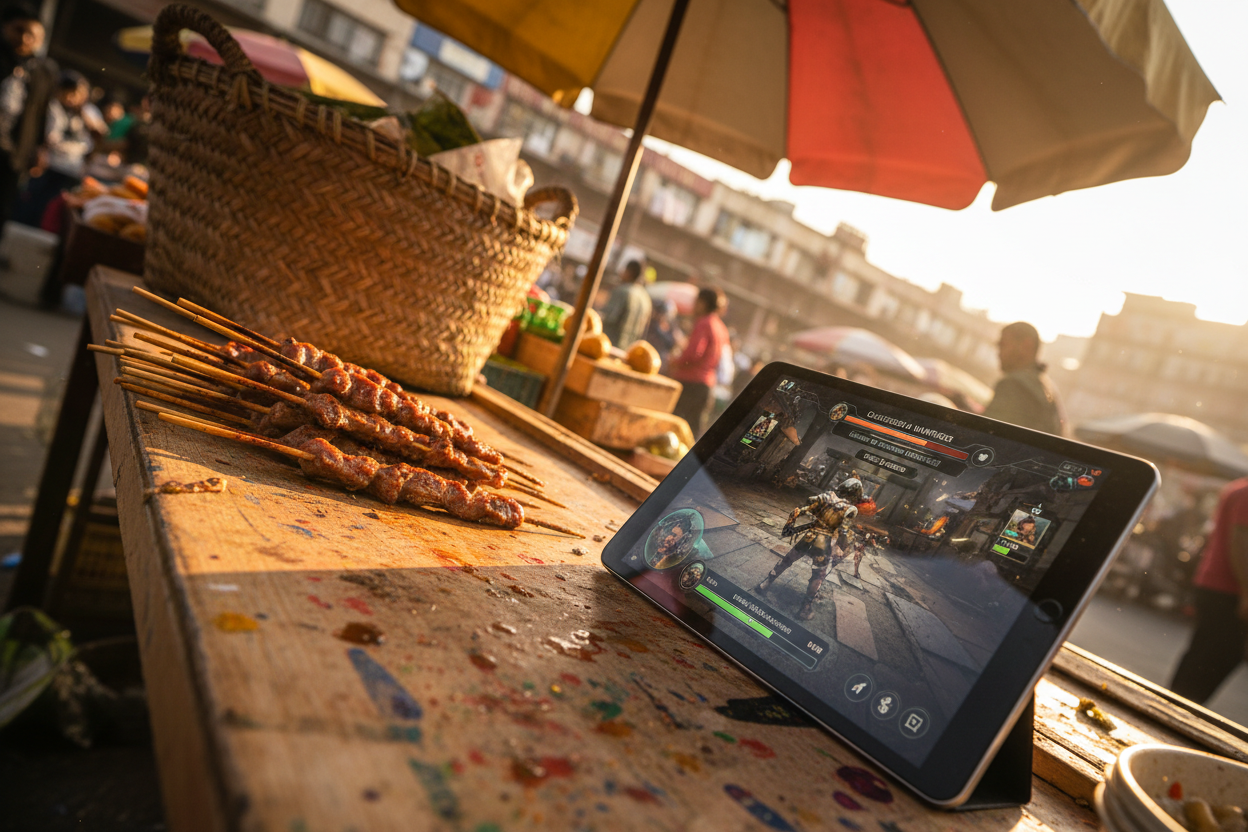
One of the most significant shifts in NFT evolution in gaming comes from the rise of AI-generated NFTs. These assets are no longer limited to fixed images or pre-programmed behaviors; instead, they leverage generative AI to create unique traits, adaptive personalities, and evolving narratives. For example, major franchises have rolled out generative-AI Fortnite skins and branded non-playable characters (NPCs) that learn from player interactions or even develop emotional bonds with users. Such innovations are not fleeting marketing campaigns but signal a fundamental change in how game assets are created and experienced.
This dynamic nature means that an AI-driven pet companion or weapon skin can adapt its appearance or abilities based on your playstyle, achievements, or even broader metaverse events. The result is a deeper sense of personalization and attachment, key drivers for sustained engagement within virtual worlds.
Democratizing Content Creation: AI Tools Empowering Players
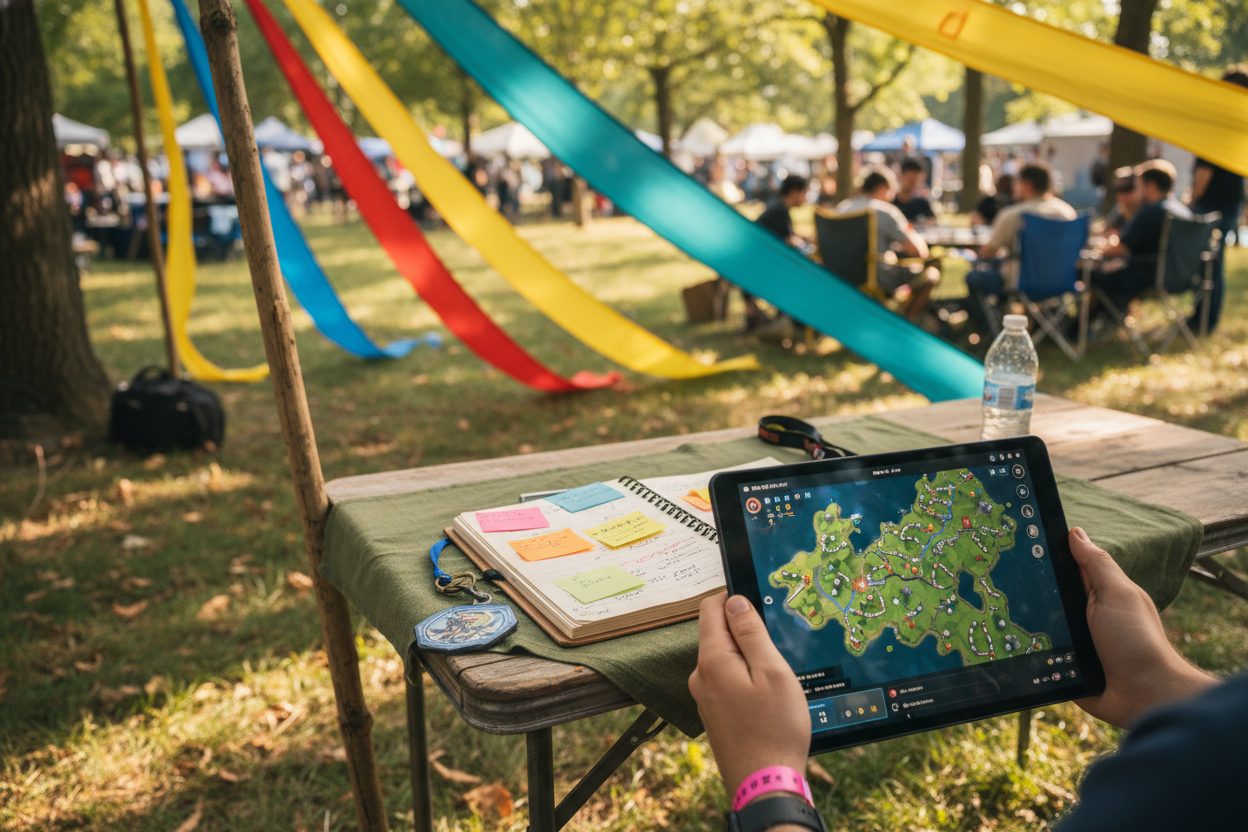
The democratization of content creation is another key trend accelerating NFT utility in games. Platforms like MagicCraft now allow users to generate functional 3D objects or entire environments using simple natural language prompts. This significantly lowers the technical barrier for creators who previously needed advanced skills in 3D modeling or programming to contribute meaningful content to games.
The implications for NFT-driven economies are substantial. With more players able to create unique digital goods, ranging from fashion accessories to interactive quests, virtual worlds become richer and more diverse. These user-generated assets can be minted as NFTs, traded on open marketplaces, and even integrated across multiple games thanks to growing interoperability standards.
Economic Shifts: Play-to-Own Models Take Center Stage
The integration of AI-generated NFTs is also influencing the underlying economic models powering metaverse platforms. In contrast to earlier play-to-earn systems that often suffered from rapid inflation and unsustainable reward structures, the new play-to-own (P2O) approach emphasizes genuine asset ownership without undermining scarcity or value stability.
P2O models ensure that players retain control over their valuable items, whether it’s an evolving AI-powered avatar or a rare piece of generative art, and can freely trade them as part of robust secondary markets. This shift aligns with broader market trends showing increased transaction volumes but fewer speculative bubbles. According to recent data, Ethereum (ETH) trades at $2,724.50, reflecting a maturing market where long-term holders dominate activity over short-term flippers.
For deeper analysis on these economic transformations within NFT gaming ecosystems, see our coverage at How Play-to-Earn NFT Games Are Shaping the Virtual Economy in 2025.
Market Maturity: Stabilization Amidst Growth
A notable development in 2025 is the stabilization of the NFT market after previous cycles characterized by hype-driven booms and busts. While overall trading volumes have contracted from their 2021,2022 highs, gaming NFTs generated $135 million in trading volume recently, the number of transactions continues to rise steadily as adoption becomes more consistent across both casual gamers and professional investors.
This maturation signals that NFT market trends 2025 are less about speculation and more about long-term utility and integration into everyday digital experiences. As AI-generated NFTs become increasingly central to gameplay mechanics and social interactions within virtual worlds, their role as foundational elements of digital economies will only deepen.
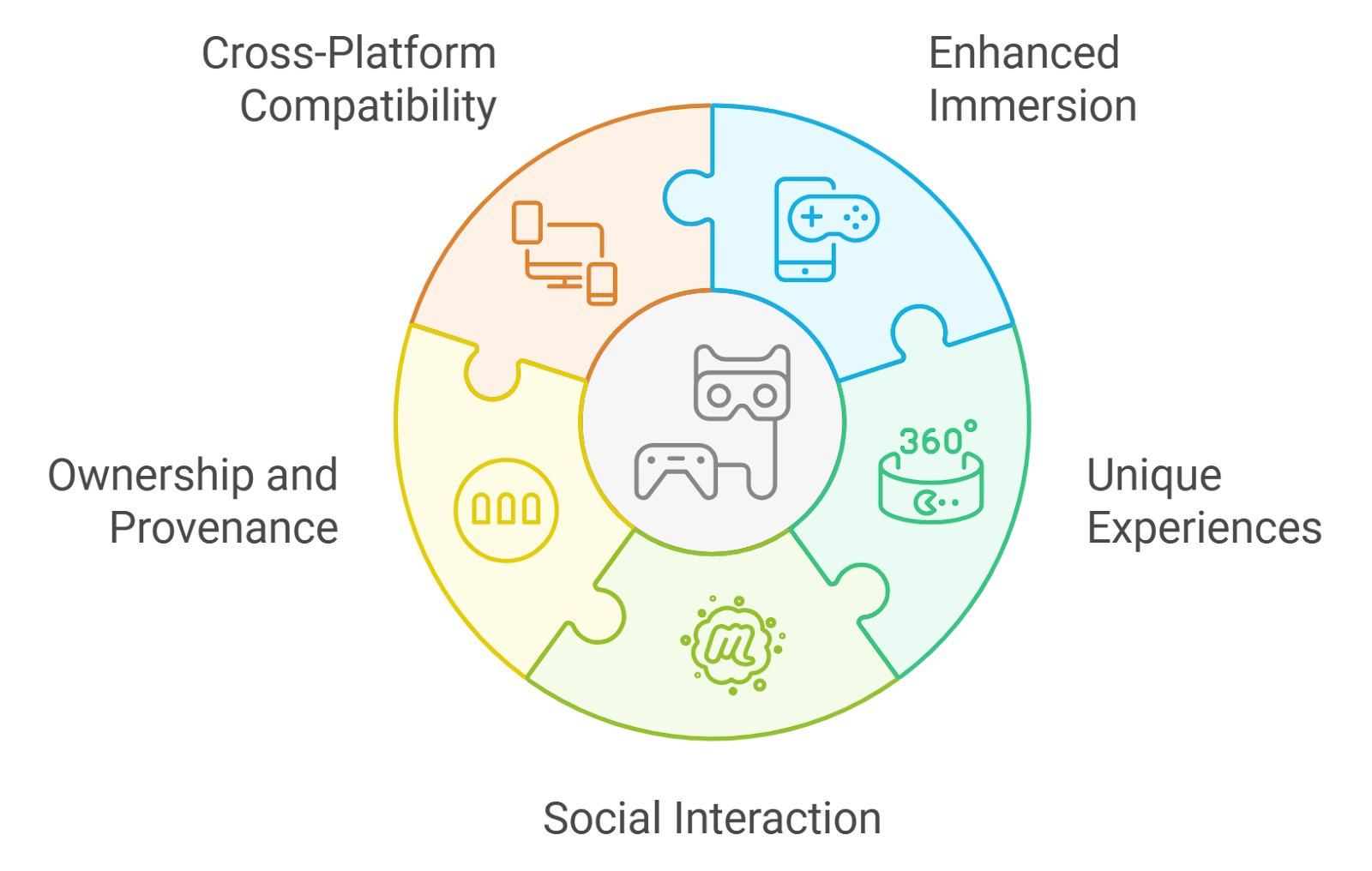
Interoperability is another frontier where AI-generated NFTs are making a tangible impact. In 2025, players expect their digital assets to transcend individual games or platforms. Thanks to advances in both blockchain standards and AI-driven metadata, NFTs can now retain functionality and provenance across different virtual worlds. Imagine wielding an AI-powered sword that remembers your achievements in one RPG and adapts its abilities for a sci-fi shooter, this cross-platform continuity is rapidly becoming the norm, not the exception.
Developers are responding by embracing open protocols and collaborative frameworks that support NFT portability. This approach not only enhances asset value but also fosters a more interconnected metaverse economy, where player investments have lasting significance beyond any single title. As interoperability becomes standard practice, it further cements NFTs as the backbone of digital identity and ownership within gaming ecosystems.
Risks and Considerations: Navigating the Challenges of AI-Driven NFT Economies
Despite these advances, the rise of AI-generated NFTs in gaming introduces new complexities. Dynamic NFTs that evolve or learn from user input can present unique security challenges, such as exploit risks in smart contracts or unintended behaviors in adaptive algorithms. Ensuring transparency in how AI models operate, and establishing robust verification standards for NFT provenance, will be essential as these assets proliferate.
Additionally, questions around intellectual property and creative authorship become more nuanced when generative AI is involved. Who owns an NFT created collaboratively by a player’s prompt and an algorithm? Regulatory clarity will be needed to safeguard both creators’ rights and consumer trust as these hybrid assets gain market share.
Investment Outlook: NFT Gaming Investments in a Maturing Market
The maturing landscape of NFT gaming investments is reflected in both price action and investor behavior. With Ethereum trading at $2,724.50, major NFT platforms are seeing increased interest from institutional players seeking exposure to digital assets with real utility. Rather than chasing speculative spikes, today’s investors focus on projects with sustainable economic models, particularly those leveraging AI for asset evolution, utility, or interoperability.
Long-term value accrues to ecosystems where NFTs are not just collectibles but integral components of gameplay, governance, or social interaction. For players and developers alike, understanding how AI-generated NFTs fit into broader trends, such as play-to-own mechanics or cross-world interoperability, is key to navigating this fast-evolving sector.
What’s Next: The Road Ahead for AI-Generated NFTs
Looking ahead to 2026 and beyond, expect further convergence between generative AI tools and blockchain infrastructure within the metaverse. As user expectations shift toward more responsive and personalized experiences, game studios will compete on the sophistication of their dynamic NFT offerings, from lifelike NPCs to procedurally generated quests tailored by player data.
The ongoing evolution of NFT utility in games will likely spur new forms of community governance as well: imagine DAOs (decentralized autonomous organizations) voting on how world-building algorithms allocate resources or introduce narrative twists driven by collective player actions.
This period of rapid innovation brings both excitement and responsibility. Stakeholders must balance creativity with ethical considerations around data use, algorithmic bias, and equitable access to creation tools. The winners will be those who foster open ecosystems while prioritizing user agency, and who recognize that patience remains an investor’s edge even amid technological leaps.
The next chapter for NFT metaverse economies 2025 is already being written by players who see their avatars not just as characters but as living extensions of themselves, assets that grow alongside them across worlds yet unimagined.
About the Author