
The NFT gaming landscape in 2025 is experiencing a dramatic resurgence, and few events illustrate this shift better than the high-profile partnership between Amazon Games and Yuga Labs for the launch of the Otherside NFT game. With mainstream brands entering the space and new tech lowering barriers to entry, the Otherside project stands as a beacon for both NFT veterans and newcomers curious about digital asset ownership without crypto wallet complexity.
Amazon Games and Yuga Labs: Why This Collaboration Matters
Yuga Labs, best known for creating Bored Ape Yacht Club (BAYC), has spent years building momentum around its metaverse ambitions. The official launch of Otherside on November 12,2025, marks a strategic leap, not just for Yuga Labs but for the entire NFT gaming sector. By teaming up with Amazon Games, Otherside gains instant visibility among millions of gamers who may have never touched a blockchain wallet. Amazon’s distribution muscle is especially significant given its current stock price stability at $222.69, reflecting ongoing confidence in its digital entertainment ventures.
This collaboration is more than a marketing play. It’s an experiment in accessibility: Otherside allows users to jump into its world with just an email sign-up, making NFTs entirely optional for participation. This move addresses one of Web3 gaming’s biggest hurdles, onboarding non-crypto-native players, by letting them explore, socialize, and even build without ever touching a wallet or token.
Inside Otherside: Layers of Innovation for Gamers and Creators
The structure of Otherside is designed to serve multiple player profiles:
- Koda Nexus: The central social hub where players meet, form groups, and explore together.
- Gameplay Layer: A blend of quests and battles designed by both Yuga Labs and independent creators, think MMORPG mechanics supercharged by user-generated content.
- Otherside Development Kit (ODK): A robust toolkit empowering anyone to build interactive experiences or assets within the metaverse. The ODK integrates AI-driven creation tools launched in June 2025 that allow users to craft their own 3D game worlds or avatar accessories with minimal technical knowledge.
This layered approach ensures that Otherside isn’t just another NFT marketplace or static virtual gallery, it’s an evolving metaRPG where creativity is incentivized through actual digital ownership. The optionality around NFTs means players can engage as deeply as they want without friction; those who do choose to mint assets like Boximus Voyagers gain unique customization options and future access perks.
NFT Gaming Comeback: Accessibility Meets Scarcity
The rapid sellout of Amazon’s co-branded NFT avatars on Otherside, gone within 24 hours, signals renewed demand for branded digital assets with real utility. Unlike earlier cycles dominated by speculation, today’s comeback is driven by usability: NFTs now unlock in-game features, grant community status, or provide creative tools rather than serving as mere collectibles.
The October 30 limited series mint provided early access privileges for gameplay layers launching this fall. Meanwhile, Koda Nexus’ web-based access model (no wallet required) has already attracted thousands who previously hesitated due to crypto complexity, a critical milestone in NFT mainstream adoption.
If you’re interested in how this partnership is rewriting the rules of Web3 onboarding and game design, you can dive deeper into our coverage at our detailed analysis here.
For developers and creators, the Otherside Development Kit (ODK) is a potential game-changer. The ODK’s AI-driven tools, released in mid-2025, allow users to design 3D assets, environments, and even interactive narrative arcs with little to no coding experience. This democratizes content creation and helps Otherside avoid the pitfalls of stagnant worlds that plagued earlier metaverse experiments. Instead, players themselves are empowered to drive the evolution of the Otherside universe, whether they want to build a social hub, launch their own questline, or mint a new line of avatar accessories.
Amazon’s involvement also brings robust infrastructure and trust signals that are crucial for onboarding mainstream gamers. By integrating Otherside into Amazon’s gaming platform, Yuga Labs leverages both technical scale and brand familiarity, two factors that have historically been missing from Web3-native launches. The result? A smoother entry point where players can experiment with digital ownership at their own pace.
What Sets This NFT Gaming Cycle Apart?
The 2025 NFT gaming comeback isn’t just about technology or flashy partnerships; it’s about lowering friction while preserving the core value proposition of NFTs: digital scarcity and user empowerment. With Amazon Games’ NFT partnership, Otherside is testing whether you can have both mass accessibility and meaningful ownership in one ecosystem.
Key Innovations in Otherside's 2025 NFT Game
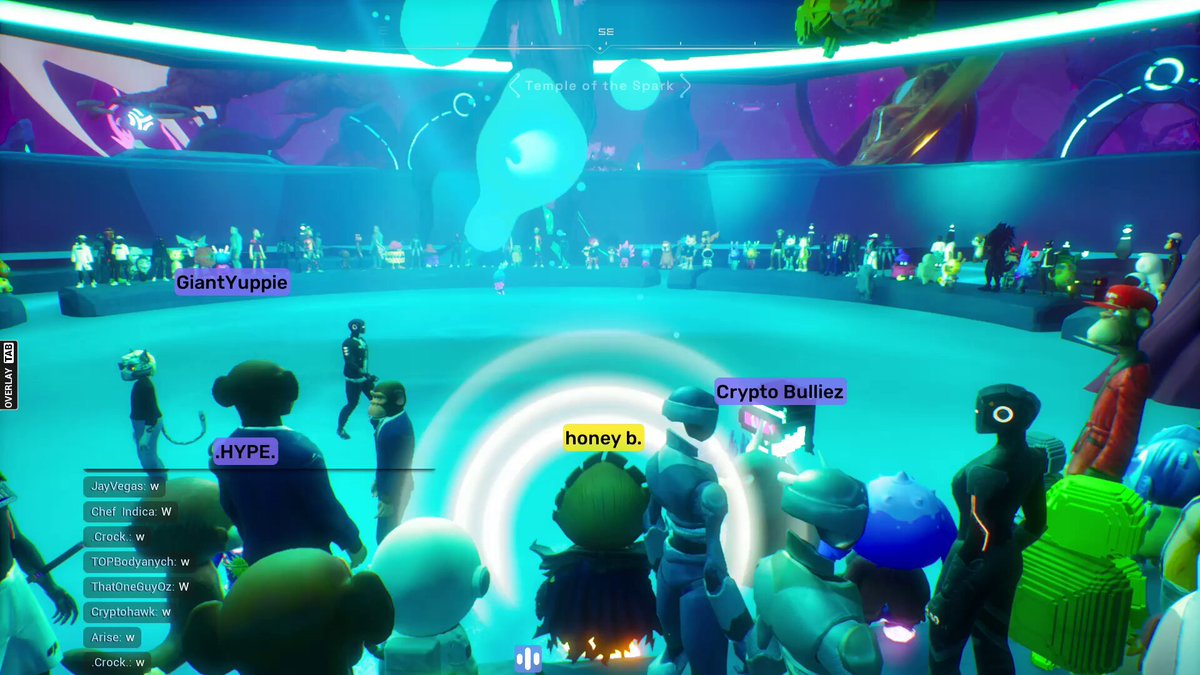
- Koda Nexus: A Browser-Based Social HubThe Koda Nexus serves as Otherside’s central gathering space, accessible directly via web browsers. Users can join with just an email, making NFTs optional for entry and lowering barriers for mainstream adoption.
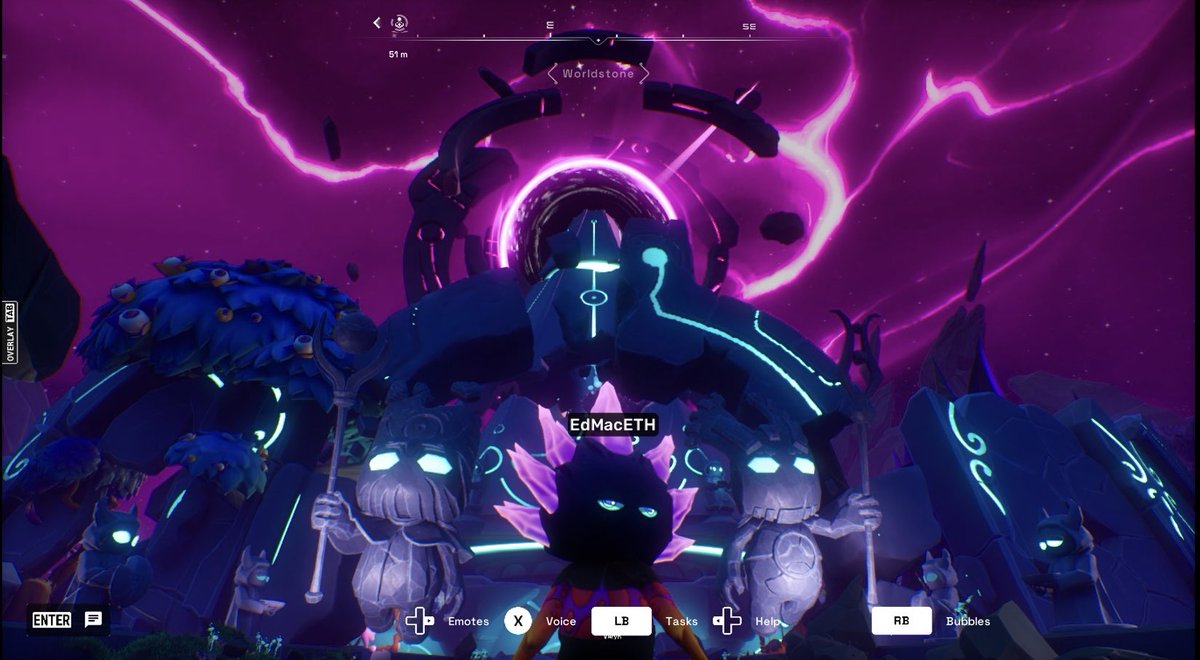
- AI-Powered Creation Tools: Otherside Development Kit (ODK)Yuga Labs introduced the Otherside Development Kit (ODK) in June 2025, featuring AI-driven tools that empower users to build and publish 3D game content, quests, and experiences within the metaverse.
- Wallet-Optional OnboardingOtherside’s onboarding process allows users to participate using just an email address, making crypto wallets and NFTs optional. This approach opens the metaverse to a broader, non-crypto-native audience.
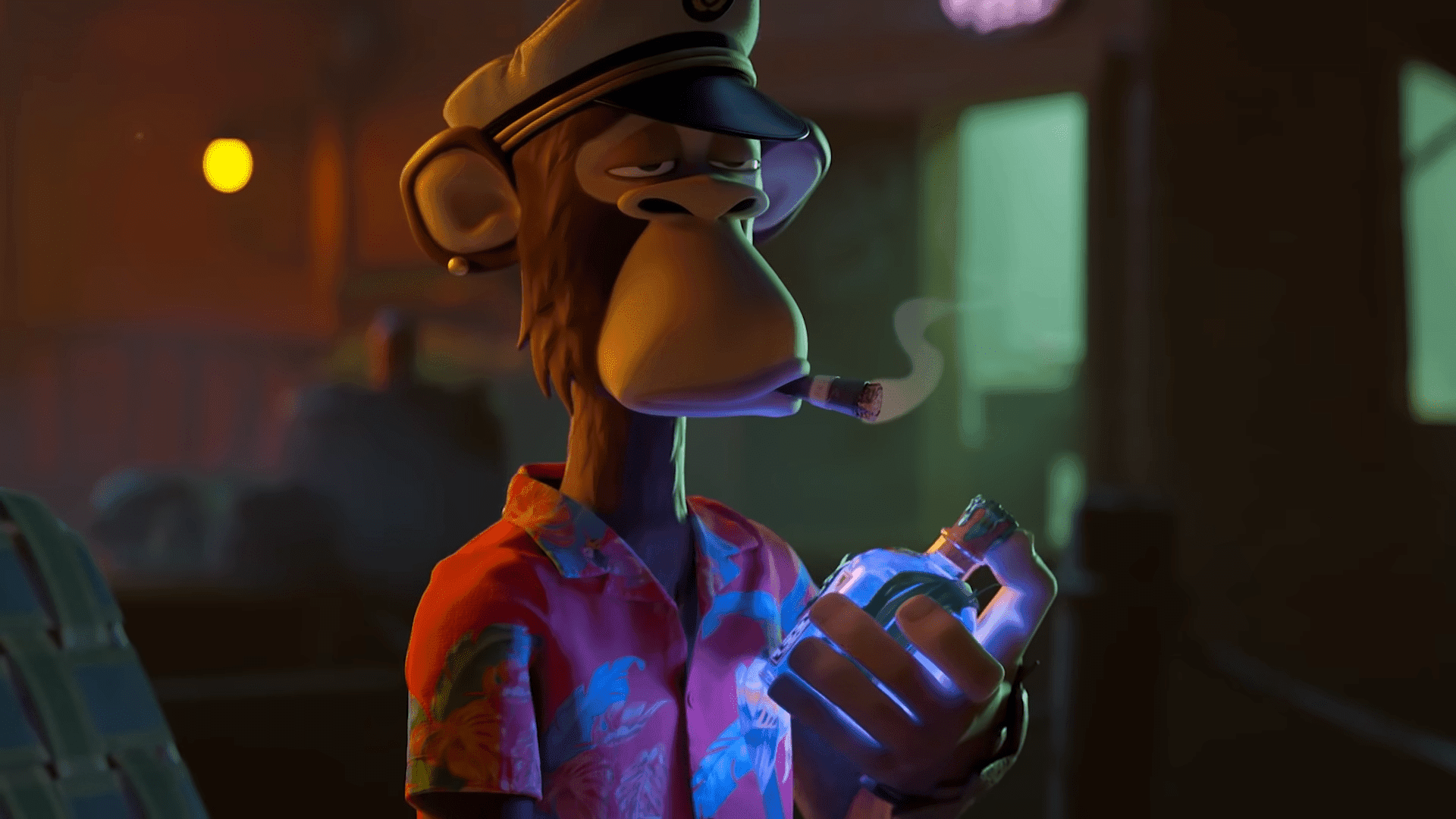
- Branded Avatar Drops: Boximus Voyager with AmazonIn partnership with Amazon, Yuga Labs launched the Boximus Voyager—a limited-edition, co-branded avatar. The drop sold out in 24 hours, highlighting strong demand for branded digital assets in gaming.
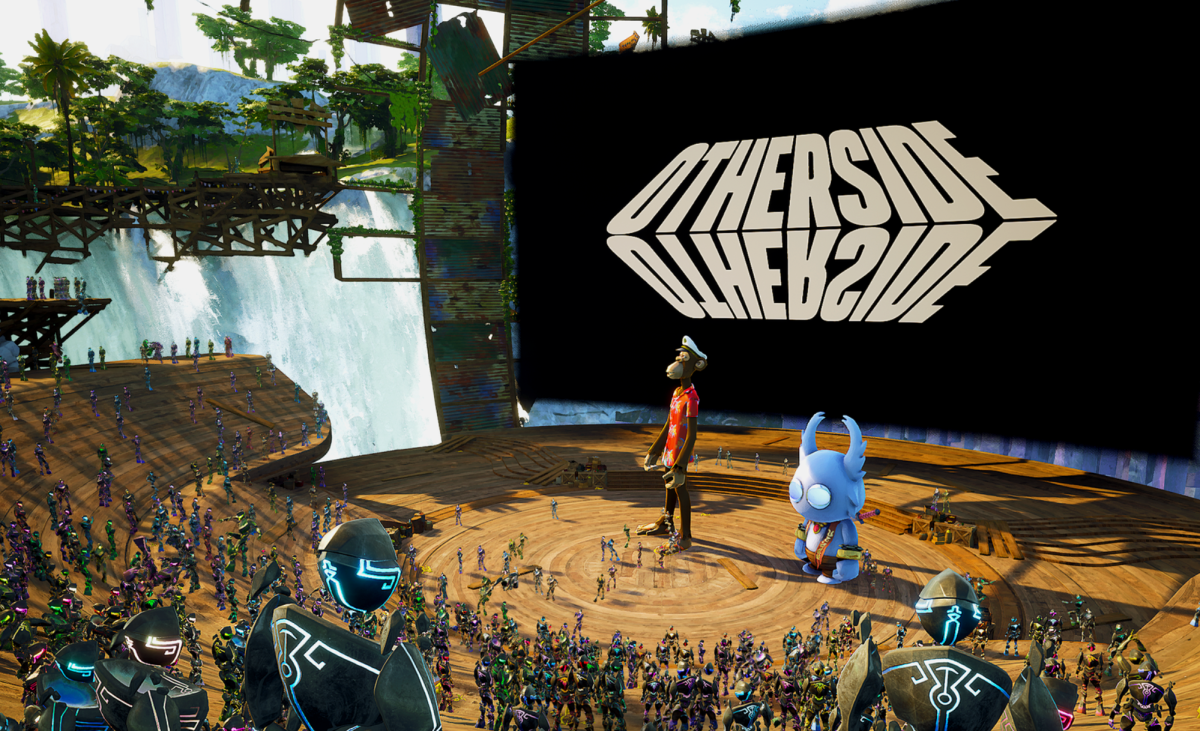
- Community-Driven Events and ContentOtherside’s layered structure enables both Yuga Labs and independent creators to host quests, battles, and social events, fostering an active, community-driven ecosystem.
This approach also addresses skepticism around blockchain gaming by making NFTs additive rather than mandatory. Players who simply want to explore or socialize can do so without ever buying an asset; those who crave deeper involvement or wish to speculate on rare drops like Boximus Voyagers can opt in when ready.
It’s worth noting that this shift comes at a time when Amazon itself is showing steady stock price performance, currently at $222.69. This stability bodes well for long-term investments in digital entertainment infrastructure and signals institutional confidence in hybrid models blending Web2 reach with Web3 innovation.
Looking Ahead: Will Mainstream Adoption Stick?
The real test for projects like Otherside will be whether they can sustain engagement beyond initial hype cycles. Early metrics are promising: sold-out avatar drops, rapid community formation within Koda Nexus, and growing interest from traditional gamers intrigued by asset customization without crypto hurdles.
If Yuga Labs and Amazon Games succeed in keeping creators engaged via robust tooling, and if ongoing updates continue to prioritize accessibility, the NFT gaming comeback of 2025 could mark a durable turning point for the industry as a whole.
For more on how this partnership is shaping the future of virtual economies, and what it means for both gamers and builders, check out our deep dive here.

No comments yet. Be the first to share your thoughts!